The Chosen One: Maresca Set to Succeed Guardiola at Man City
Manchester City turn to Guardiola's former assistant Enzo Maresca as the post-Pep era begins at the Etihad.
The Heir Apparent
There's a particular kind of pressure that comes with following a legend. Not replacing them, because you can't replace what Pep Guardiola built at Manchester City. But inheriting the empire he constructed, brick by tactical brick, across eight transformative years.
Enzo Maresca knows that weight better than most candidates ever could. He lived inside Guardiola's machine. He studied the blueprints from the inside. And now, Manchester City are closing in on appointing the Italian as the man to carry the club into its next chapter.
This isn't an outsider parachuting in from a different footballing philosophy. This is a disciple returning home.
A Career Fored in the Guardiola School
Maresca's connection to the Etihad runs deeper than a line on his CV. He served as part of Guardiola's first-team coaching setup at Manchester City, absorbing the positional play, the relentless pressing triggers, the maniacal attention to spatial geometry that defined a dynasty.
But Maresca didn't simply orbit Guardiola's brilliance. He built his own body of work.
His first serious managerial appointment came at Parma in Serie B, where he took charge of a historic club navigating the turbulence of lower-division Italian football. The results were mixed, the environment unforgiving, and the education invaluable. Serie B doesn't hand out diplomas for style points. You survive, or you don't.
Maresca survived. And then he thrived.
The Leicester Chapter
The move to Leicester City in 2023 was the appointment that put Maresca on the map as a serious managerial prospect. The Foxes, relegated from the Premier League and licking their wounds, needed direction. They needed identity. They needed someone who could install a playing philosophy from scratch and execute it ruthlessly.
Maresca delivered.
He guided Leicester to the Championship title, playing a brand of football that was unmistakably Guardiola-adjacent: high possession, structured build-up, inverted fullbacks, a refusal to abandon principles even when results temporarily soured. The numbers backed up the eye test. Leicester dominated possession metrics, ranked among the league's elite in progressive passes, and created chances at a clip that made their promotion feel less like a scramble and more like an inevitability.
What the Numbers Said
- Leicester averaged 62.3% possession across the Championship season under Maresca
- The Foxes completed more passes per match than any other second-tier side
- 97 points en route to the title, with a goal difference that dwarfed their rivals
- Promotion sealed with two games to spare
That kind of dominance doesn't happen by accident. It happens when a manager has a clear vision and the authority to demand compliance.
Why Maresca, Why Now
The real question isn't whether Maresca is a good coach. He's proven that beyond reasonable doubt. The question is whether Manchester City, a club that has operated at the absolute summit of European football, can transition from Guardiola's singular genius to a successor who shares DNA but carries his own fingerprint.
City's hierarchy, led by the football operations structure that Txiki Begiristain built and Hugo Viana now oversees, have clearly decided that continuity of philosophy outweighs the allure of a glamour appointment. They looked inside their own ecosystem, at someone who speaks the language, who understands the academy pipeline, who knows what the Etihad dressing room demands.
The logic is seductive. Don't reinvent the wheel. Hand it to someone who helped build it.
There's precedent for this approach working. Guardiola himself was a Barcelona B manager before inheriting the first team from Frank Rijkaard. Johan Cruyff's coaching tree has produced more successful successors than almost any other lineage in football history. Maresca fits that mold: a coach steeped in a specific school of thought, groomed for this exact scenario.
Transfer Intel: The Contract Architecture
While the specifics of Maresca's deal remain under wraps, the structure of a managerial appointment at this level typically involves several moving parts:
- A multi-year contract, likely three to four seasons, reflecting the club's desire for long-term stability
- Performance-based bonuses tied to Champions League qualification, domestic trophies, and Premier League title challenges
- Potential compensation owed to Leicester City, depending on the contractual framework of Maresca's existing deal at the King Power Stadium
- Full authority over coaching staff appointments, though City will expect at least some continuity in the backroom structure
The financial implications extend beyond wages. City are investing in a project, not a patch job. The transfer budget, the youth development pipeline, the scouting network, all of it will be calibrated to Maresca's tactical preferences from day one.
The Guardiola Void
Let's not sugarcoat what Maresca is walking into. Guardiola didn't just win at Manchester City. He redefined what winning looked like.
Six Premier League titles. A historic treble in 2022-23 that included the Champions League trophy City had chased for over a decade. A style of football so dominant that opposing managers spent entire press conferences explaining how they planned merely to survive against it.
Guardiola's City didn't just beat teams. They made elite coaches doubt their own philosophies.
Maresca inherits the squad, the facilities, the financial muscle, and the institutional knowledge. But he also inherits the expectation that all of that produces the same output. The fans at the Etihad have tasted the peak. They won't accept a step back, even a temporary one, without scrutiny.
The Tactical Blueprint
Those who watched Maresca's Leicester closely will recognize the hallmarks. Patient build-up from the back. Fullbacks who tuck inside to create midfield overloads. Wingers who stretch the width before cutting inside to combine. A single pivot who dictates tempo like a metronome.
It's Guardiola's language, spoken with a slight Italian accent.
But Maresca will need to evolve. The Premier League is a different beast from the Championship. Manchester City's squad contains players who have won everything, multiple times. Managing egos, distributing minutes across a congested fixture calendar, making the brutal selection decisions that cost friendships, those are the challenges no coaching course prepares you for.
Key Tactical Questions
- Will Maresca maintain the inverted fullback system that defined Guardiola's later years at City, or will he adapt it?
- How does he handle the Rodri dependency that exposed City's midfield fragility when the Ballon d'Or winner was absent?
- Can he integrate the academy talents that City's development pathway produces at an elite rate?
- Does his style allow for the direct, transitional moments that Champions League knockout football occasionally demands?
Behind the Deal: The Political Calculation
Manchester City's ownership group, City Football Group, thinks in decades, not transfer windows. The Maresca appointment signals a broader strategic commitment to a playing identity that transcends any single manager.
CFG's global network, spanning clubs on multiple continents, has always operated on the principle that football philosophy should be standardized from the top down. Maresca's appointment reinforces that. He's not a maverick who will tear up the playbook. He's a continuation of the project, wrapped in a new voice and a new face.
There's also the matter of Financial Fair Play scrutiny. City are navigating ongoing Premier League charges related to alleged financial breaches. Stability in the dugout, a manager who doesn't demand a squad overhaul on day one, that has tangible value when the club's off-field battles are as intense as anything on the pitch.
The Reaction
The football world will split into predictable camps. The purists will celebrate a commitment to continuity and coaching meritocracy. The skeptics will question whether anyone can fill Guardiola's shoes, whether this is romanticism dressed up as strategy.
Inside the City dressing room, the response is what matters most. Players who have operated at the highest level for years don't need to be dazzled. They need clarity, consistency, and a manager who commands respect through preparation, not reputation.
Maresca has earned that respect at every stop. Whether he can maintain it at the most demanding club in English football is the only question that truly matters.
What Comes Next
The timeline is critical. If Maresca is confirmed before the summer transfer window opens, he'll have the chance to shape the squad to his specifications. Players returning from loan, academy graduates on the cusp of first-team integration, potential incomings who fit the tactical profile, all of it hinges on the manager being in place early.
The 2025-26 season will be a referendum on the appointment. Not the first month, not the first stumble, but the arc of the campaign. Can Maresca keep City competing for the Premier League title? Can he navigate the Champions League group stage without the kind of early exits that even Guardiola occasionally suffered?
The answers won't come quickly. But the appointment itself tells you everything about where Manchester City believe the future lies: not in revolution, but in evolution. Not in a stranger, but in a son of the system.
Enzo Maresca is coming home. The only question now is whether home still feels the same without the man who built it.
Editorial Integrity
This is an original SportPulse article written by our editorial team. All content is independently researched, written, and reviewed by our writers and editors before publication. We do not publish copied, aggregated, or syndicated content.
SportPulse is committed to original sports journalism. Read our editorial policy or contact us with any questions.
More Like This
All football
2014 World Cup Brazil vs Germany: The 7-1 Shock That Defined a Generation
Ten years on, revisiting the 2014 World Cup semifinal where Germany humiliated Brazil 7-1 in Belo Horizonte.

Celtic's Dual Transfer Puzzle: Striker Hunt Heats Up as O'Neill Staffing Hits Snags
Celtic pursue striker Elias Filet while Martin O'Neill's backroom team assembly faces unexpected complications.
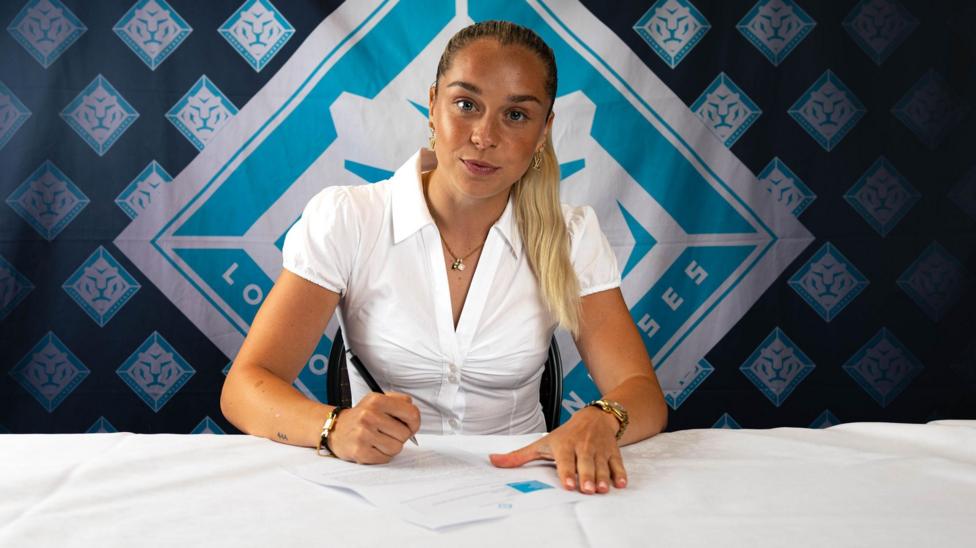
Pattinson's 2029 Commitment Makes London City a WSL Threat
Poppy Pattinson signing until 2029 isn't just roster retention; it's London City Lionesses drawing a line in the WSL sand.