Mates, Mate, and Messi: How Argentina Built a Team Around Genius
Argentina's secret to getting the best out of Lionel Messi has nothing to do with tactics — it's about mate, trust, and total freedom.
The Argentina Way
Lionel Messi walks into the Argentina changing room before a World Cup semi-final and the first thing he reaches for is not a tactical briefing, a phone, or a physio's table. It is a thermos, a gourd, and a steel straw. Mate, the bitter herbal infusion shared across the River Plate nations, is the Argentine ritual that binds. And for Messi, far from the isolating glare of global scrutiny, it is the heartbeat of a team that has finally learned how to love him.
But Messi is not the only mate in the room, and the squad is not built on a one-man cult. It is a collective organism, one that has been meticulously engineered to let its captain breathe, create, and detonate matches on his own terms. As Argentina prepare for the semi-final showdown with England, the story is not about whether Messi can carry a nation. The story is about how this group of men has finally made sure he does not have to.
The Recipe: Mates, Mate, and Freedom
The formula sounds deceptively simple. Mates: the shared drink, the communal pot, the ritual of sitting in a circle and passing the gourd from hand to hand. Mate: the word for friend, for brother, for the kind of teammate who will run through a wall for you. Freedom: the tactical and emotional space given to Messi to drop deep, drift right, walk when others sprint, and explode when the moment demands. Three elements, all interlocking, all essential.
The Argentina squad has been constructed with surgical intent. These are not the biggest names in European football. They are not the stars who dominate the Champions League highlights reel. They are the workers, the enforcers, the relentless runners who understand that their job is to win the ball, give it to Messi, and then get out of his way. It is not a concession to ego. It is a recognition of reality.
Every player in that room knows their role with absolute clarity. There is no ambiguity, no jostling for the spotlight. The midfield is built to cover ground, the defense to absorb pressure, and the attack to finish the moves that Messi conjures. The culture is one of service, but it is not servile. These men are not minders. They are equals who happen to share a common purpose: maximizing the greatest player of his generation while the opportunity still exists.
The Tactical Architecture
What does freedom actually mean on a pitch? For Messi, it means the absence of rigid positional structure. He is not pinned to the right wing as he was in his Barcelona prime. He is not a false nine tethered to the central channel. He roams. He drops into midfield to collect the ball, sometimes even into his own half. He walks. The casual observer sees a player strolling. The analyst sees a predator scanning for space, exhausting markers, and biding time.
The pressing question for any opponent is simple and terrifying: who marks him? If a defender follows Messi deep, he drags that defender out of the defensive line and creates behind for others. If the defender stays, Messi receives the ball with time and space, and that is the most dangerous sight in football. England's coaching staff has spent weeks on this puzzle. The answer is that there is no clean answer.
Argentina's midfielders and fullbacks are drilled to cover the zones Messi vacates. When he drifts left, the right-back tucks inside. When he drops deep, a midfielder pushes forward to occupy the space between the lines. The team shape is not rigid. It is fluid. The entire structure breathes around Messi.
Statistically the picture is staggering. In the quarter-final victory, Messi covered less ground than any outfield player on the pitch. He registered one goal, two chances created, and four completed dribbles. The output is concentrated in devastating bursts. The walking is not lethargy. It is load management in real time, preserving energy for the five seconds that decide a match.
The Brotherhood Behind the Genius

Walk into the Argentina dressing room an hour before kick-off and the scene is unchanged from the team hotel. Players sit in clusters, thermos flasks steaming, mate gourds circulating. There is no tension in the silence. There is warmth. Javier Mascherano, the spiritual godfather of this generation, used to say that the strength of the team was in the circle. The circle of mate drinkers. The circle of trust. The circle of brothers.
That culture has been deliberately cultivated. carefully protected, and ruthlessly enforced. Any player who disrupts the harmony is quietly moved aside. The squad is not selected on reputation alone. It is selected on temperament, on willingness to subordinate individual ambition to the collective cause. There is a reason why certain high-profile names have been left at home while lesser-known figures populate the bench. They fit the room. They share the mate. They run for Messi.
The psychological dimension is crucial. Messi has carried the weight of Argentine expectation for over a decade. The quarter-final-goal against a stubborn opponent was not just a piece of individual brilliance. It was a release valve for an entire nation. The weight lifted from his shoulders as he streaked behind the defensive line and finished with his trusted left foot was visible in the celebration. He ran to the bench. He ran to the substitutes. He ran to the kit men and the doctors. They are all part of the inner circle.
The Semi-Final Stage is Set
Argentina face England in the semi-final with a squad that is unified, purposeful, and unburdened by the demons of past failures. The contrast with previous tournaments is stark. In 2014, Messi dragged a fractured team to the final on willpower alone. In 2018, the campaign collapsed under the weight of tactical confusion and internal discord. This time, the architecture is different. The team is not leaning on Messi. It is lifting him.
England present a different challenge. They are young, athletic, and tactically disciplined in a way that few Argentina opponents have been in this tournament. Their midfield is built to press aggressively. Their back three is designed to stay compact and deny space in the channels. The question for England is whether they can press Messi without leaving gaps behind. The question for Argentina is whether the supporting cast can punish England if they commit bodies to the captain.
We have a group that would die for each other, and when you have that, everything becomes easier. The talent is there, but the heart is what makes the difference. — Messi, Argentina captain
The battle lines are drawn. England's pressing structure against Argentina's freemarkets. England's collective athleticism against Messi's individual genius. The mate circle against the St George's cross.
What It Means
The semi-final is not just a match. It is the culmination of a deliberate, multi-year project to build a team around a singular talent without reducing that team to a one-man show. The mates, the mate, and the freedom approach represents a philosophy that other national teams will study and attempt to replicate. Whether Argentina advance to the final or not, the blueprint is established.
For Messi, the stakes are existential. A World Cup semi-final against England is a career-defining fixture. The winner moves to within one match of immortality. The loser carries the regret forever. But for the first time in his international career, Messi does not carry that weight alone. He carries it with a brotherhood. The gourd has been passed. The stage is set. The genius has been given the only thing he ever needed: a team worthy of him.
Editorial Integrity
This is an original SportPulse article written by our editorial team. All content is independently researched, written, and reviewed by our writers and editors before publication. We do not publish copied, aggregated, or syndicated content.
SportPulse is committed to original sports journalism. Read our editorial policy or contact us with any questions.
More Like This
All football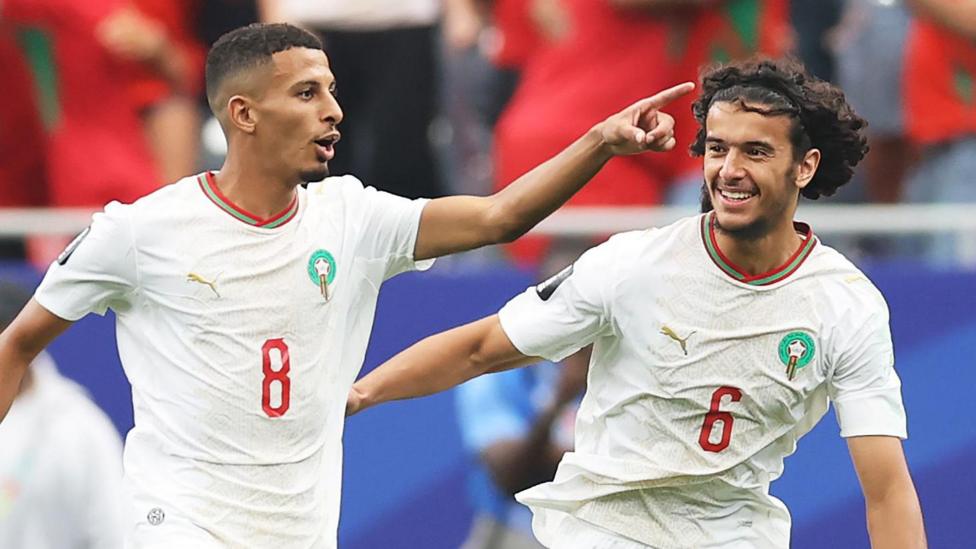
Morocco's 34-Match Unbeaten Run Is No Fairytale
Thirty-four matches unbeaten, a last-eight berth secured: Morocco's World Cup campaign is built on tactical discipline, not luck.

England's Shaky Defence Can't Hide Behind Bellingham's Brilliance
Bellingham bailed out a porous England backline against Panama, but tougher tests loom and Declan Rice's absence is glaring.
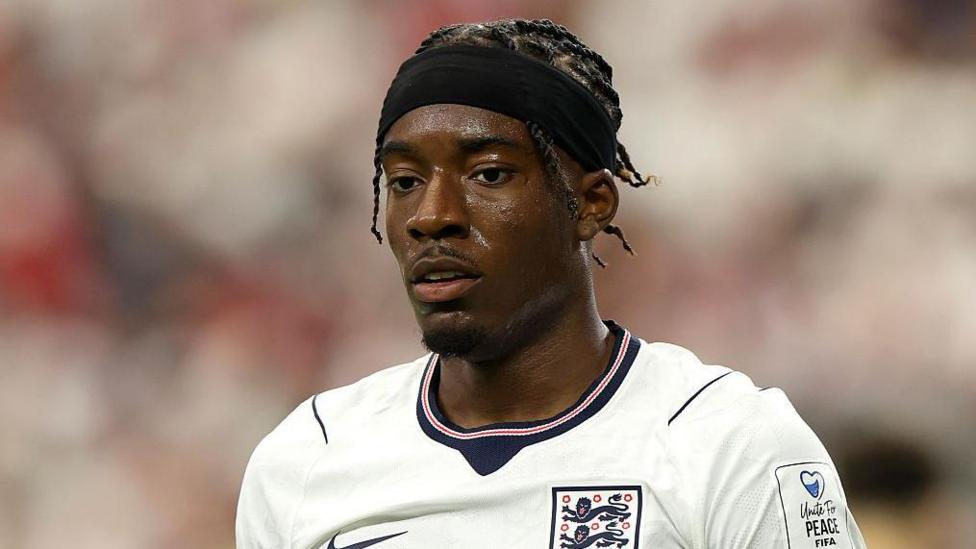
Madueke's Stunning Arc: From Arsenal Fan Protest to World Cup Starter
Noni Madueke silenced doubters who petitioned against his Arsenal move by becoming an England World Cup starter.