Mbappé and Olise Forge a France Attack No One Can Stop
France dismantled Sweden in a World Cup masterclass powered by Mbappé's ruthless finishing and Olise's breathtaking creativity.
The Statement No One Wanted to Hear
There are performances that announce a team's intentions, and then there are performances that render the entire tournament conversation moot. France's demolition of Sweden in the last 32 at the New York-New Jersey stadium was firmly in the latter category. This wasn't just a win. It was a declaration, delivered with the kind of attacking fluency that forces every remaining side in the draw to recalibrate their ambitions.
Kylian Mbappé scored twice, drawing level with Lionel Messi in the race for the Golden Boot, but the story of this match ran deeper than one man's finishing. Michael Olise, operating with the freedom of a player who has realized exactly how good he is, produced a display so commanding that two assists and what should have been a hat-trick barely scratch the surface of his influence. Sweden are not pushovers. They arrived in the knockout rounds organized, disciplined, and battle-tested. None of it mattered.
Mbappé's Finishing Reaches a Different Plane
The conversation around Mbappé at this World Cup has shifted from expectation to inevitability. His brace against Sweden brought his tournament tally level with Messi's, but the nature of the goals is what separates him from the pack right now. Both finishes were clinical, unerring in their placement and timing, the kind of strikes that reflect a striker operating at peak confidence.
What's changed since his earlier career tournaments is the economy of his movement. The Mbappé of Qatar 2022 was explosive but occasionally wasteful, relying on raw pace to manufacture chances. This version is different. His positioning inside the box has become more refined, his decision-making sharper. He's not just running at defenders anymore. He's reading the game two passes ahead, drifting into pockets of space that shouldn't exist, and finishing with the cold precision of a player who knows exactly where the net is before the ball arrives.
The Golden Boot race now sees him locked with Messi on identical tallies, and the trajectory suggests Mbappé will pull clear. France's remaining fixtures, assuming they continue advancing, will offer him further opportunities against increasingly stretched defenses. If there was ever a tournament where he was going to claim the individual prize outright, this feels like it.
Michael Olise: The Architect France Didn't Know They Needed
Here's the thing about Olise's performance against Sweden that the raw numbers don't capture: he made everyone around him better. Two assists is a tidy stat line, but the reality was far more dominant. He should have had a hat-trick himself, spurning chances that his overall play thoroughly deserved to convert. He was the gravitational center of France's attacking play, pulling Swedish defenders into uncomfortable positions and creating the very spaces Mbappé exploited.
Since his move to Bayern Munich from Crystal Palace, Olise has undergone a tactical evolution that Deschamps is now reaping the benefits of. At Palace, he was a winger defined by his dribbling and set-piece delivery. At Bayern, under the pressure of Champions League football and a more structured positional system, he's added layers to his game. His pressing is more intelligent. His understanding of when to drift centrally versus hugging the touchline has matured. Against Sweden, he played like a man who has spent two years being forged in elite-level football and is now ready to dominate on the biggest stage.
The New York-New Jersey stadium crowd, largely a mix of French and neutral supporters, was audibly stunned by the quality of his play. That's the mark of a performance that transcends the scoreboard. Olise didn't just contribute to France's victory. He orchestrated it.
Deschamps' System Is Clicking at the Perfect Time
For years, the criticism of Didier Deschamps has been consistent: he's too conservative, too pragmatic, too willing to sacrifice attacking flair for structural solidity. That narrative is dying in real time. This France side is playing with an attacking verve that feels almost un-Deschamps-like, yet the defensive discipline hasn't dropped. It's the balance every international manager dreams of, and it's arriving precisely when it matters most.
The tactical shape against Sweden was a masterclass in controlled aggression. France pressed high when the moment was right, recovered the ball quickly when they lost it, and transitioned with devastating speed. Sweden managed possession in spells but created almost nothing of genuine danger. France's defensive structure absorbed pressure without panic, then launched counters that felt more like coordinated strikes than opportunistic breaks.
What makes this iteration of Les Bleus particularly frightening is the depth of attacking talent Deschamps can deploy. Mbappé and Olise are the headline acts, but the supporting cast is rich. Ousmane Dembélé provides pace and unpredictability from wide areas. The midfield balances creativity with physicality. Even the bench offers genuine game-changers rather than mere squad fillers. This is not a team carried by two stars. It's a system that elevates its best players while remaining structurally sound when they rotate out.
The Verdict
France's 2026 World Cup campaign is beginning to resemble the 2018 run in terms of momentum and inevitability. They're not just winning. They're winning beautifully, and they're winning against decent opposition without needing to shift into a higher gear. The question for every other team in this tournament isn't whether France can be stopped. It's whether anyone has the tactical blueprint to even slow them down.
What Sweden Got Wrong
Credit where it's due: Sweden came into this match with a clear plan. They sat in a compact mid-block, tried to limit the space between the lines, and looked to hit France on transitions. On paper, it's not a bad strategy against a team with France's attacking quality. The problem was execution.
Sweden's pressing triggers were too slow. By the time they committed to closing down Olise or the French midfield playmakers, the ball had already moved into dangerous areas. Their defensive transitions were equally sluggish, leaving gaps between the backline and midfield that Mbappé exploited ruthlessly. It was a performance that looked organized until the moment it mattered, at which point the structural weaknesses were laid bare.
There's no shame in losing to this France side, but Sweden will look back at this match and rue the moments where they switched off. Against a team this clinical, even brief lapses are terminal.
The Golden Boot Race Heats Up
The Mbappé-Messi duel for the Golden Boot is shaping up to be one of the tournament's defining subplots. Both players are now level, but their paths to this point have been markedly different. Messi has relied on guile, positioning, and the kind of instinctive finishing that only comes with decades of elite experience. Mbappé has combined explosive athleticism with a newfound composure in front of goal.
If France continue to advance, Mbappé's path to the prize looks more straightforward. Argentina's route through the draw is arguably tougher, and Messi's workload management has been a quiet concern throughout the group stage. Mbappé, by contrast, looks fresh, hungry, and capable of scoring in every remaining match.
The Bottom Line
The Golden Boot race is Mbappé's to lose. His combination of volume, quality, and the supporting cast around him gives him an edge that Messi, for all his genius, may struggle to match as the tournament wears on.
What's Next for France?
The bracket ahead offers no easy matches, but France's form suggests they won't need easy matches. Their next opponents will have watched this performance and understood a fundamental truth: sitting deep doesn't work because France's creators will find space. Pressing high doesn't work because France's pace on the counter is lethal. There is no obvious tactical solution, and that's the most terrifying thing about this team.
Deschamps has spent years being labeled a pragmatist. This tournament is his rebuttal, delivered not with words but with football of the highest order. If France maintain this level, the trophy isn't just a possibility. It's a probability.
"It's the sort of thing that only comes into true focus upon reflection." The beauty of France's goals against Sweden was difficult to appreciate in real time. The broader implications of this performance, however, are impossible to miss.
Editorial Integrity
This is an original SportPulse article written by our editorial team. All content is independently researched, written, and reviewed by our writers and editors before publication. We do not publish copied, aggregated, or syndicated content.
SportPulse is committed to original sports journalism. Read our editorial policy or contact us with any questions.
More Like This
All football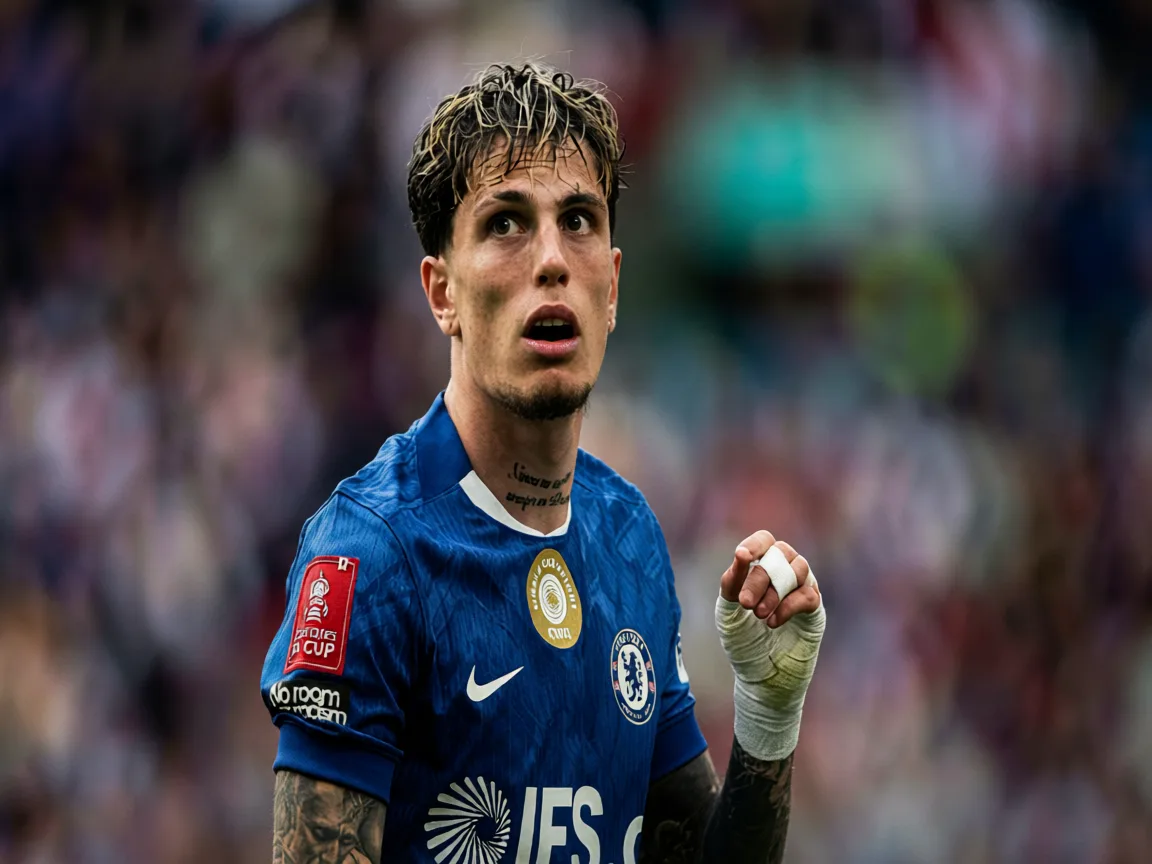
Villa open talks with Chelsea over Garnacho loan and obligation deal
Aston Villa target Chelsea winger Alejandro Garnacho on loan with an obligation to buy as Emery reshapes his attack.
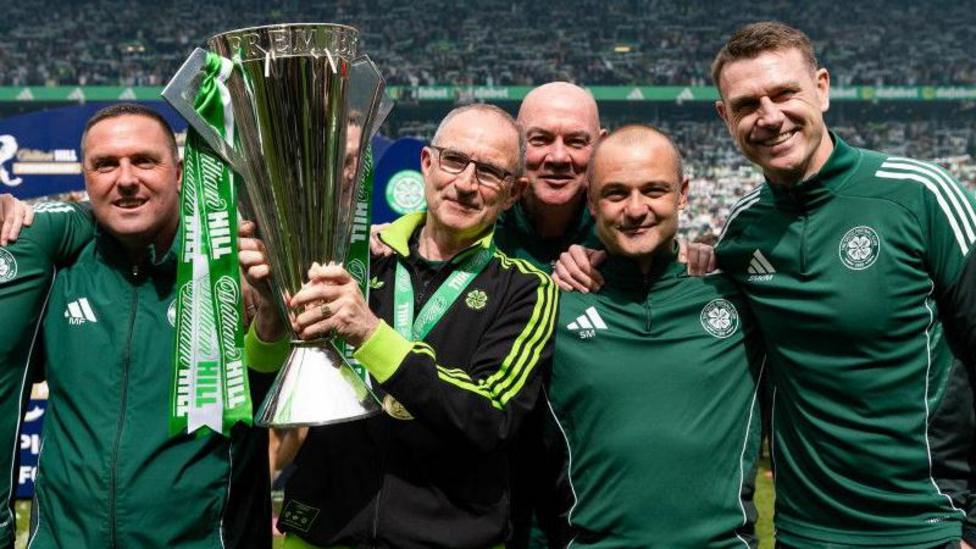
O'Neill Secures Backroom Continuity as Celtic Bet on Tactical Cohesion
Celtic retain O'Neill's trusted trio to safeguard their tactical philosophy and drive domestic dominance into the new season.
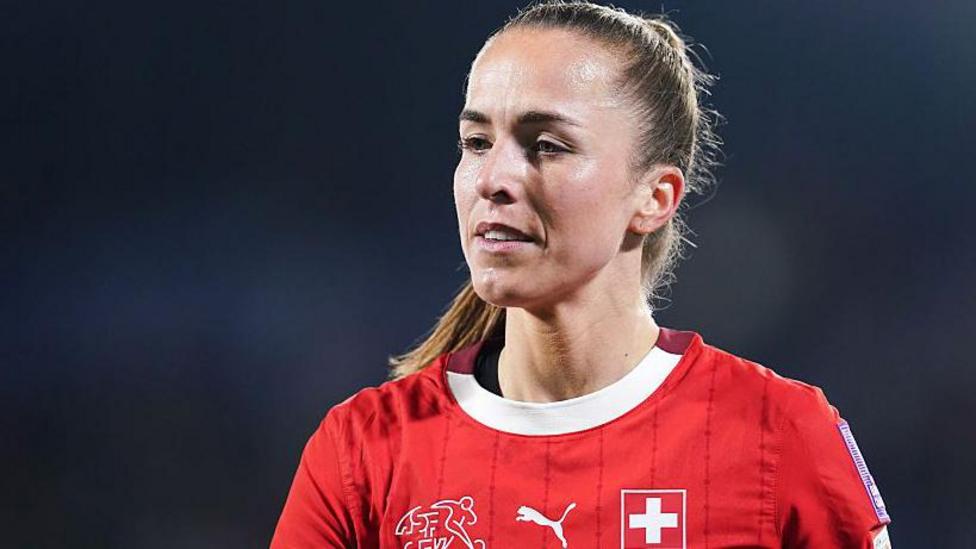
Lia Walti Nears Brighton Move: The Swiss Anchor Set to Redefine WSL's Engine Room
Brighton's advanced talks for Juve's Lia Walti signal a major strategic shift toward veteran leadership and European know-how.