McIlroy Calls Out DeChambeau: Penalty Drama Shakes The Open
Rory McIlroy slams Bryson DeChambeau's penalty protest as performative after a rules row delays third-round tee times at The Open.
The 2026 Open Championship was supposed to be a celebration of links golf at its purest. Instead, the second round devolved into a procedural standoff that delayed the release of third-round tee times. At the center of the storm: Bryson DeChambeau, his two-stroke penalty, and a post-round protest that Rory McIlroy has decisively characterised as performative theatre.
McIlroy, a Voice of the game's establishment, did not mince words. He described DeChambeau's behaviour as "performative" and "for attention" after the American's extended discussions with tournament officials disrupted the tournament's operational flow.
"I'm not particularly fond of DeChambeau."
That quote,简洁 and unambiguous, cuts to the heart of a rivalry that has simmered beneath golf's polite surface for years.
The Penalty Incident: Anatomy of a Rules Dispute
Details of the specific infraction remain the subject of intense discussion, but the structural damage was clear. DeChambeau received a two-stroke penalty during the second round. Rather than accept the ruling and move on, he engaged in prolonged dialogue with officials.
The consequences were operational and tangible. The release of third-round tee times was delayed, creating a knock-on effect that disrupted preparation rhythms for the entire field.
What Actually Happened
- DeChambeau incurred a two-stroke penalty during Round 2
His subsequent discussions with officials were extended and contentious
Third-round tee time release was delayed as a direct result
McIlroy broke the unwritten code of omertà by publicly criticising a peer
In golf's ecosystem, where rules disputes are typically handled with whispered diplomacy, McIlroy's decision to speak openly represents a significant rupture.
The Philosophical Divide: Two Visions of Golf
Beyond the specific incident, this confrontation exposes a deeper fault line in professional golf. DeChambeau and McIlroy represent fundamentally opposed philosophies about the sport's identity.
DeChambeau has built his career on challenging conventions: the single-plane swing, aggressive distance optimisation, and an approach that treats every rule as an equation to be solved or contested. His methodology is not merely about scoring low. It is about asserting intellectual dominance over a game that, traditionally, demands submission to its traditions.
McIlroy, by contrast, embodies the classical ideal. His game flows from natural talent and feel, shaped by the same links-land traditions that The Open itself celebrates. When he calls DeChambeau "performative," he is not merely describing one incident. He is indicting an entire approach to the sport.
Why McIlroy Spoke Out
The decision to publicly criticise a fellow competitor is rare in golf's culture of enforced politeness. McIlroy's willingness to do so signals several things at once.
First, the delay caused by DeChambeau's protest was not a victimless inconvenience. Every player in the field had their preparation schedule disrupted.
Second, McIlroy's status within the game affords him a platform. He chose to use it, knowing the headlines would follow.
Third, and perhaps most significantly, this was a deliberate escalation. McIlroy did not stumble into this criticism. He chose his words with the precision of a mid-iron approach.
The Broader Context
The 2026 Open Championship sits at an interesting juncture in professional golf. The game has weathered the LIV Golf schism, the PGA Tour's strategic repositioning, and an ongoing conversation about technology, distance, and the soul of the sport.
DeChambeau has been at the nexus of nearly all these tensions. His scientific approach to distance has made him a polarising figure. His departure for LIV Golf placed him on the opposite side of the divide from McIlroy, who became one of the PGA Tour's most visible defenders.
The Numbers Behind the Rivalry
- Both players have won multiple major championships
Their head-to-head record in major championships has produced compelling theatre
Their approaches to the game represent fundamentally different philosophies
This Open Championship incident adds another layer to an evolving dynamic
The Performative Question
McIlroy's choice of the word "performative" is worth unpacking. It suggests that DeChambeau's protest was not a genuine pursuit of justice but a calculated display.
There is a strategic logic to such behaviour. By challenging officials publicly and at length, a player creates a narrative of victimisation. Fans who already view golf's governing bodies with suspicion may rally to the cause. The delay itself becomes part of the story.
McIlroy saw through this. His response was to strip away the pretence and label it for what he believes it was: attention-seeking behaviour dressed up as principle.
What This Means for The Open
The 2026 Open Championship will now be remembered not just for the golf but for this confrontation. That is both a loss and a gain for the tournament.
It is a loss because The Open's tradition of quiet, dignified competition has been interrupted by controversy. The Championship's identity is built on the idea that the course and the elements are the story. Personality disputes are supposed to remain secondary.
It is a gain because the rivalry adds narrative spice. Golf needs compelling storylines to maintain audience engagement in an increasingly crowded sporting landscape. McIlroy versus DeChambeau is box office.
The Institutional Response
The R&A, organisers of The Open, now faces questions about its procedures. A single player's protest should not be able to delay the release of tee times for the entire field.
There may need to be a review of how rules disputes are handled. The balance between a player's right to contest a ruling and the tournament's operational integrity must be addressed.
McIlroy's public intervention may accelerate this conversation. By naming the problem, he has forced golf's administrators to confront it.
Looking Ahead: The Weekend's Narrative
As the Championship moves to its weekend rounds, the McIlroy-DeChambeau dynamic will dominate media coverage regardless of the leaderboard. Every shot, every ruling, every interaction between the two will be scrutinised.
Tactical Shift: When Procedure Becomes Psychology
The realignment here is not tactical in the traditional sense. It is psychological and procedural. DeChambeau's extended protest served a dual purpose: it contested a specific ruling and it disrupted the tournament's rhythm.
In professional golf, preparation routine is sacred. Players calibrate their entire day around known tee times. By delaying that information, DeChambeau, intentionally or not, gained a form of competitive leverage. If the field does not know when it is playing, preparation becomes reactive rather than proactive.
McIlroy's response, calling out the behaviour publicly, is itself a form of competitive adjustment. Rather than allowing the disruption to fester unchallenged, he reframed the narrative. The delay was no longer an administrative issue. It was, in McIlroy's framing, a deliberate act of gamesmanship.
This is the tactical shift that matters: the battle for interpretive control of the narrative. McIlroy did not merely disagree with DeChambeau's protest. He defined it, publicly and permanently, as performance rather than principle.
The Final Round Approaches
The coming days will reveal whether this confrontation inspires or distracts. McIlroy has staked his claim to being the defender of golf's traditional values. DeChambeau will likely continue to push boundaries, both technical and procedural.
The 2026 Open Championship may ultimately be decided by who handles the wind, the bunkers, and the pressure best. But regardless of the winner, this tournament will be remembered as the moment when two of the game's biggest personalities stopped pretending to tolerate each other.
The tee times will eventually be released. The golf will resume. The rivalry, however, is just getting started.
Editorial Integrity
This is an original SportPulse article written by our editorial team. All content is independently researched, written, and reviewed by our writers and editors before publication. We do not publish copied, aggregated, or syndicated content.
SportPulse is committed to original sports journalism. Read our editorial policy or contact us with any questions.
More Like This
All long-reads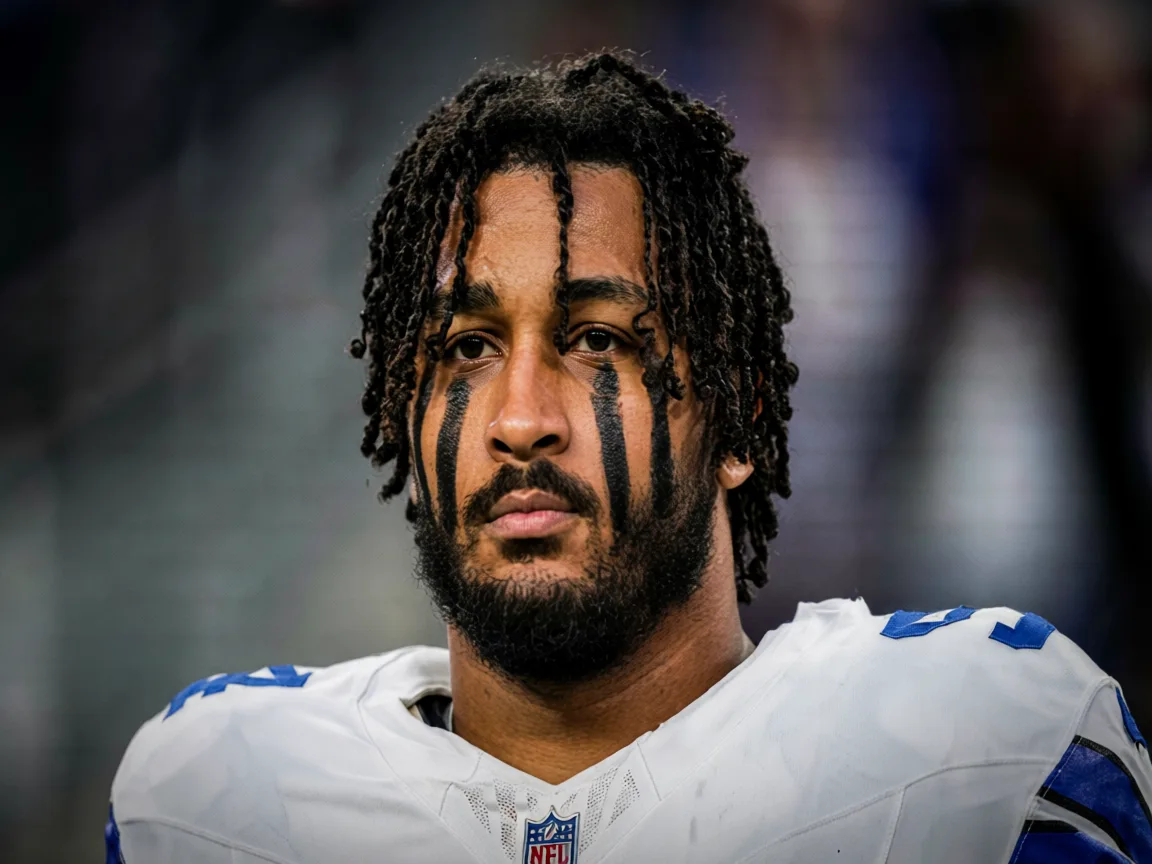
CTE极其危险的沉默:NFL的问责危机再升级
Marshawn Kneeland的尸检结果将球场上的头部撞击与毁灭性的脑部疾病直接联系起来,再次暴露了NFL的系统性失败。
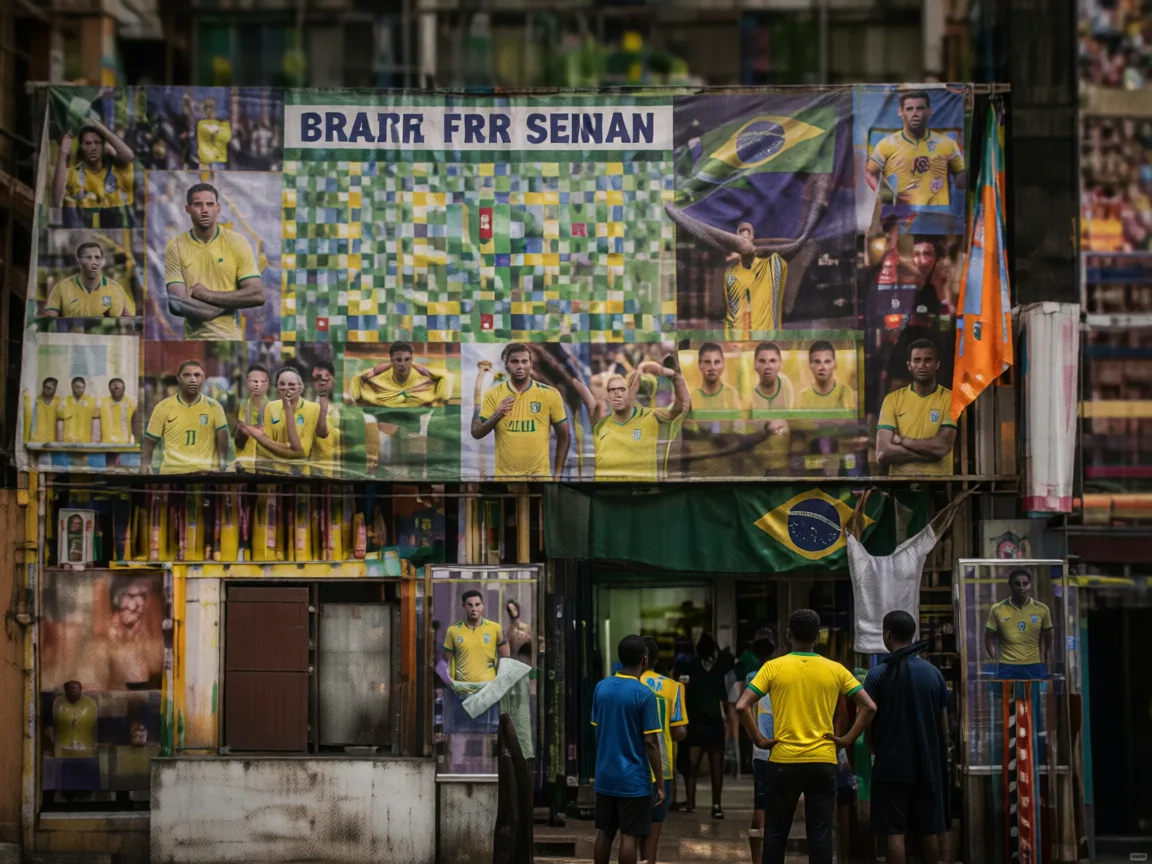
Heretics of the Stands: Why Fans Abandon Their Football Home Nations
Identity in football is negotiable, and international allegiance increasingly follows tactical and cultural logic.
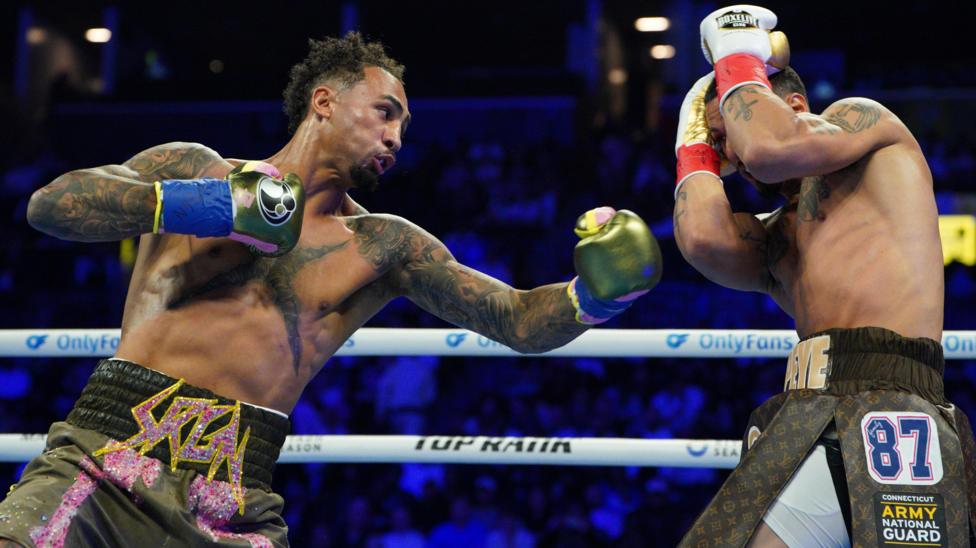
Whittaker Destroys Rivera in Two Rounds on US Debut
Ben Whittaker announced himself to America, stopping Richard Rivera in two ruthless rounds at Brooklyn's Barclays Center.