McTominay Under Fire: Is Scotland's Napoli Star Really Failing?
Scott McTominay faces World Cup scrutiny, but raw expectations ignore his transformed role at Napoli and Scotland's systemic flaws.
The Weight of a Nation's Expectations
The whispers began after the first group stage draw. By the second match, they had mutated into a full-throated roar across social media and pub tables alike. Scott McTominay, the man who practically dragged Scotland to this World Cup through sheer will and clutch goals, suddenly looked mortal. The narrative turned sharp and unforgiving: Scotland's main man had gone missing on the biggest stage.
But peel back the layers of frustration, separate the emotion from the evidence, and a far more complex picture emerges. One that asks an uncomfortable question of the Tartan Army—are we demanding a player who no longer exists?
The Ghost of Qualifying Past
Memory is a selective architect. It builds monuments to the spectacular while quietly demolishing the mundane foundations that made it possible.
During qualifying, McTominay was unplayable. He turned into a late-box predator, a ruthless finisher who famously struck seven goals in the campaign. He scored braces against Spain. He became the avalanche Scotland rode to their first major tournament in a generation. The nation fell in love with a superhero.
He was our engine, our finisher, our everything. When the game was dying, Mac was the one who grabbed it by the throat.
That version of McTominay etched himself into Scottish folklore. The problem is, folklore doesn't translate tactics. And tactically, the McTominay arriving at this World Cup is a profoundly different footballer than the one who shattered Spanish hearts months ago.
The Napoli Metamorphosis
To understand the current disconnect, you have to look 250 miles southeast of Glasgow to the city of Naples.
When McTominay traded Manchester United for Napoli in a £25 million summer move, skeptics assumed he would be a rotational disruptor, a physical presence off the bench. Instead, Antonio Conte handed him the keys to the Serie A midfield.
Under Conte's demanding tactical structure, McTominay has been reborn. He is no longer the roving late-runner crashing into the box. He is the deep-lying metronome. Conte's system requires him to anchor the midfield, dictate the play's rhythm, and shield the back line with relentless positional discipline. The goals have dried up. The control has skyrocketed.
- 85.7% pass completion rate in Serie A this season
- Averaging 2.4 interceptions per 90 minutes, a career high
- Creating 1.8 progressive passing sequences per match from deep
- Reduced to just 0.3 shots per game compared to 1.9 at Manchester United last season
He has matured from a momentum-shifting weapon into a system-sustaining foundation. The transformation is staggering. But it has created a massive tactical headache for his national team.
The Tactical Identity Crisis
Steve Clarke has a McTominay problem, and it's not the kind anyone anticipated.
For Scotland, the system is built on grit, rapid transitions, and moments of individual brilliance. They don't possess the ball to suffocate opponents; they survive by punching them on the counter. In that chaos, the old McTominay was the perfect weapon. He sniffed out loose balls in the box. He arrived late and punished tired defenders.
But the current McTominay instinctively drops deep, looking to construct play rather than demolish it. He looks for the recycle pass instead of the shot. In a Scotland shirt surrounded by teammates accustomed to him being the apex predator, his new Napoli instincts look suspiciously like hesitation.
We need the Mac who scores goals, not the Mac who passes sideways. Scotland doesn't have the players to play like Napoli. We need him breaking lines.
The criticism isn't malicious. It's born from an agonizing gap between what the team desperately needs and what the player naturally provides. Clarke has deployed him in a hybrid role, attempting to merge the old explosiveness with the new control. The result is a midfielder caught between two identities. He has struggled to assert his usual physical dominance because he is constantly calculating his positioning rather than trusting his explosive urges.
Behind the Deal: The Napoli Premium
The tactical shift didn't happen in a vacuum. It came with a financial and psychological relocation that reshaped his entire professional identity.
- Transfer fee: £25 million to Napoli
- Contract: Four years at approximately £3.5 million per season
- Tactical shift: From box-to-box under Ole Gunnar Solskjaer and Erik ten Hag to a disciplined regista under Conte
- Trade-off: Goals sacrificed for complete midfield control and trust from a legendary coach
Conte's insistence on McTominay as a deep orchestrator wasn't an accident. He saw a player whose technical passing had long been suppressed by the reactive, transitional systems at Old Trafford. In Naples, he is trusted, and that trust has reprogrammed his instincts on the pitch.
The Numbers Mislead
Saying McTominay hasn't had the expected impact is easy. Proving it requires a selective reading of the game.
In Scotland's opening World Cup matches, the Napoli midfielder quietly registered 94% passing accuracy against high-pressing opponents. He won 71% of his aerial duels. He was the only Scottish midfielder who consistently retained possession under immense physical pressure.
But he didn't score. He didn't provide that visceral, chest-thumping moment that defines his international legacy. So the verdict was swift and brutal: he has been poor.
This is the fundamental injustice of modern tournament football. A player can execute his tactical assignment flawlessly, stabilizing a chaotic midfield, but if he doesn't deliver a highlight-reel moment, the narrative declares him a failure. Scotland's defensive lapses and attacking inefficiencies elsewhere on the pitch are conveniently blamed on the absence of the qualifying superhero.
The Uncomfortable Truth
The scrutiny on McTominay is a mirror reflecting Scotland's own limitations.
He is playing profoundly well within Conte's rigid framework every week in Italy. He is applying those same intelligent, controlled principles for his country. The tragedy is that Scotland lacks the surrounding technical quality to complement his evolution. Where Napoli provides Ivan Provedel and Khvicha Kvaratskhelia to execute the final actions, Scotland offers fragmented transitions and isolated forwards.
McTominay hasn't disappeared. He has evolved past the team that raised him.
What Comes Next
Steve Clarke faces a defining decision before the final group stage match. Does he sacrifice McTominay's evolved ball retention to push him into the box? Does he abandon the tactical structure that brought them to the tournament in favor of chasing a ghost?
The answer will dictate Scotland's World Cup fate. Pushing McTominay forward might unlock a moment of magic, but it also strips the midfield of its only reliable anchor in possession. Keeping him deep protects the structure but risks starving the attack of its most proven threat.
Against desperate opponents with nothing to lose, Scotland will need control more than chaos. That means leaning into the Napoli version of McTominay, not begging for the return of the Manchester United relic.
The tournament waits for no one. But before the Tartan Army writes off their main man, they might want to look at who he has actually become. The superhero didn't die. He just learned a different way to save the world.
Editorial Integrity
This is an original SportPulse article written by our editorial team. All content is independently researched, written, and reviewed by our writers and editors before publication. We do not publish copied, aggregated, or syndicated content.
SportPulse is committed to original sports journalism. Read our editorial policy or contact us with any questions.
More Like This
All football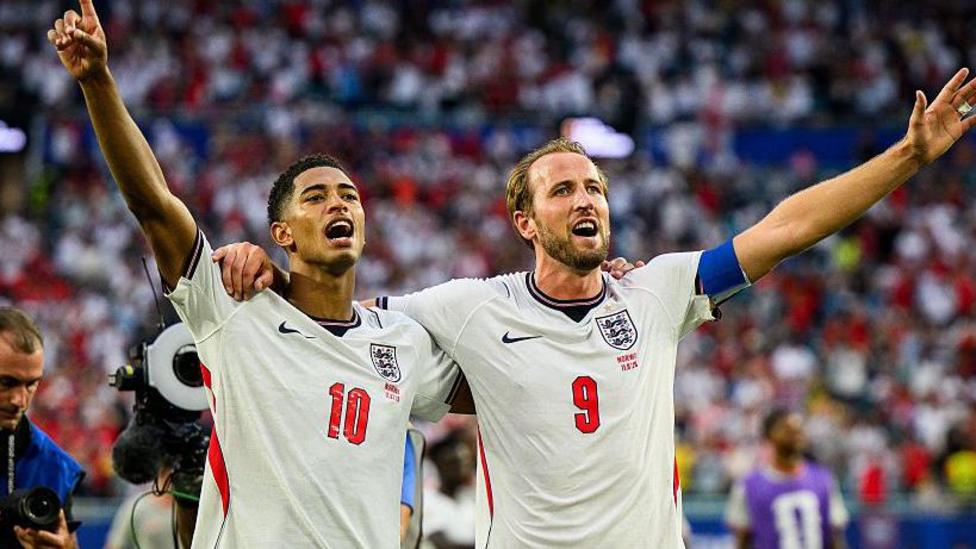
Rooney Crowns Bellingham: England's New Golden Boy Delivers
Wayne Rooney says Jude Bellingham has been the World Cup's best. It's more than praise — it's a generational torch passing.

England vs Argentina: 1962 Ghosts and 1966 Demons Collide in Atlanta
A World Cup semi-final dripping with history: England chase a 60-year ghost while Argentina stand one game from back-to-back immortality.

Championship Chaos: Why This Promotion Race Defies All Logic
The most unpredictable promotion race in Championship history is here, and the data suggests chaos is the only certainty.