Miami Takes Center Stage as 30,000 England Fans Transform World Cup Quarter-Final Host City
Tens of thousands of England supporters descend on Miami Beach, turning Ocean Drive into a surreal carnival of football devotion.
A Huddersfield Town flag hangs from the balcony of an art deco hotel on Ocean Drive.
Not a Premier League giant. Not a Champions League contender. Huddersfield Town. The Championship club whose supporters have traveled over 4,000 miles to paint South Florida in their colors.
This is not just another morning in Miami Beach.
Two Norwegians cycle past on rented bikes, the woman adjusting a Viking helmet before pedaling frantically to catch up with her companion. Locals play volleyball beneath the sand dunes, pretending not to notice the invasion. To them, the sideshow is at once inescapable and remote.
But make no mistake. Miami has never seen a party quite like this.
The Numbers Behind the Invasion
By Saturday, approximately 30,000 England fans will have converged on the city.
That figure alone would populate a small town. Spread across Miami Beach, downtown Miami, and the surrounding Coconut Grove corridor, it creates a visible, auditory, and economic footprint that locals cannot ignore.
Norway's traveling support will give them a serious run for their money. The Norwegians have offered some of this World Cup's most enduring spectacles, following a team whose tournament narrative has captured imaginations far beyond Scandinavia.
"What's the point of working if you can't do stuff like this?"
That quote, from an unnamed England fan on Ocean Drive, captures the mentality driving this migration. It is not盲目 loyalty. It is a conscious choice to invest savings, vacation days, and emotional energy into a month-long pursuit that might end in glory or heartbreak.
Ocean Drive Transformed
Ocean Drive is already a living, decadent museum where brashness mingles with brilliance and grandeur sits unashamedly alongside the grotesque.
Now add 30,000 football fans to that equation.
The art deco hotels that define this stretch of Miami Beach have become impromptu territorial markers. Flags from English clubs large and small drape from balconies. A Huddersfield banner here. A flag from a Sunday league team there. The supporters of England's national team carry their club allegiances with them, regardless of the international context.
Norwegian fans bring their own aesthetic. Viking helmets. National team shirts in deep red. A bicycle culture that feels oddly at home in a city built for convertibles.
The contrast is striking. Miami's year-round residents, accustomed to spring break chaos and Art Basel excess, are witnessing something genuinely unfamiliar. This is not hedonism for its own sake. This is devotion with a match ticket attached.
The Tournament That Warrants the Journey
A World Cup quarter-final carries a unique gravity.
It rewards those who committed early, who booked flights and accommodations weeks ago when knockout qualification was merely an aspiration. These are the diehards. The supporters who believed before belief was rational.
But a quarter-final in an attractive host city also beckons the spontaneous. The fan who saw the group stage results, checked their bank account, and made a decision within hours. The expat living in the United States who recognized a rare opportunity to see their national team on accessible soil.
Miami's appeal as a host city lies in its duality: it offers World Cup intensity without sacrificing the escapism fans crave between matches.
The weather certainly cooperates. South Florida's blend of sunshine, humidity, and coastal breeze creates an environment where pre-match gatherings spill from bars onto sidewalks, and post-match debriefs stretch into the early hours.
The Norwegian Contingent
England's numerical dominance risks obscuring a critical subplot.
Norway's fans have been among the standout supporters of this entire tournament. Their team's performances have provided gripping theater, and their traveling contingent has matched that intensity with color, noise, and unwavering commitment.
The presence of Norwegian supporters in Miami tells its own story. Norway as a football nation has undergone a renaissance. The spotlight that once focused exclusively on individual talents now illuminates a collective project earning respect on the global stage.
Their fans reflect that growing confidence. They are not here as tourists making the most of a brief appearance. They are here to compete, both on the pitch and in the stands.
Behind the Migration: What Draws Fans to Miami
Beyond the football, Miami offers a rare combination that few World Cup host cities can match.
The accessibility factor cannot be overstated. For European fans, the United States has become an increasingly viable tournament destination. Flight connectivity between London, Manchester, and Miami International is strong. The infrastructure is built for volume.
But the real draw is cultural.
Miami Beach provides a fantasy backdrop that amplifies every moment of the tournament experience. Supporters who have spent weeks in more functional host cities, with utilitarian hotels and limited entertainment options, find in Miami a stark contrast.
The pricing reflects that appeal. Hotel rates along Collins Avenue and Ocean Drive have surged to meet demand. Short-term rental platforms are commanding premium rates for properties within walking distance of the fan zones.
The economic impact of 30,000 England fans descending on Miami Beach for a long weekend is measurable in millions of dollars across hospitality, transport, and retail sectors.
But for the supporters themselves, the calculation is simpler. This is a once-in-a-generation experience. A World Cup quarter-final. A city that never sleeps. A chance to merge sporting devotion with the kind of experiences that stay with you long after the final whistle.
The Match Ahead
The quarter-final itself will determine whether this migration becomes a memory etched in glory or a story of heartbreak.
Both sets of supporters understand the stakes. Win, and the journey continues toward a semi-final that would demand even more commitment. Lose, and Miami becomes the place where the dream died,bookmarking a tournament that promised so much.
For England, the weight of expectation is familiar. The historical narrative of near-misses and penalty heartbreaks looms over every knockout fixture. These 30,000 fans carry that burden with them, channeling hope through chants and rituals refined over decades.
For Norway, the dynamic is different. Their supporters arrive with the freedom of a nation exceeding expectations. Every round further than projected is a bonus. That mentality breeds a distinctive energy.
What Miami Witnesses
The locals playing volleyball beneath the sand dunes will carry on.
To them, this is a curiosity. A temporary transformation of their daily environment. The flags, the chanting, the sea of red and white shirts will recede. Ocean Drive will return to its usual rhythm.
But for the tens of thousands who made the journey, Miami will forever be associated with this specific World Cup moment. The city becomes a character in their personal tournament narrative.
"What's the point of working if you can't do stuff like this?"
That question, rhetorical as it might be, answers itself. The point of working is to afford moments like these. To stand on a beach in South Florida, thousands of miles from home, wearing your colors without hesitation, surrounded by thousands who made the same irrational, beautiful choice.
Football migrations of this scale are inherently irrational. They defy logic. They ignore cost-benefit analyses. They exist because the sport creates bonds that transcend the transactional nature of modern life.
Miami is witnessing that phenomenon firsthand.
By Saturday, when the 30,000 reach their peak, Ocean Drive will be unrecognizable from its usual state. The volleyball players might even stop and watch.
Editorial Integrity
This is an original SportPulse article written by our editorial team. All content is independently researched, written, and reviewed by our writers and editors before publication. We do not publish copied, aggregated, or syndicated content.
SportPulse is committed to original sports journalism. Read our editorial policy or contact us with any questions.
More Like This
All football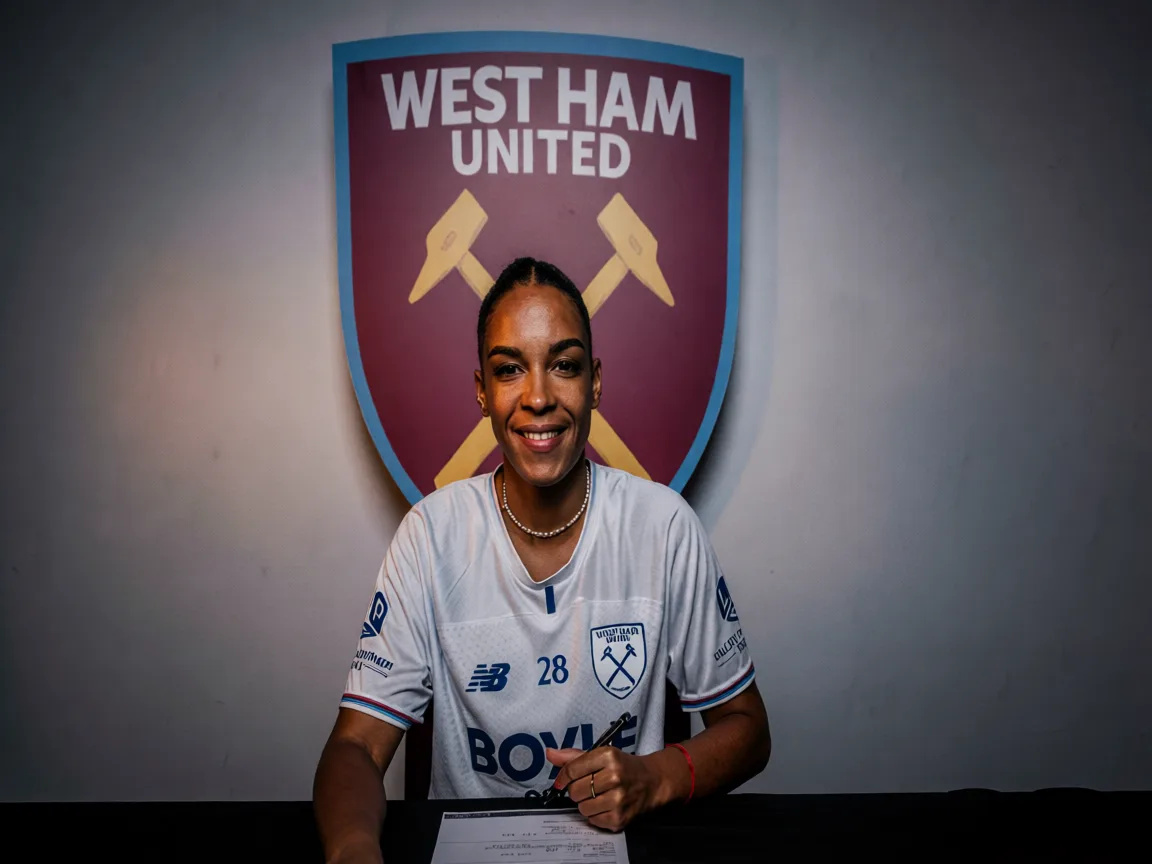
Cascarino Makes West Ham Switch Permanent: A Defensive Statement
West Ham's permanent capture of Estelle Cascarino signals intent, but the data reveals a far more complex tactical challenge for Rehanne Skinner.

Debutant Grandidier Nkanang Drowns Wallabies in Brisbane flood
A debut double from Grandidier Nkanang completed a stunning French fightback, pushing Australia to a sixth straight defeat.

Tuchel Backs England to Rise as World Cup Knockouts Loom
Thomas Tuchel insists England will elevate their game after a stuttering group stage culminated in top spot and a historic Kane milestone.