Mickelson Goes on Offensive, Denies Misconduct and Club Expulsion Claims
Phil Mickelson pushes back against fresh allegations, but the damage to his reputation continues to compound.
The Lefty PR Machine Whirs Back to Life
Phil Mickelson has built an entire career on audacity. The miraculous recovery from the pine straw at Augusta in 2010. The decision to join LIV Golf in 2022, torching decades of PGA Tour loyalty for a reported $200 million payday. The US Open title that slipped through his fingers six times, only for him to keep showing up, grinning, at age 53. Now, the six-time major champion is channeling that same stubbornness into something far less glamorous: denying allegations of misconduct and rejecting claims he was forced to leave multiple golf clubs in California.
The specifics of these latest allegations remain thin in public reporting, but Mickelson's forceful denial tells us plenty. When a figure of his stature issues a preemptive rebuttal rather than letting whispers die in silence, the accusations carry weight enough to warrant a response.
A Reputation Already Under Siege
To understand why these allegations land with such force, you need to place them in the wreckage of Mickelson's public image over the past three years. Before 2022, Mickelson was arguably the most beloved figure in American golf. The everyman charm, the willingness to interact with fans, the fist pumps, the beer-and-wings persona that made him a $800 million career earner across prize money and endorsements.
Then came the LIV Golf defection, preceded by his now-infamous comments to journalist Alan Shipnuck describing Saudi Arabian backers as "scary motherf***ers" with a "horrible record on human rights" while simultaneously acknowledging he was using the breakaway league as leverage. Those remarks cost him sponsors, relationships, and the kind of public goodwill that takes decades to build.
The misconduct allegations add another layer to an already complicated post-PGA Tour chapter. Reports of gambling habits have long swirled around Mickelson. Billy Walters' 2023 memoir alleged Mickelson wagered more than $1 billion across multiple sports over a three-decade span, claims Mickelson did not meaningfully dispute. Whether these new misconduct allegations intersect with that history or represent an entirely separate matter is not yet clear.
What We Know About the Club Claims
The suggestion that Mickelson was "forced to leave" several California golf clubs is the more intriguing thread. Country clubs operate on a system of reputation, recommendation, and discretion. Being asked to leave one is unusual. Being asked to leave multiple clubs suggests a pattern significant enough that institutions built on discretion chose to act anyway.
Mickelson has denied this characterization entirely, maintaining that any departures were voluntary. In the absence of public statements from the clubs themselves, it becomes a credibility contest between one of golf's most famous figures and unnamed establishments protecting their institutional privacy.
The LIV Golf Shadow
These allegations don't exist in a vacuum. Mickelson's current professional home, LIV Golf, has itself been the subject of relentless criticism for its Saudi Public Investment Fund backing. The league has tried to position itself as a disruptor, bringing team golf and shotgun starts to a stale product. But its biggest names carry baggage.
Dustin Johnson's personal life has been tabloid fodder. Brooks Koepka's motivation has been questioned. Graeme McDowell has had to answer for his comments about the Saudi regime. And Mickelson, the spiritual architect of the exodus, has carried the heaviest reputational cost.
For LIV Golf, every new Mickelson controversy is a distraction the league can ill afford as it continues to negotiate a potential framework agreement with the PGA Tour and the Saudi PIF. The ongoing merger discussions have already stalled past their original deadline, and public perception of the players involved matters when courting broadcast partners, sponsors, and fans.
The Sponsor Exodus Continues
When Mickelson's LIV comments surfaced in 2022, the sponsor fallout was immediate. Callaway, Workday, KPMG, and Amstel Light all cut ties. His marketability cratered virtually overnight. Before the controversy, Mickelson earned an estimated $40-50 million annually in endorsements. That figure is now a fraction of its former peak.
New misconduct allegations, even denied ones, make brand rehabilitation exponentially harder. Companies assess risk in terms of headlines, and Mickelson has become a generator of the wrong kind.
The Denial Playbook
Mickelson's approach to these allegations follows a recognizable pattern among elite athletes facing reputational threats. Deny firmly. Reframe the narrative. Project confidence. Move on.
"I categorically deny the allegations and reject the claims about being forced to leave any club." — Mickelson's statement
This is a textbook media management response. No details to create new news cycles. No hedging language that could be weaponized. Just a clean wall of denial.
The problem is that denials work best when they are followed by an absence of corroborating evidence. In Mickelson's case, the accumulation of controversies means each new denial carries less weight than the last. He has exhausted much of the credibility reservoir he built over three decades as a fan favorite.
The Verdict
Mickelson's denial may be entirely legitimate. People are accused of things they didn't do every day. But the broader narrative around his post-2022 life creates a context in which the public is far less willing to extend the benefit of the doubt. That is the real cost of the LIV defection, the gambling revelations, and the Saudi comments: not the money, not the lost endorsements, but the erosion of trust.
What Happens Next
The immediate question is whether these allegations gain further traction. If the clubs in question begin confirming details, or if additional witnesses come forward, the story escalates significantly. If Mickelson's denial holds and no new information surfaces, this becomes another chapter in his increasingly messy public story that fades within weeks.
Longer term, Mickelson's legacy remains a fascinating tug-of-war. Six major championships. 45 PGA Tour wins. The oldest major champion in history at 50 years and 11 months after his 2021 PGA Championship triumph. These are Hall of Fame numbers, and he is already enshrined.
But legacies are not just about trophies. They are about the totality of how a public figure is remembered. Right now, Mickelson's is being rewritten in real time, and not by his choosing.
The Bottom Line
Phil Mickelson has denied misconduct before. He denied that his LIV Golf move was purely financial. He denied knowing the full extent of his gambling. The public record on each of those denials is, at best, mixed. Whether this latest denial holds will depend on what surfaces next, but the deeper issue is structural: Mickelson has become a figure whose word alone no longer settles the debate. For a man who spent 30 years as golf's most trusted ambassador, that might be the most damaging allegation of all.
Editorial Integrity
This is an original SportPulse article written by our editorial team. All content is independently researched, written, and reviewed by our writers and editors before publication. We do not publish copied, aggregated, or syndicated content.
SportPulse is committed to original sports journalism. Read our editorial policy or contact us with any questions.
More Like This
All long-reads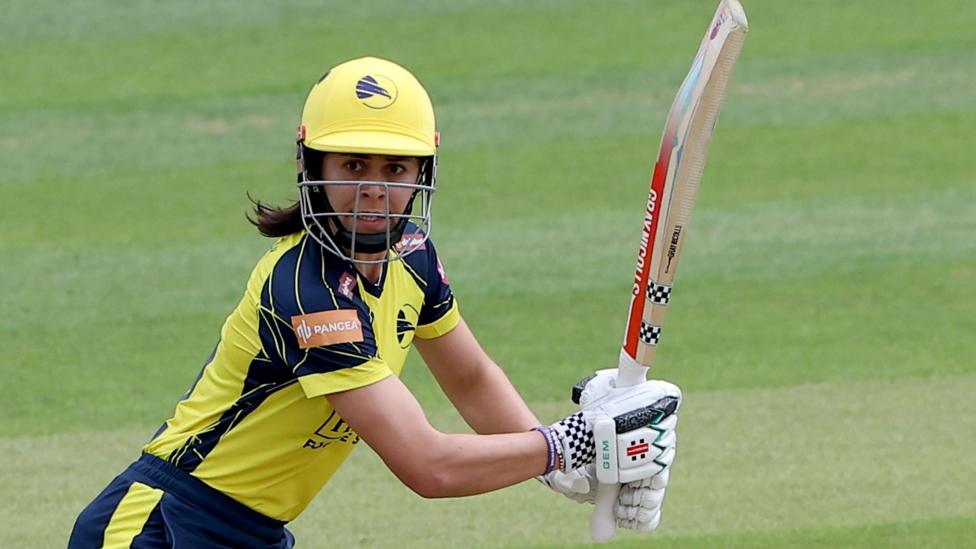
Hampshire Pull Clear as The Blaze Surge in Women's T20 Blast Shake-Up
Hampshire's ruthless consistency opens a two-point gap at the summit while The Blaze leap into second with statement win over Essex.
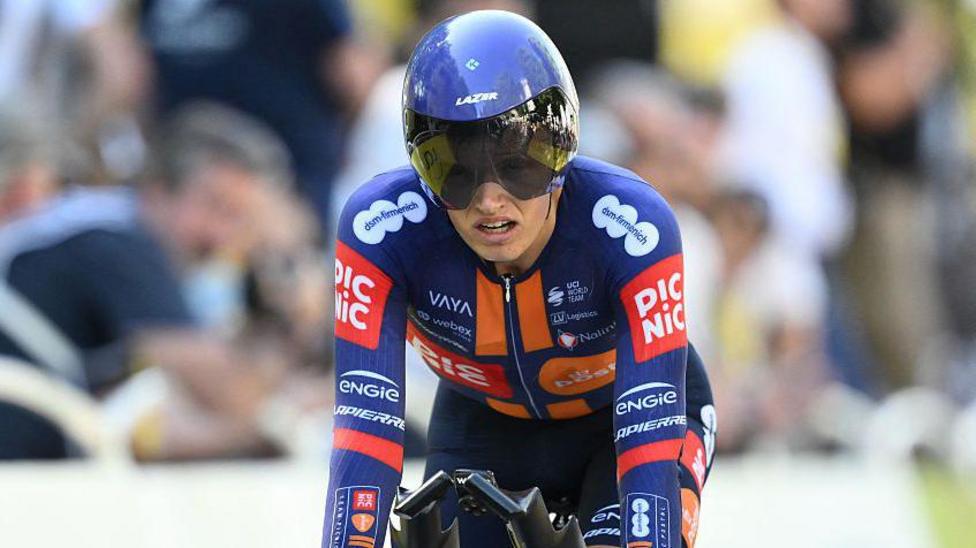
Onley Ruled Out of Tour de France with Shoulder Injury
Oscar Onley's Tour de France dream shattered by a shoulder injury, leaving Netcompany-Ineos scrambling for leadership three weeks before the Grand Depart.
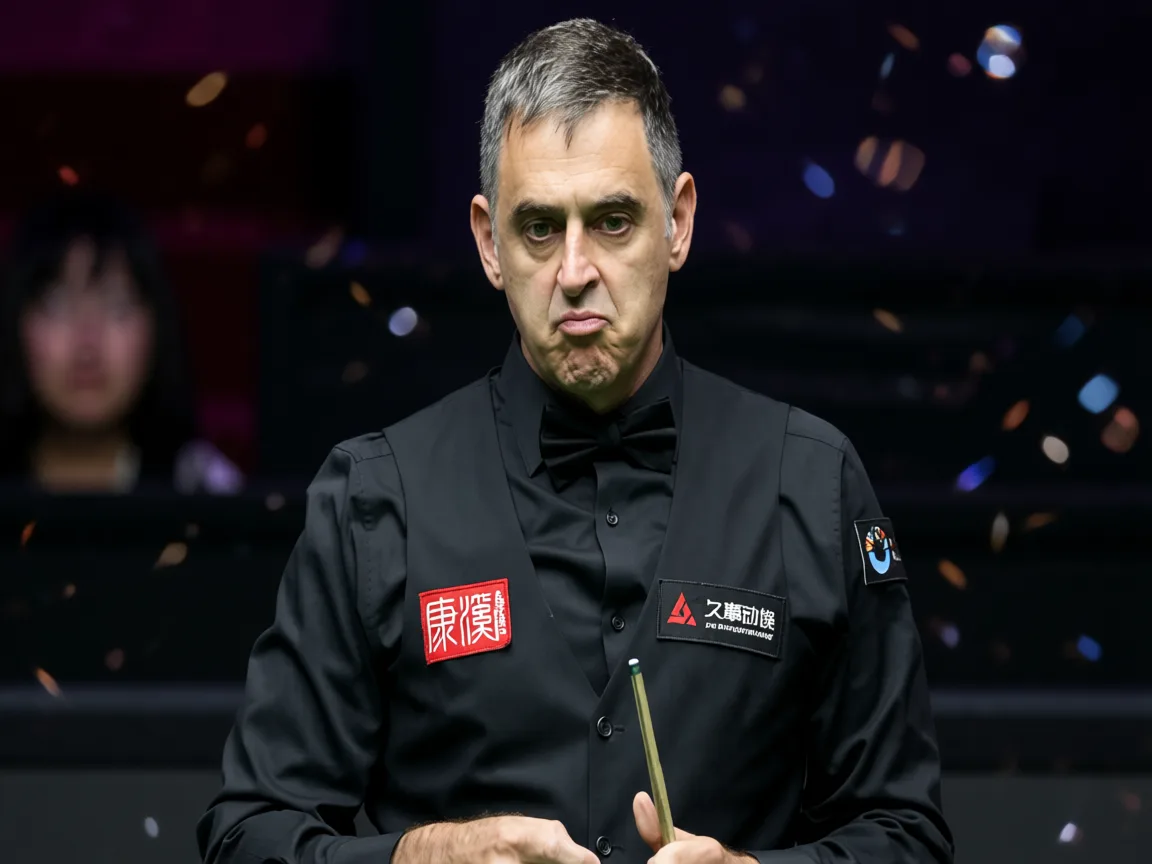
O'Sullivan Brushes Aside First-Round Opponent to Open Shanghai Masters Campaign
Ronnie O'Sullivan looked untroubled in his seasonal debut in Shanghai, easing through a comfortable first-round tie.