Morgan, Cusack, and the Power Imbalance Plaguing the WSL
Jonathan Morgan's testimony reveals a systemic coaching culture where dissent is punished and players silenced.
The modern European game demands tactical flexibility and a high football IQ from its players, but when a manager's entire assessment of a footballer collapses into calling her "generally a liar," the crisis is no longer about formation geometry. It is about the architecture of power within a football club. Jonathan Morgan's testimony at the inquest into the tragic death of Maddy Cusack has exposed a fundamental flaw in how the Women's Super League polices its internal hierarchies. When the head coach becomes the ultimate arbiter of a player's emotional truth, the dressing room transforms from a collective unit into a fiefdom.
Reports from the inquest detail Morgan giving evidence regarding his interactions with Cusack during an FA investigation. The former Sheffield United manager claimed the player "omitted information" to her family. This language is deliberate and tactical. To accuse a player of omission is to frame her as unreliable, selectively deceptive, and unfit to be trusted. It constructs a narrative where the manager is the victim of misrepresentation rather than the subject of legitimate scrutiny.
The Manager as Arbiter
In elite football, a manager's primary tools are man management and tactical alignment. The Football Association's investigation into the environment Morgan fostered was a necessary intervention. Yet the fact Morgan felt empowered to actively undermine his player's integrity during the process reveals a broader structural failure. The WSL has grown exponentially, but the regulatory frameworks protecting players from internal coercion have not kept pace with the financial investments and media exposure.
The power dynamic in a player-manager relationship is inherently skewed. A manager controls selection, contract renewals, and access to the technical staff. When a player raises concerns, the manager controls the narrative presented to the board. Morgan's testimony shows how this power is wielded to insulate the manager. Cusack is no longer present to defend herself against the characterisation of being "generally a liar." She cannot offer her tactical reasoning for her actions. The asymmetry of this posthumous confrontation is stark.
"We demand tactical discipline on the pitch, but we lack regulatory discipline in the boardroom. The FA must enforce standards of conduct that prevent managers from operating as unaccountable monarchs."
A Tactical Breakdown of Institutional Defence
A football team is a system where every component must function in harmony. When a manager identifies a player as a disruptive force, the tactical response is often removal from the starting XI. The FA investigation and the inquest reveal a breakdown of trust that transcended the pitch. Morgan's approach to the investigation mirrors a manager setting up a defensive block. He absorbed the pressure of the inquiry and countered by questioning the credibility of the key witness.
This is not a novel strategy. It is a reflection of an institutional reflex designed to preserve the authority of the technical staff. The inquest heard that Morgan felt Cusack had "omitted information" to her family. This claim serves a dual purpose. It invalidates the player's account to the investigators and isolates the player from her support network by suggesting she was not honest with them.
Tactical Shift
The turning point in any institutional crisis is the moment the governing body decides to aggressively intervene rather than passively observe. The FA's investigation into Sheffield United was triggered by serious concerns. The testimony at the inquest is now driving a public reckoning. The tactical shift required is not merely a change in personnel at one club. It is a strategic reset of how the WSL handles player grievances.
The league must establish independent welfare officers embedded within clubs, completely separate from the technical staff. These officers must report directly to the FA. A manager's assessment of a player's performance is tactical. A manager's assessment of a player's character is often subjective and potentially self serving. The regulatory framework must recognise this distinction.
- Governance restructuring: The introduction of an independent ombudsman for WSL players to report concerns without fear of selection reprisal.
- Contractual protections: Safeguards ensuring players who participate in investigations are protected from non selection based on their testimony.
- Managerial accountability: Mandatory reviews of management conduct when multiple welfare concerns are flagged, regardless of league position.
The Bigger Picture
The European continental model offers a different perspective. In systems where sporting directors hold significant institutional power, the manager is often shielded from the bureaucratic elements of player welfare. This layered structure prevents direct conflicts from escalating. The English game often places the manager at the centre of every institutional interaction. This concentration of authority creates a single point of failure for player welfare.
Elite football operates on clear hierarchies. The manager dictates the tactical framework and the players execute the game plan. When this hierarchy bleeds into personal assessments of integrity, the professional boundary is destroyed. Maddy Cusack's family deserve a full and transparent accounting of the environment that surrounded her. The football community requires systemic reform.
Morgan's labeling of Cusack as "generally a liar" is not merely a legal strategy. It is a reflection of a culture where players are viewed as assets to be managed rather than professionals to be respected. This culture must change. The next fixture is not on the pitch. It is in the boardroom.
What the Numbers Reveal
The growth of the WSL has been meteoric. Broadcasting deals and increased investment have elevated the league's profile. However, the regulatory infrastructure remains disproportionately underdeveloped compared to the men's game. The FA must act decisively. The inquest is a moment for reflection. It must also be a catalyst for reform. The tactical evolution of women's football is not limited to formations and pressing triggers. It requires an institutional evolution that protects the players who make the game possible. The legacy of this tragedy must be a system where a player's voice is heard without being reframed as a lie.
Editorial Integrity
This is an original SportPulse article written by our editorial team. All content is independently researched, written, and reviewed by our writers and editors before publication. We do not publish copied, aggregated, or syndicated content.
SportPulse is committed to original sports journalism. Read our editorial policy or contact us with any questions.
More Like This
All football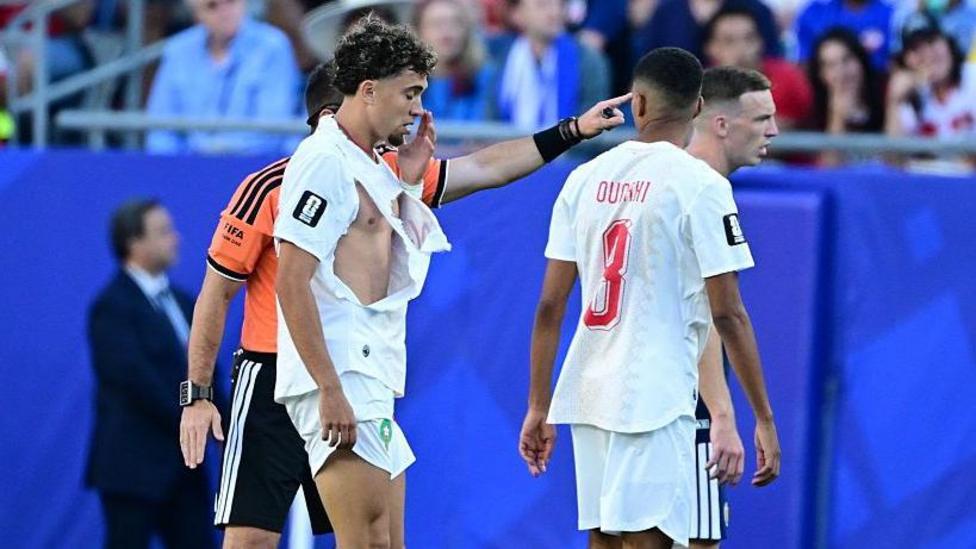
Pumas World Cup Shirt Crisis Exposes Fabric Flaws
Four Puma shirt tears at the World Cup reveal a dangerous intersection of lightweight fabric innovation and escalating match intensity.

Galway Must Crack Limerick's Fast-Start Code to End Title Drought
David Burke says Galway must start fast against Limerick to end an All-Ireland drought stretching back to 2017.
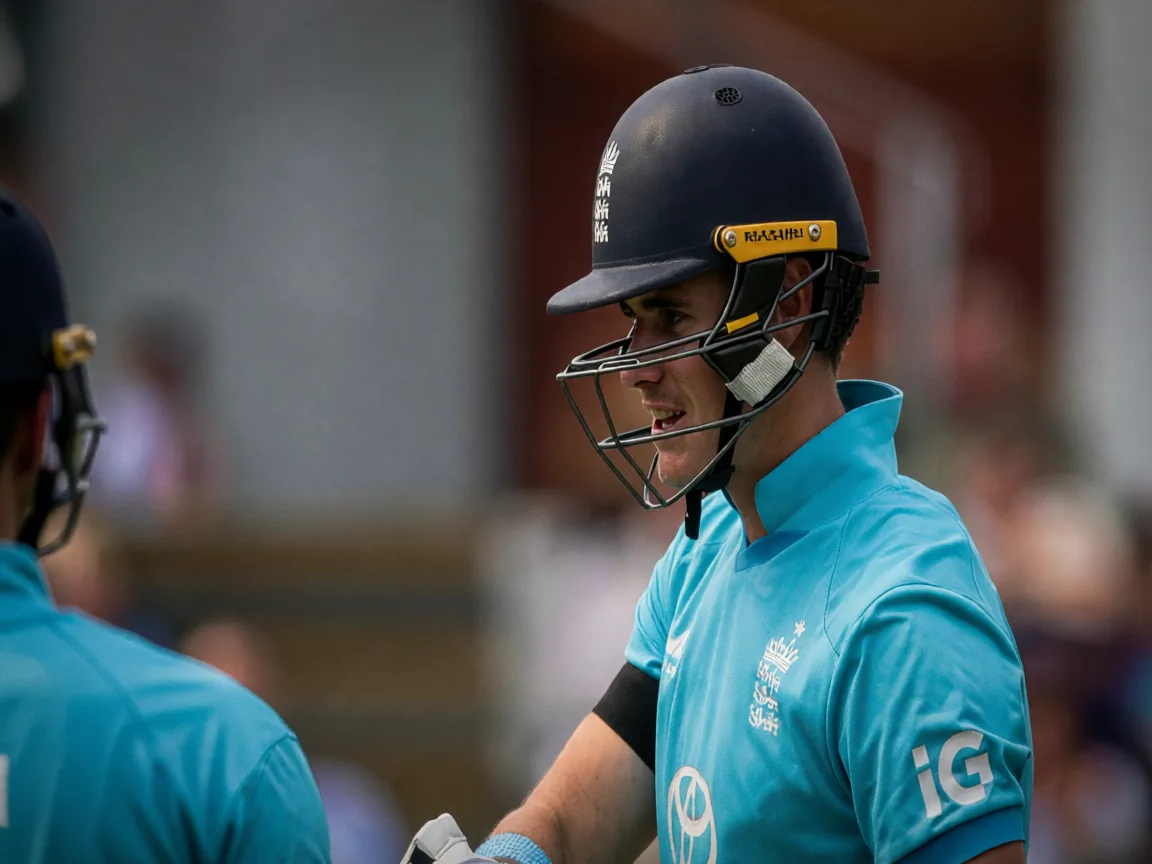
Bethell's Lord's Masterclass: England's New Star Arrives Against India
Jacob Bethell fell nine short of a maiden ODI century, but his 91 off 93 balls announced England's most exciting batting talent in years.