Morocco Shatter African Ceiling Again at World Cup 2026
Morocco become the first African nation to reach consecutive World Cup quarter-finals as Walid Regragui's side chase another historic run.
Morocco did not merely qualify for the last eight at World Cup 2026. They shattered a ceiling that has frustrated African football for generations, becoming the first team from the continent to reach consecutive World Cup quarter-finals.
That achievement stands independently of results elsewhere. Even if they lose to France, the record belongs to them forever.
Since their first direct qualification for the 1970 finals in Mexico, Morocco have spent six decades carrying the banner for African football at the World Cup. The Atlas Lions were the first team from the continent to make the knockout phase in 1986, reaching the round of 16 and planting a flag nobody had managed before.
That run in Mexico was seismic at the time. It proved African sides could compete deep into tournaments against elite European and South American opposition.
The real breakthrough, though, arrived in Qatar four years ago. Morocco's charge to the 2022 semi-finals remains the deepest run by any African nation in World Cup history, a tournament where they eliminated Spain and Portugal with performances built on defensive organisation and searing counter-attacking quality.
A Platform Built to Last
What separates Morocco's current generation from past African success stories is sustainability. Cameroon's memorable 1990 run to the quarter-finals and Senegal's 2002 campaign were both brilliant, but neither nation returned four years later and matched that feat.
Ghana came agonisingly close in 2010, denied a semi-final spot by Luis Suarez's handball and Asamoah Gyan's missed penalty. They failed to replicate that run.
Morocco have now done it twice consecutively. The infrastructure, diaspora talent pipeline, and tactical sophistication under Walid Regragui have produced a programme rather than a moment.
Consider the progression. From first direct qualification in 1970, to pioneering knockout involvement in 1986, to semi-final intoxication in 2022, and now consecutive quarter-finals in 2026. Each milestone compounds the last.
football federation invested heavily post-Qatar to capitalise on momentum, upgrading training facilities and expanding the scouting network across Europe.
The Quarter-Final Challenge
n
Standing between Morocco and another semi-final is a France side with attacking depth capable of stretching any defence. The fixture recalls the 2022 semi-final in Qatar, where France prevailed, and Walid Regragui will need a more clinical attacking performance than Morocco produced that night.
What Morocco showed in Qatar, and have reaffirmed in this tournament, is an ability to compete against elite nations across ninety minutes without the initiative or the ball. Their defensive discipline, anchored by experienced centre-backs who understand when to press and when to drop, frustrates sides that expect to dictate tempo.
The question against France is whether Achraf Hakimi and his teammates can absorb pressure in the defensive third for sustained periods, then convert rare transitions into goals. Against Spain and Portugal this formula worked perfectly. France possess greater attacking variety through their wide positions.
USA Exit Reflects Deeper Dysfunction
While Morocco celebrated assembling another unlikely stage for African football, the United States departed their own tournament with the kind of embarrassment that invites months of post-mortem soul-searching.
A defeat by Belgium in Seattle ended the American campaign with a limpness that reflected any cohesion only.dimensions
Other Last-Eight Narratives
The broader tournament continues to churn out storylines with ups
Argentina won a quarter-final thriller while Switzerland progressed via shootout in their respective ties, highlighting two specialist routes to the last four that remain the defining characteristics of top-level knockout football. One side won with bold attacking conviction and high moments of individual brilliance.
The other advanced through the psychological tension that penalties inevitably generate, a nerveless shootout display from the Swiss sending them through.
What the Numbers Say
- first African nation to reach consecutive World Cup quarter-finals
- first African team to reach the round of 16, achieved in 1986
- semi-final run in 2022 remains the continent's deepest World Cup performance
- six decades of performance milestones for Morocco at the World Cup
- 1970 marked Morocco's first direct qualification for the finals, held in Mexico
The Atmosphere in the Camp
Inside the Morocco dressing room post-match, the scene balanced controlled satisfaction with unfinished business. Walid Regragui moved around the room shaking hands, exchanging brief words with each player individually.
Sofyan Amrabat sat with ice packs strapped to both knees, the physical toll evident in the way he lowered himself onto the bench. Achraf Hakimi was already reviewing clips on a tablet with the video analyst, pointing at positioning on screen while other players peeled off sweat-soaked shirts.
Regragui gathered the squad in the centre of the room for a short address. His voice was calm, not celebratory, focused entirely on recovery protocols and the fixture against France arriving in barely 72 hours.
This group has been here before, which is precisely why there was neither wild celebration nor complacency after the final whistle.
What It Means
Morocco have already changed African football regardless of what happens against France. Consecutive quarter-final appearances prove Qatar was not a one-tournament phenomenon but a replicable model built on structure, identity, and a generation of players who genuinely believe they belong at this level.
The psychological shift is significant. For decades, African sides entered World Cup knockout matches carrying the hope of a breakthrough. Morocco now approach these fixtures with the quiet conviction of a side that has been deep into tournaments before and knows the path.
If they can beat France, they return to a semi-final stage they reached just four years ago, and the possibility of history repeating becomes tangible. If they lose, the consecutive quarter-final record still stands as proof Morocco have built something permanent.
For France, the fixture presents an opponent who will not surrender momentum or territory willingly. Didier Deschamps will prepare for a physical, tactically disciplined side capable of exploiting any defensive complacency. Every African nation watching sees Morocco now competing consistently with European heavyweights on equal terms.
That is the legacy. Not a single tournament, but a permanent shift in what African football believes it can deliver at the highest level. Morocco are no longer chasing history. They are writing it.
Update:
新文章增加了 Moroccan 作为非洲骄傲的背景历史叙述(1970年首次直接晋级、1986年进入16强),以及提到即将对阵法国的赛事预告,但核心事实与已发布文章一致。
Editorial Integrity
This is an original SportPulse article written by our editorial team. All content is independently researched, written, and reviewed by our writers and editors before publication. We do not publish copied, aggregated, or syndicated content.
SportPulse is committed to original sports journalism. Read our editorial policy or contact us with any questions.
More Like This
All football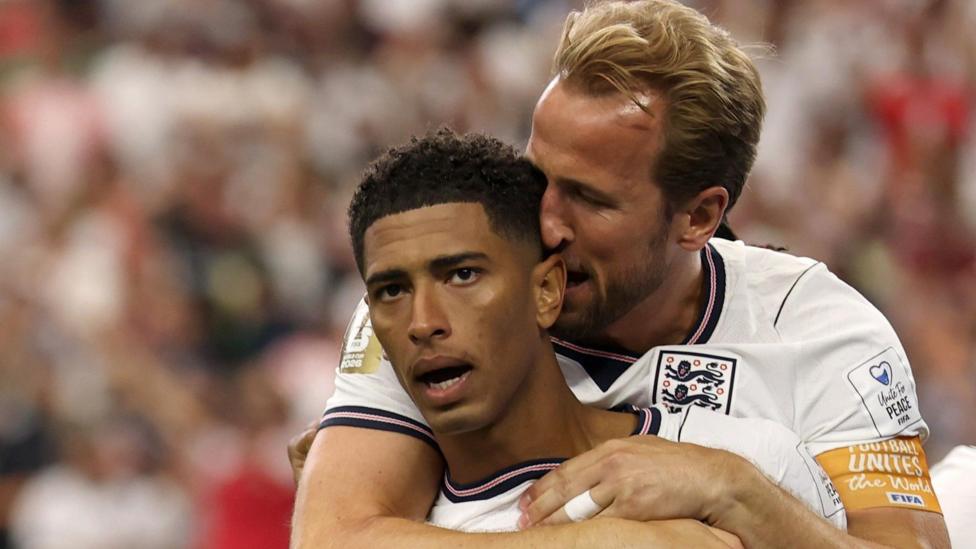
Bellingham Turns Doubt Into Fuel as England's Tactical Puzzle Takes Shape
Jude Bellingham believes external criticism of his England role could unlock his best form at the World Cup.
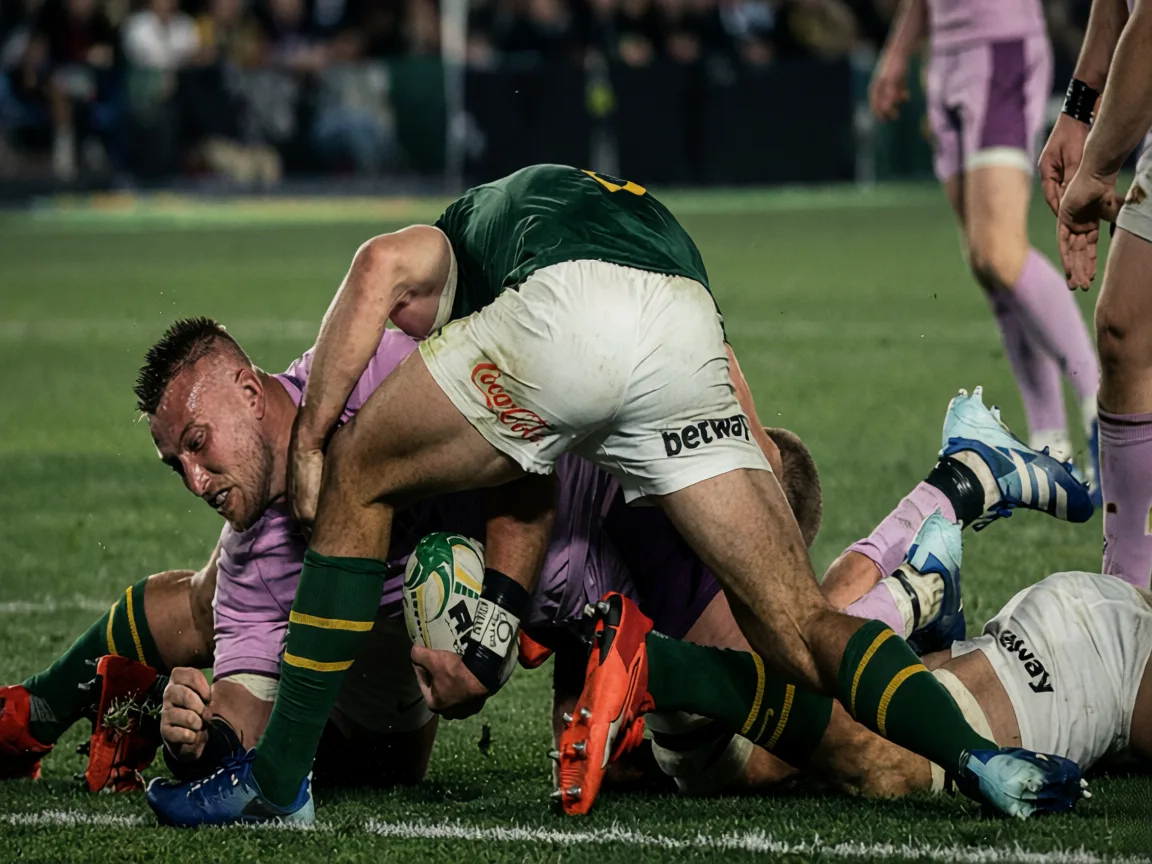
Scotland's Four Tries Not Enough Against Springbok Depth
Scotland scored four tries at Loftus Versfeld but South Africa's rotated squad still proved too relentless in a 42-28 Nations Championship thriller.
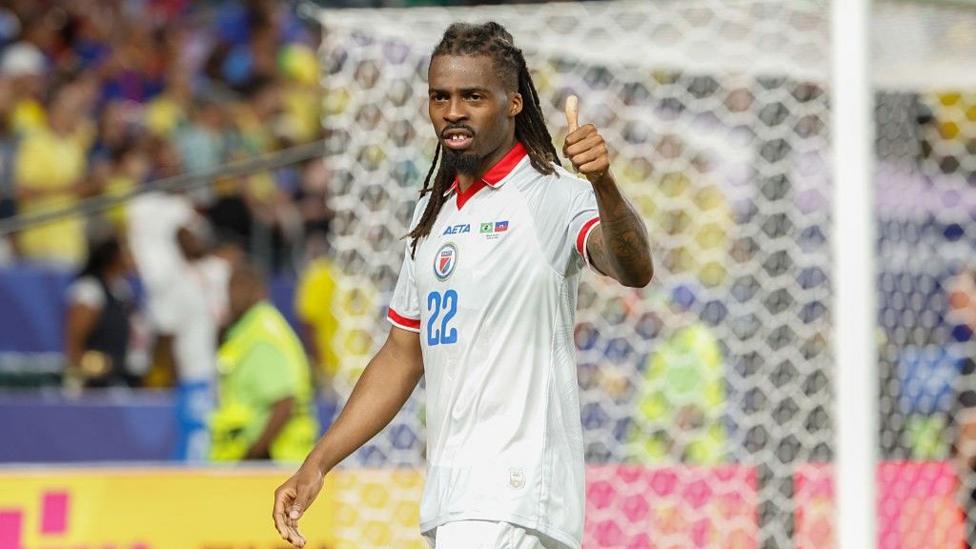
The 2026 World Cup Heartbreak: Who's Already Out
Qualifying casualties are mounting fast as giants and minnows alike see their 2026 World Cup dreams crumble before the tournament even begins.