Nauru Has Never Played a Football International. One Pitch Might Change That
The world's only nation without an official international match is trying to build a football culture from nothing.
Nauru holds a distinction no other country wants: it is the only nation on earth that has never played an official international football match. Not once. Not a friendly, not a qualifier, not a regional tournament consolation tie. The record sits at zero caps, zero goals, zero results.
Roughly 12,700 people live on the island, a phosphate-rock dot in the central Pacific that you can cycle around in under an hour. Australian rules football has deep roots there, tracing back to missionary influence in the early twentieth century. Football, by contrast, has never taken hold.
A Federation With No Match to Name
Nauru has a football association. It has had one for years. What it has never had is a pitch that meets even the loosest standard for competitive play, a roster of players who have trained together for more than a few weeks, or the logistical infrastructure to fly a squad to a regional tournament and back.
The island's single usable surface is a compacted strip shared with cricketers, rugby league hopefuls, and Australian rules footballers who fill the local leagues. No drainage. No floodlights. No stands. One pitch, one nation, and no international football to show for it.
Eddie Waqa, the driving force behind Nauru's football ambitions, has spent years trying to change that arithmetic. The federation has leaned on assistance from the Oceania Football Confederation, the regional body that oversees the sport across the Pacific, and has looked at neighbours like Kiribati and Tuvalu as proof that micro-states can carve out a place in the international game.
Kiribati, for instance, has never been a full FIFA member but fields a team in regional competition. Tuvalu has gone further, coming close to full membership and playing in World Cup qualifying rounds. Neither nation has much more infrastructure than Nauru. Both have played internationals. Nauru has not.
Blue Field, Borrowed Boots
Training sessions in Nauru are improvised. Players turn up in whatever boots they own, sometimes trainers, sometimes borrowed, mismatched kit from a previous cycle or a donation that arrived in a shipping container from an Australian amateur club. The surface is hard, cracked earth in dry season and a shallow lake when the rains arrive. Skill development lags because there is no academy, no resident coach of any standing, and no domestic league structure that produces players week in and week out.
Inside the national setup's cramped meeting space, the atmosphere is closer to a Sunday-league clubhouse than a federation headquarters. Players sit on plastic chairs around a whiteboard leaning against a corrugated wall. Waqa runs through formations that half the room has never seen. A few have watched Premier League matches on satellite feeds but replicating a pressing trap on compacted coral is another matter entirely.
Someone mentions pitch dimensions. Someone else asks when the next OFC workshop is scheduled. The room cracks a joke about needing a proper stadium before needing tactics. Then the players jog out to the same patch of packed earth they always use, hoping it has not rained overnight.
If we play one official match, just one, we are no longer last on that list. That is the whole target. Everything else comes after.
Waqa's words, relayed through federation channels, capture the stripped-back ambition. This is not about qualifying for a World Cup or even scoring a point in a regional group stage. It is about existing on the same ledger as every other football nation.
Geographic Isolation, Funding Gaps, and a Cultural Rival Code
The reasons for Nauru's absence are structural, not sporting. Membership of FIFA requires a federation, a domestic pyramid, and a working pitch. OFC eligibility for tournaments had, until recently, assumed a baseline of travel capacity and competitive readiness that small Pacific states simply do not possess.
Nauru's geographic isolation makes every trip a logistical operation. Flights to get anywhere require connections through other Pacific hubs, sometimes via cargo plane. A squad of 18 can cost more to move than the federation's annual operating budget. Even bringing referees to the island requires funding that has not been available.
Australian rules football dominates the domestic calendar. The sport is woven into Nauruan identity, and shifting that cultural weight takes time. Attempts to start a local football league have started and stalled, cycling through bursts of enthusiasm and volunteer effort that never quite reach a self-sustaining structure.
Eighteen Months to Find an Opponent
The immediate objective is modest by any global standard. Play a single recognised international. That removes Nauru from the list of the uninitiated and places it alongside Tuvalu, Kiribati, the Marshall Islands and other Pacific nations that have at least stepped onto the field.
Federation officials have spoken about the coming eighteen months as a realistic window for assembling a squad, securing an opponent willing to travel, and obtaining the regulatory sign-off needed for a match to count. The OFC has signalled openness to supporting smaller nations, though concrete scheduling for Nauru has not been confirmed.
An opponent is not yet lined up. Neighbouring micro-states have their own budget pressures, and travel to Nauru is neither simple nor cheap. A neutral venue in Fiji or Samoa has been floated as an alternative but that adds cost and pulls the match further from home soil.
Football Has Not Met Nauru There
Removing the zero from a national record sounds trivial until you consider what that figure represents. Nauru is not absent from football because it chose to be. It is absent because it lacks the pitch, the opponents, the funds, and the federation infrastructure to turn up.
The OFC's broader push to expand competitive opportunities for its smallest nations places pressure on the game's institutions, not on the Nauruan squad. If a single pitch and a single fixture can be arranged, the record corrects itself.
One match would not make Nauru competitive on the regional stage or even guarantee reasonable scorelines. But every other federation in the world can say its players have represented the country in an official fixture. Nauru is still waiting for that to change.
Editorial Integrity
This is an original SportPulse article written by our editorial team. All content is independently researched, written, and reviewed by our writers and editors before publication. We do not publish copied, aggregated, or syndicated content.
SportPulse is committed to original sports journalism. Read our editorial policy or contact us with any questions.
More Like This
All long-reads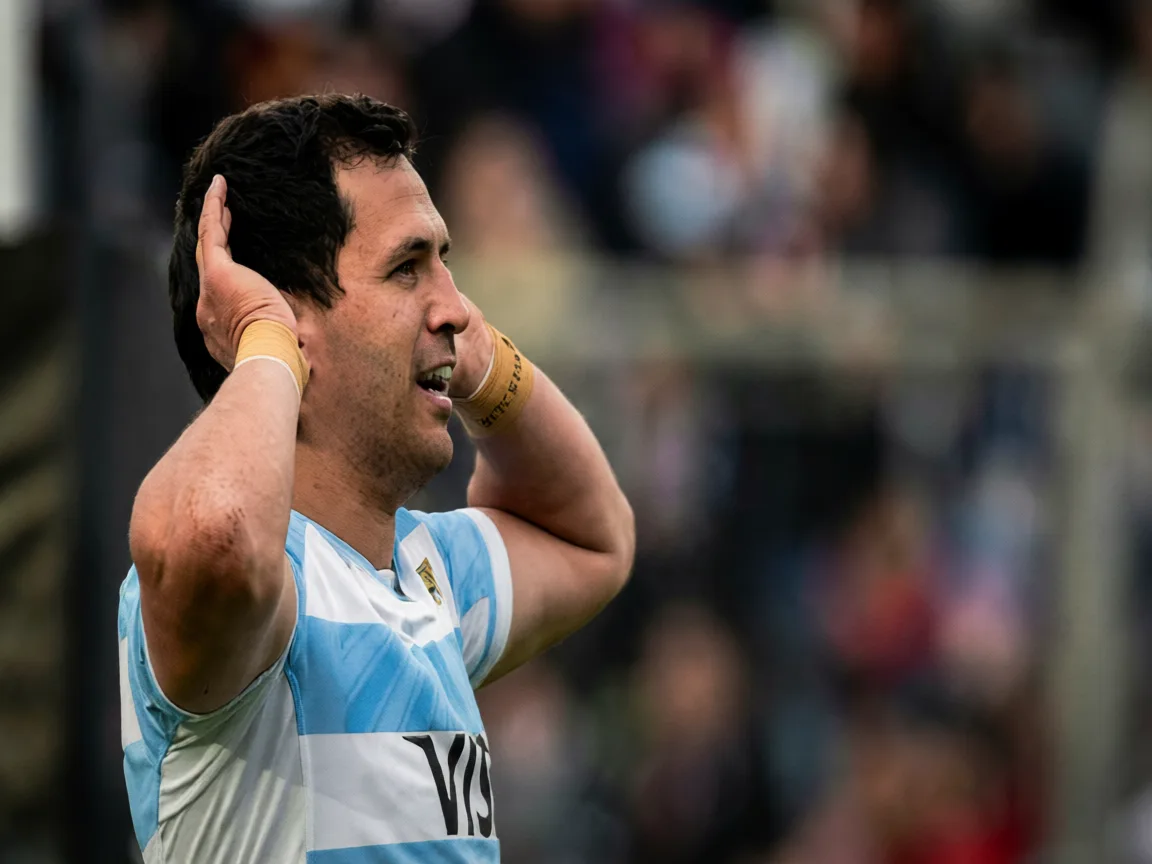
How Rugby Is Booming in Football-Mad Argentina Under Contepomi
Felipe Contepomi says rugby is booming in football-obsessed Argentina, a remarkable rise built on Jaguares grit and Pumas pride.
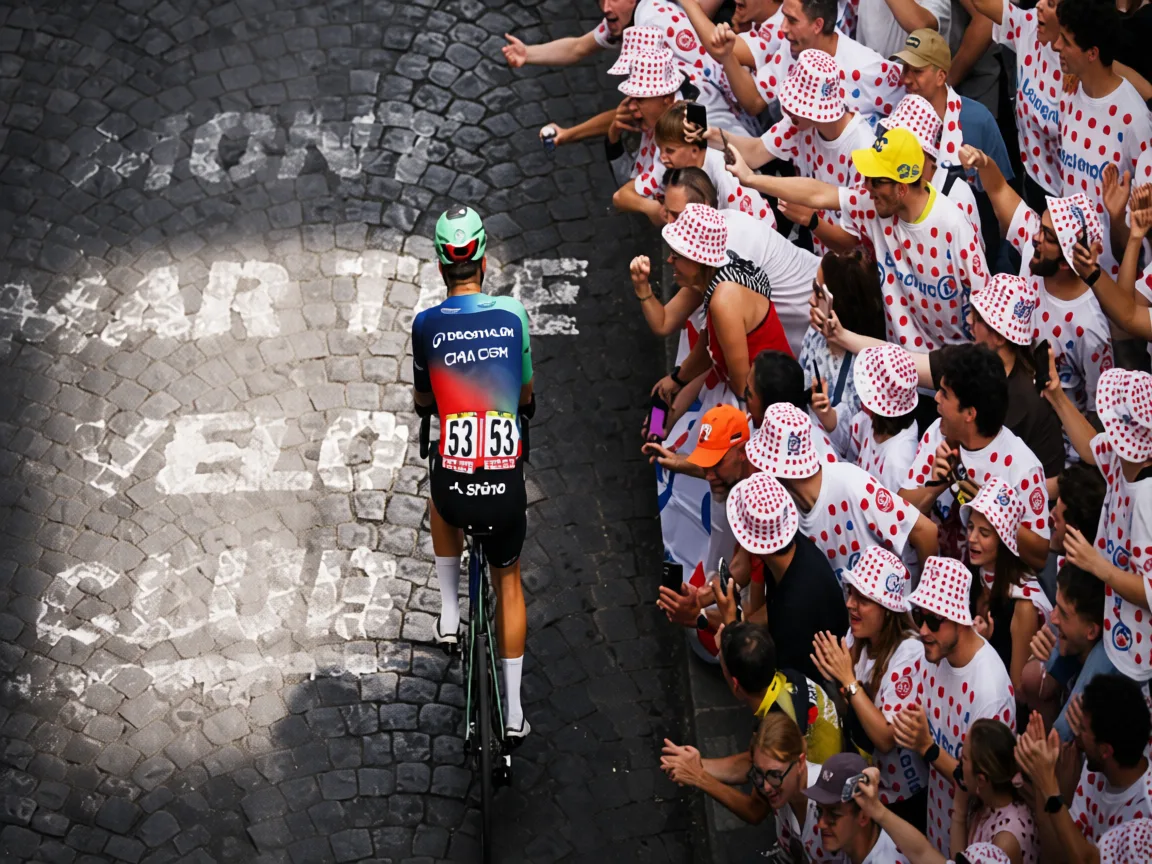
Pogacar's Dominance Lifts Cycling Into a Golden Era
Tadej Pogacar's relentless winning has made cycling must-watch television again, but the sport's credibility hinges on testing.
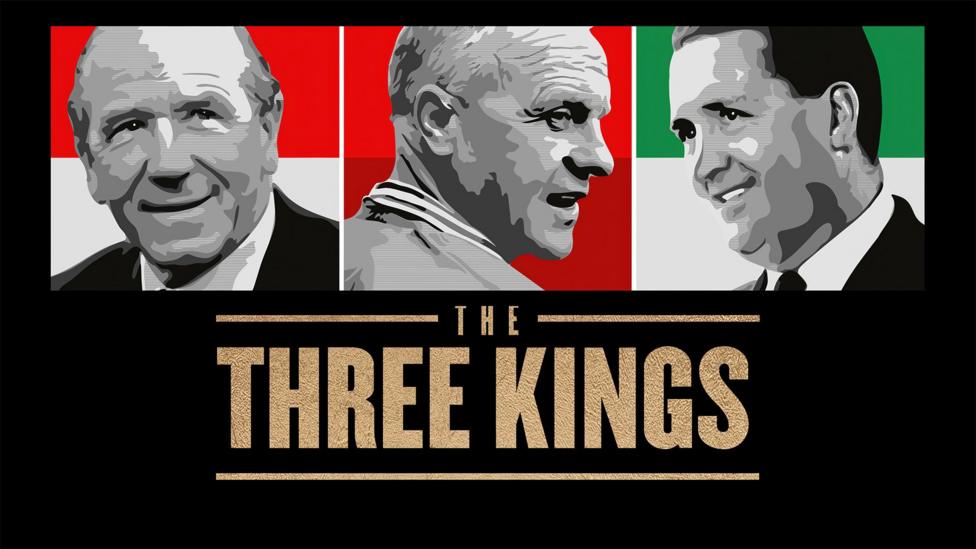
Three Scots Who Built Modern Football From the Coalfields
Busby, Shankly and Stein emerged from the same brutal Scottish mining villages to reshape world football forever.