Move Over Messi and Ronaldo: The New Generation Taking Over
Five emergent superstars are stealing the World Cup spotlight from the fading era of Messi and Ronaldo.
The End of an Era, The Dawn of Another
Lionel Messi and Cristiano Ronaldo have defined world football for nearly two decades. But this World Cup tells a different story. Five breakout stars are ripping up the script and stealing the spotlight from the aging icons.
The tournament in Qatar was always billed as a potential last dance for the two greatest of this generation. Instead, it has accelerated the narrative of transition. The future is no longer waiting in the wings. It is already on the pitch, dictating games and sending heavyweights packing.
History demands respect, but football obeys momentum. The old guard are fading, and the new generation knows it. The gap in athleticism, pressing intensity, and sheer fearlessness is impossible to ignore. We are watching a shift in real-time, and it is ruthless.
How the Veterans Forged the Path
Messi arrived at this World Cup carrying the weight of a football-mad nation desperate for a crowning moment. Ronaldo arrived engulfed in club controversy, his explosive Manchester United exit dominating pre-tournament headlines. Both walked onto the pitch carrying the weight of history, but their legs told a different story.
The numbers remain staggering. Over 1,500 career goals between them. Multiple Ballon d'Or trophies. Champions League titles. But this tournament exposed the limits of legacy. Against high-tempo opposition, the explosive bursts that once terrorized defenses are now measured steps.
When Portugal needed Ronaldo most against Morocco in the quarterfinals, he offered flickers of his former self but no decisive blow. When Argentina stuttered in critical moments, the attacking burden shifted rapidly to younger shoulders. The veterans can still illuminate a stadium with a single touch, but they can no longer dominate the full 90 minutes.
In the post-match tunnel following Argentina's crucial group stage survival, the atmosphere was electric yet tinged with reality. Young players celebrated loudly, yet kept glancing toward Messi, waiting for his nod of approval. In the Argentina dugout, loud music clashed with quiet exhaustion. One veteran coach stared blankly at his tactical board, scratching out the name of an exhausted aging talisman, acknowledging the physiological reality.
The Five Demanding the Spotlight
BBC Sport identified five young players making an outsized impact. Each represents a different facet of the modern game. They are faster, more tactically flexible, and entirely unburdened by the past. They respect the veterans, but they do not fear them.
Kylian Mbappé is not a new name, but his dominance signals the definitive changing of the guard. He burst onto the scene four years ago in Russia, winning the Best Young Player award with 4 goals. In Qatar, he operated on another planet entirely. His hat-trick in the final brought his career World Cup tally to 12 goals in just two tournaments. He is only 23 years old. He is not the future; he is the ruthless present.
Julián Álvarez arrived in Qatar as a squad option. He left as an indispensable starter. The Manchester City forward forced his way into the Argentina XI, scoring 4 goals and providing the tireless pressing that Messi can no longer sustain. His diagonal runs and aggressive pressing perfectly complemented Argentina's tactical need to protect their aging captain. He turned potential into cold, hard silverware.
Aurélien Tchouaméni anchored the French midfield with a maturity that defied his age. At just 22 years old, he controlled matches against seasoned international midfields. His physical dominance combined with crisp passing allowed France to survive the loss of key midfielders. He scored a crucial penalty in the quarterfinal shootout against England, showing nerves of steel when the pressure peaked.
Bukayo Saka emerged as England's brightest spark, a beacon of joy in an often pragmatic system. The 21-year-old scored 3 goals and terrorized defenders with his directness and low center of gravity. He went from the villain of a European Championship penalty shootout to a fearless World Cup difference-maker. His resilience is a testament to elite mentality.
Gonçalo Ramos delivered the tournament's most shocking individual performance. Replacing the dropped Ronaldo in the knockout stage against Switzerland, the 21-year-old scored a stunning hat-trick. It was a brutal, emphatic statement of generational succession. Cristiano Ronaldo started on the bench, and his replacement delivered violence and precision.
Why the Shift is Permanent
This is not a temporary dip in form. This is a systemic, irreversible shift. Modern football demands relentless physical output. Tactical systems require all eleven players to press, recover, and sprint for ninety minutes. The legends compensate with supreme positioning and technique. But margins are razor-thin at the highest level.
International tournaments expose physical decline faster than any club season. The turnaround is rapid, the stakes are absolute, and the defensive structures are elite. You cannot hide in the World Cup. You must outrun the opposition. The five emerging stars share a crucial trait: elite physical engines married to technical excellence. They are products of modern academies that prioritize Athleticism just as much as ball control.
"We know what the older players have done for the game, but when we cross that white line, we play to win. We don't think about reputations." — Bukayo Saka
The Tactical Evolution
Look closely at how these young stars operate. Mbappé drifts into half-spaces before violently exploding past fullbacks. Álvarez presses goalkeepers into rushed errors. Tchouaméni covers 12 kilometers per match, snapping into duels before transitioning play instantly. These are not just talented individuals. These are perfectly calibrated modern machines.
The statistical differences reveal the trend. The average age of the Golden Boot contender shifts younger every cycle. Top sprint speeds in this World Cup belonged almost exclusively to players under 25. The game is faster now. Decision-making must happen in milliseconds, not the fraction of a second. The young players process the chaos naturally.
What It Means
The World Cup marks the point of no return. Messi and Ronaldo will play on, collecting milestones and drawing massive crowds. But the on-pitch gravity has shifted. World Cups now belong to Mbappé, Saka, and their peers. The iconic number tens and explosive wingers of the past must now watch from the periphery.
Clubs and national teams face a binary choice. Build around the fading aura of yesterday, or invest in the relentless energy of tomorrow. Portugal coach Fernando Santos made that choice under duress when he benched Ronaldo. Argentina manager Lionel Scaloni built his forward press around Álvarez. The managers who adapted survived. Those who clung stubbornly to nostalgia walked home early.
For the next generation, the message is clear. The throne is vacant. The minutes are there for the taking. Mbappé's final hat-trick was not a protest, it was a coronation. The heirs are not waiting patiently. They are kicking the door down and demanding the keys to the kingdom.
Editorial Integrity
This is an original SportPulse article written by our editorial team. All content is independently researched, written, and reviewed by our writers and editors before publication. We do not publish copied, aggregated, or syndicated content.
SportPulse is committed to original sports journalism. Read our editorial policy or contact us with any questions.
More Like This
All football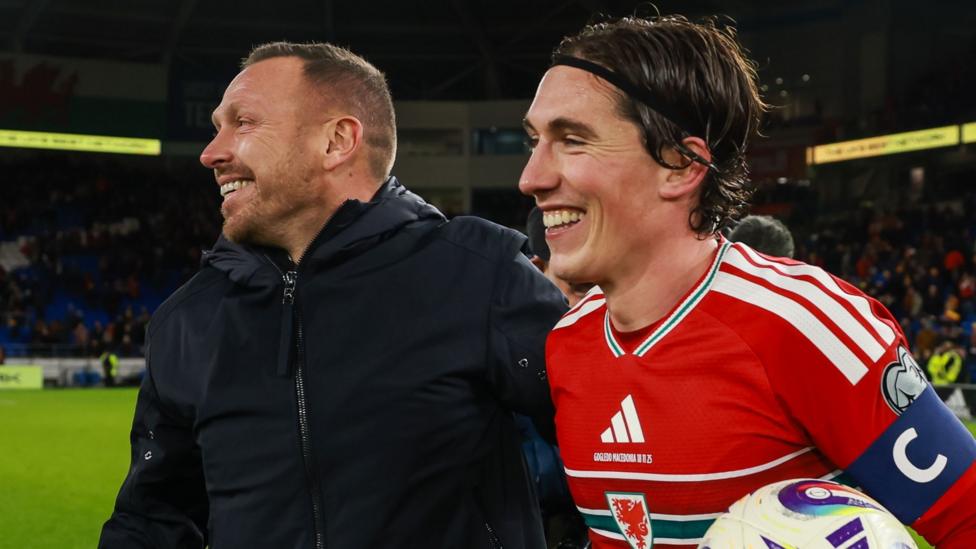
Bellamy Stays: Wales Keep Their Tactical Architect After Burnley Talks Collapse
Craig Bellamy remaining with Wales preserves a bold tactical project that could redefine the Dragons' identity for years.

World Cup Quiz No 29: The Art of Football's Guessing Game
Beyond the quiz lies a deep dive into the player who defines tournament mastery and tactical evolution.
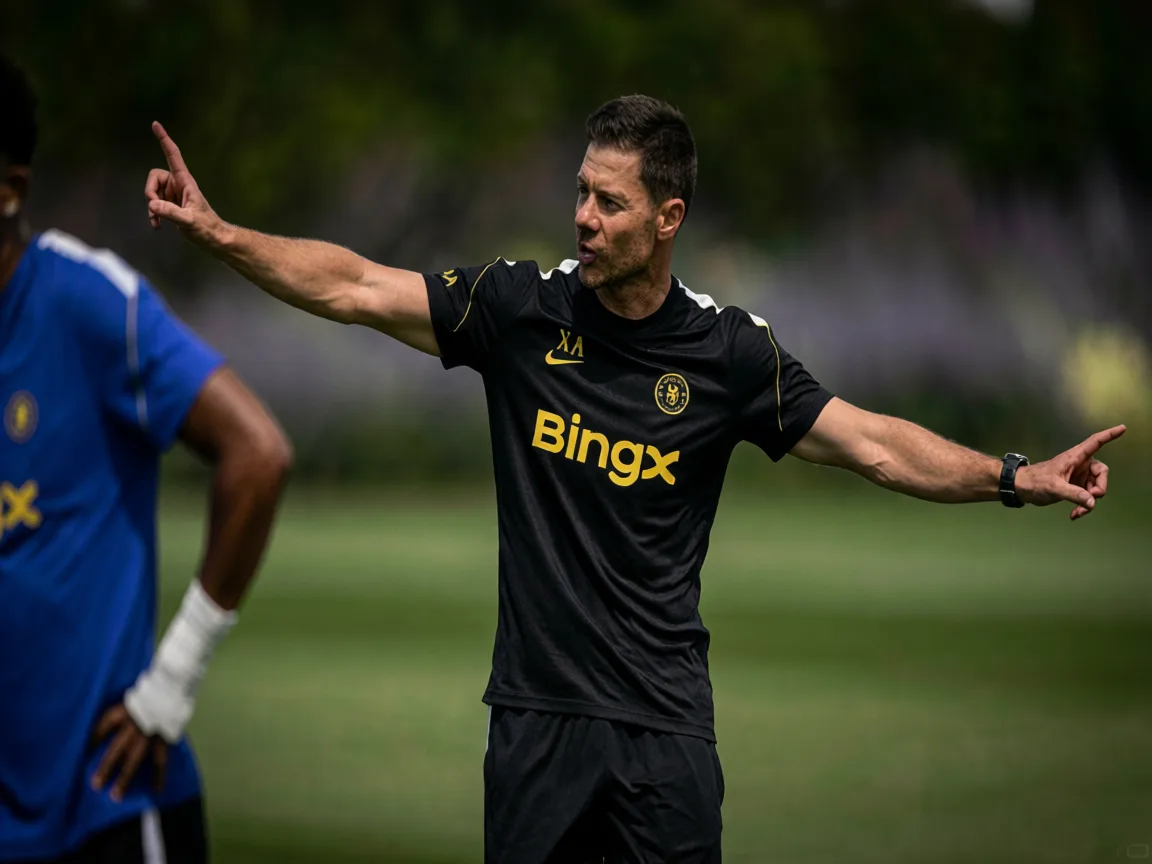
Alonso's First Week at Chelsea: Secret Friendlies and Youth Shockwaves
Xabi Alonso is reshaping Chelsea's culture before a ball is kicked, mapping a pre-season built on secrecy and youth auditions.