Coroner Rules Heading Footballs Caused Stiles' Brain Disease
A coroner formally concludes England World Cup hero Nobby Stiles died from a brain condition caused by repeatedly heading footballs.
A Verdict That Shatters Football's Longest Defence
A coroner has formally ruled that England's 1966 World Cup winner Nobby Stiles died with a brain condition directly caused by heading footballs. The inquest conclusion removes any lingering ambiguity about what destroyed the final years of a man who lifted the game's greatest prize. This is not a suggestion, a theory, or a correlation. It is a legal finding.
Stiles, who passed away in December 2020 at the age of 78, lived his final years battling advanced dementia. The coroner's determination confirms what his family had long argued and what medical researchers had documented in study after study. The leather balls of his era, heavy and unforgiving especially when wet, exacted a devastating toll.
For decades, football's authorities operated behind a wall of plausible deniability. Repeated heading, the argument went, had never been proven to cause long-term neurological harm. That wall crumbles entirely when a coroner attaches causation in a formal legal setting.
The Player Who Gave Everything
Stiles was not a peripheral figure in English football history. He was the midfield enforcer who marshalled the likes of Eusebio in the 1966 World Cup semi-final. He wore his false teeth loose on the pitch, played with a desperation that endeared him to a nation, and embodied a commitment to the shirt that became generational folklore.
His club career spanned nearly 400 appearances for Manchester United, where he won the European Cup in 1968 alongside Bobby Charlton and George Best. He later played for Middlesbrough and Preston North End before moving into management. Every step of that journey demanded heading the ball thousands of times in training and matches.
The image of Stiles dancing on the Wembley turf with the Jules Rimet trophy is etched into English sporting memory. The image of his final years battling neurodegenerative disease must now sit alongside it. The juxtaposition is harrowing and demands a response from the game that celebrates him.
The Science Behind the Verdict
The coroner's conclusion aligns with a growing and increasingly unequivocal body of medical evidence. Researchers at the University of Glasgow published a landmark 2019 study examining the health records of former professional footballers. They found that former professionals were three and a half times more likely to die of neurodegenerative disease than the general population.
A 2021 study by the same team specifically measured the risk associated with heading. Defenders, who headed the ball most frequently, faced a five-fold increased risk of neurodegenerative disease compared to matched population controls. The science isolates repetitive sub-concussive impacts as the primary driver of long-term damage.
Stiles was posthumously diagnosed with chronic traumatic encephalopathy (CTE), a progressive degenerative brain disease found in individuals with a history of repetitive head trauma. CTE can only be definitively diagnosed through post-mortem examination of brain tissue. The disease is characterised by the abnormal accumulation of a protein called tau, which kills brain cells and destroys cognitive function over time.
The coroner connected the CTE diagnosis to Stiles' professional football career with direct causation. This link matters profoundly because it moves the conversation from statistical risk to individual accountability.
A Locker Room Haunted by Silence
Imagine the atmosphere in the corridors of power at football's governing bodies the moment this verdict landed. There are no champagne flutes being clinked in the boardrooms of the Football Association or the Premier League now. Just the heavy, suffocating silence of administrators confronting a duty of care they failed to discharge for generations.
In the dressing rooms where current professionals learn their trade, the mood must shift too. Young players today head the ball less in training thanks to recent guidelines, but the Professional Footballers' Association faces an enormous challenge in supporting members who played in eras when heading was endlessly drilled. The fear among veterans forced to re-evaluate their own cognitive health will only intensify.
Football's Reckoning Was Already Underway
This coroner's ruling does not arrive in a vacuum. It follows a wave of high-profile diagnoses among former England internationals that forced the sport to confront its darkest open secret.
The family of Sir Bobby Charlton, Stiles' former teammate, confirmed his dementia diagnosis in 2020. Jeff Astle, the former West Bromwich Albion striker, died in 2002 at just 59. A coroner originally ruled his death by industrial disease, caused by heading heavy leather footballs, before reclassification sparked years of campaigning by his family.
The Astle family, alongside the campaigning charity Head Safe Football, has relentlessly pushed football's authorities toward accountability. They have faced bureaucratic inertia, slow-moving research panels, and institutional caution at every stage. The Stiles verdict represents the most explicit vindication of their efforts yet.
Football associations across the globe have implemented tentative measures in recent years. The English, Scottish and Irish FAs introduced heading restrictions in youth training back in 2020. The Premier League published headache and concussion protocols for 2022. However, these measures are retrospective patches rather than structural reform.
The Inadequacy of Piecemeal Reform
Despite incremental changes, the sport remains exposed. Heading practice in adult professional football is still a daily occurrence. Current guidelines limit heading in youth football but demand virtually nothing of senior professionals who face the highest cumulative risk over careers spanning two decades.
A 2023 study suggested that Introduction of lighter balls since the late 1980s may have reduced impacts. However, modern footballers head the ball with greater velocity and frequency than ever due to higher-paced pressing and Transition in the modern game. The contemporary risk profile is different. It is not necessarily Eliminated.
The Professional Footballers' Association has established a care fund to support former players living with neurodegenerative conditions. The charity Head Safe Football continues to campaign for a wider financial settlement from the game's multi-billion pound industry. However, support mechanisms Remain reactive rather than preventive.
What This Verdict Forces
The formal inquest conclusion changes the legal and moral landscape entirely. By establishing causation in a coroner's court, the gateway opens wider for compensation claims from affected families. It establishes a precedent that could ripple through the sport's governance structure for years to come.
Stiles' family spoke repeatedly of their devastation at watching a man of fierce independence lose his faculties. Their grief is now formally validated, but validation offers no comfort without action from the game he served. The coroner has done the job that football's administrators repeatedly failed to do.
"My dad gave everything to football. The least the game can do now is face the truth of what it cost him." — The sentiment echoed by the families of many affected former players.
The question facing the modern game is no longer whether heading causes brain disease. That debate is definitively settled. The only question now is what football intends to do about it.
What It Means
This verdict represents a watershed moment that demands more than sorrow. It requires football's global authorities to confront a moral obligation they have dodged for two decades.
The families of Stiles, Astle, Charlton and countless others deserve more than sympathy. They deserve a comprehensive care framework funded by the extraordinary wealth of the modern game. Legends who built the Premier League's cultural foundation should not face financial ruin while battling a disease their sport caused.
For current players, the immediate implementation of far stricter heading protocols in professional training is non-negotiable. Comprehensive, mandatory baseline cognitive testing for all professional footballers must follow. The culture that treats headaches as minor inconveniences to be played through must end now.
Nobby Stiles deserved to spend his final years in the light of his achievements. The coroner has confirmed darkness claimed him instead. Football cannot bring him back. But the game can finally honour him by ensuring no future generation of players pays the same unthinkable price.
Editorial Integrity
This is an original SportPulse article written by our editorial team. All content is independently researched, written, and reviewed by our writers and editors before publication. We do not publish copied, aggregated, or syndicated content.
SportPulse is committed to original sports journalism. Read our editorial policy or contact us with any questions.
More Like This
All football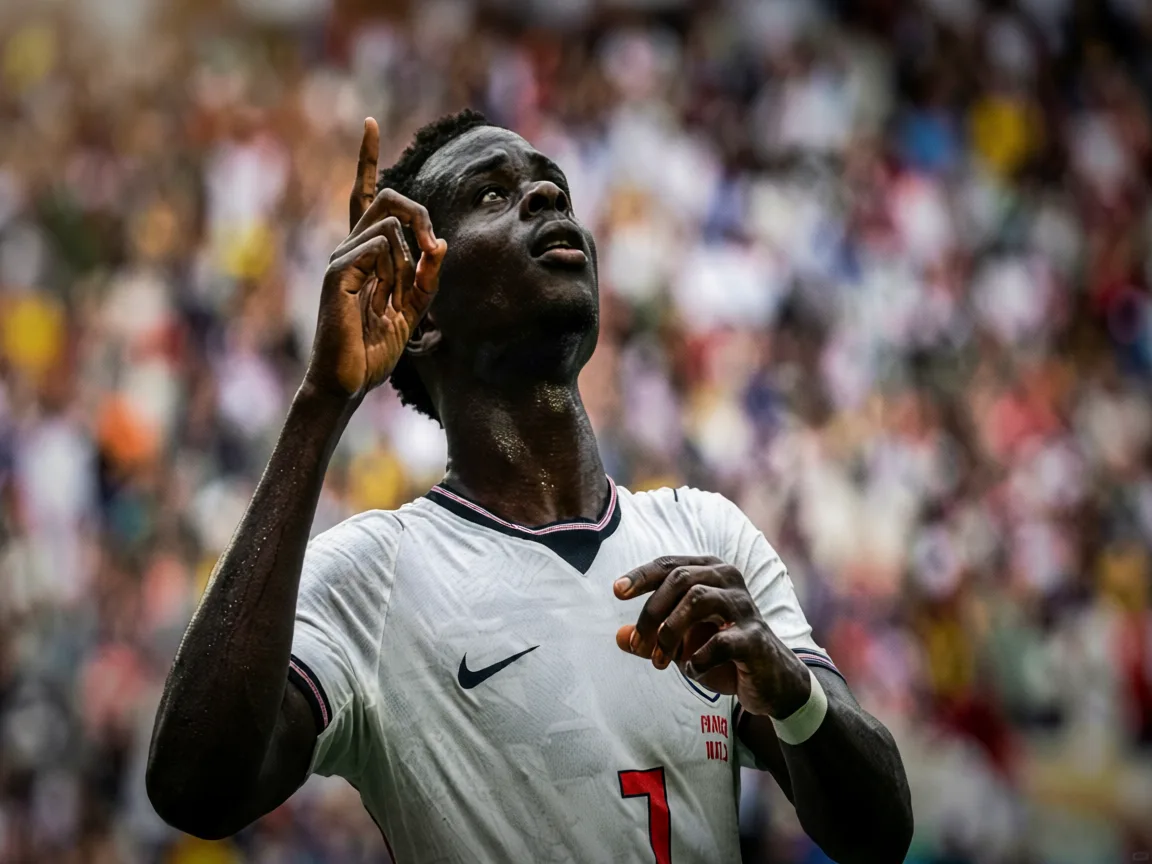
Saka's Masterclass Exposes Tuchel's Semi-Final Gamble
A hat-trick against France just made Bukayo Saka the most impossible omission in World Cup history.

The Art of the Twelve-Yard Duel: Decoding Penalty Strategy for the World Cup Knockouts
As the 2026 World Cup knockouts arrive, the science and psychology behind penalties could decide everything.
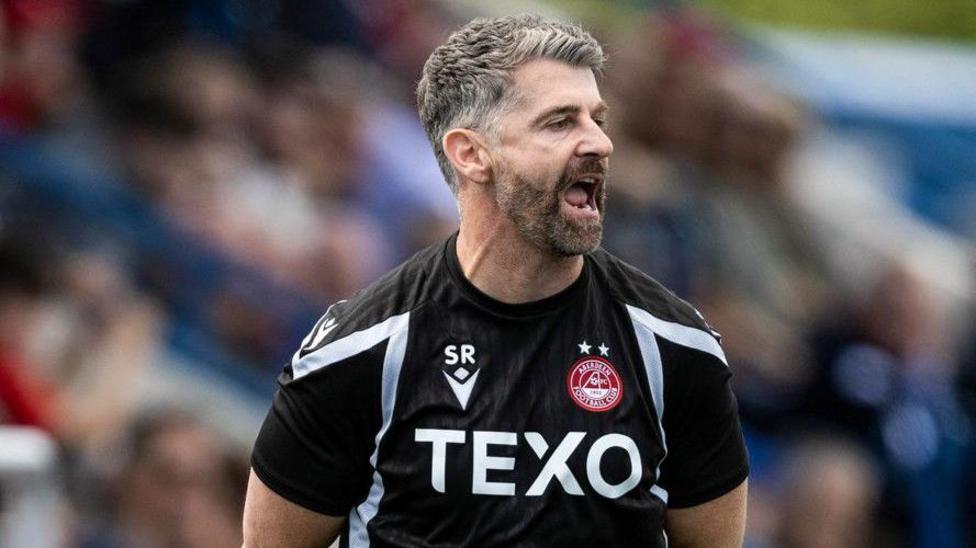
Robinson's Aberdeen Rebuild: Grit, Identity, and the Post-Robson Era
Stephen Robinson inherits an Aberdeen side craving stability, tactical identity, and a return to European relevance after a chaotic 2024-25 campaign.