Northern Powerhouse: Team GB Stars Back Shock Olympic Bid
British Olympians and Paralympians throw their weight behind a bold north of England bid to host the Games.
The North of England has never lacked attitude. It has never lacked atmosphere, identity, or an unyielding appetite for sporting drama. Now, a formidable coalition of current and former British Olympians and Paralympians wants the world to know it. They are throwing their weight behind a proposed bid to bring the Olympic and Paralympic Games to the region, driven by one undeniable truth.
"It has a passion for sport like no other place."
That quote is not mere civic boasting. It is a battle cry. It is a deliberate challenge to the established order of British sport, which has long funneled prestige, funding, and global spotlight toward the capital. This bid changes the conversation.
The Heart of the Proposal
For decades, the global gaze of the sporting world prioritized London. The 2012 Olympics cemented the capital as a seemingly permanent fixture on the world stage. But the North operates on a different frequency. Here, sport is woven directly into the civic fabric. It is not a spectacle that arrives with a corporate entourage; it is a tribal, lived experience passed down through generations.
The athletes backing this movement understand that intimately. They have competed in the world's most sterile, billion-dollar arenas. They have also walked out into the cauldrons of the North. They know the difference.
An Olympic bid rooted in this region is not about building new monuments to architectural ego. It is about tapping into a visceral, deeply ingrained sporting culture. A culture that sells out 50,000+-seat football stadiums week after week, rain or shine.
The Northern Fortress
To grasp the seismic potential of this bid, you have to understand the hardware already in place. This is not a blank canvas begging for infrastructure. This is a region that already breathes heavy, atmospheric sport on a grand scale.
- Old Trafford: A 74,310 capacity arena steeped in history
- Etihad Stadium: A modern 53,400 seater built for elite spectacle
- St James' Park: A 52,305 roaring amphitheatre looming over the city skyline
- Anfield & Goodison Park: Soon to be unified by two state-of-the-art waterfront arenas
- Headingley & The Oval: Historic venues prepped for cricket and athletics adaptations
London 2012 spent heavily to create an Olympic Park from scratch. The North already possesses the skeleton of a multi-city, multi-venue mega-event. The locations are raw, intense, and waiting to be activated.
Behind the Deal: The Economics of Ambition
Make no mistake: winning an Olympic bid is as much a corporate real estate play as it is a sporting celebration. The financial architecture behind a Northern bid is where the real intrigue lies. It is an aggressive statement of geopolitical intent.
The UK government's continuing "levelling up" agenda desperately needs flagship projects to justify its rhetoric. A Northern Olympics provides exactly that. It offers a catalyst for massive infrastructure overhauls: high-speed rail connections finally forced to completion, urban regeneration in post-industrial hearts, and global foreign direct investment directed away from the South East.
In 2012, the London Games cost approximately £8.77 billion. Adjusted for current inflation and regional construction costs, a spread-out, multi-city Northern bid could argue for a leaner, more efficient model. Leveraging existing Premier League and rugby stadiums drastically slashes the capital expenditure typically required for white-elephant venues that rot after the closing ceremony.
But the financial tightrope remains. Public backlash against governmental spending is ferocious in the current economic climate. The bid's architects must sell a compelling narrative: that this is not a luxury expenditure, but a strategic economic down payment.
The Voices in the Arena
The athletes' public endorsement is the critical first step in that sales pitch. Politicians can argue about spreadsheets and procurement until the end of time. But when decorated Olympians and Paralympians step to the microphone, the emotional weight shifts entirely.
Their message is stark. Stop hoarding the spotlight. The North possesses the crowds, the history, and the raw hunger to deliver an Olympics that feels genuinely authentic. They are not asking for a favour. They are presenting an asset.
"A passion for sport like no other place."
When you have pushed your body to the absolute limit, you recognize real energy versus artificial enthusiasm. The North's sporting energy is as real as it gets.
London 2012 vs. The Northern Vision
The ghosts of London 2012 loom large over any British bid. That summer was a triumph of organization and narrative. Yet, the Northern pitch must not attempt to mimic the London blueprint. It cannot afford to. It must weaponize its differences.
London offered polish, royalty, and global友人 cosmopolitanism. The North offers grit, community, and seismic noise. Imagine the men's 100m final not in a bespoke, billion-pound bowl, but in a reconfigured football cathedral where the acoustics rattle your chest cavity. Imagine Paralympic athletes feeding off the raw energy of working-class crowds who live and die by their weekend results.
The atmosphere would be unrelenting. It would be intoxicating. It would terrify visiting athletes unaccustomed to such fury. And the International Olympic Committee knows that compelling television is built on atmosphere, not architecture.
What Happens Next
The road to hosting the Games is a political marathon littered with diplomatic landmines. A formal bid committee must formally coalesce. It needs cross-party political backing at local, regional, and national levels. Corporate sponsors must be seduced. And the public must be convinced that this is a vision worth fighting for, not a burden.
The International Olympic Committee's Future Host Commission is watching closely. They want flexibility, sustainability, and regional , not a repeat of the bloated, ruinous budgets of the past. A Northern bid ticks those progressive boxes perfectly.
The next milestone is formal government recognition and preliminary funding. If the Chancellor's next budget hints at Olympic infrastructure allocation for the North, the game accelerates dramatically. Until then, the athletes' endorsement serves as the spark.
A Northern Olympics is no longer a pub fantasy. It is a proposal with serious momentum, elite backing, and the infrastructure to force the issue. The passion is undeniably there. Now the hard negotiations truly begin.
Editorial Integrity
This is an original SportPulse article written by our editorial team. All content is independently researched, written, and reviewed by our writers and editors before publication. We do not publish copied, aggregated, or syndicated content.
SportPulse is committed to original sports journalism. Read our editorial policy or contact us with any questions.
More Like This
All long-reads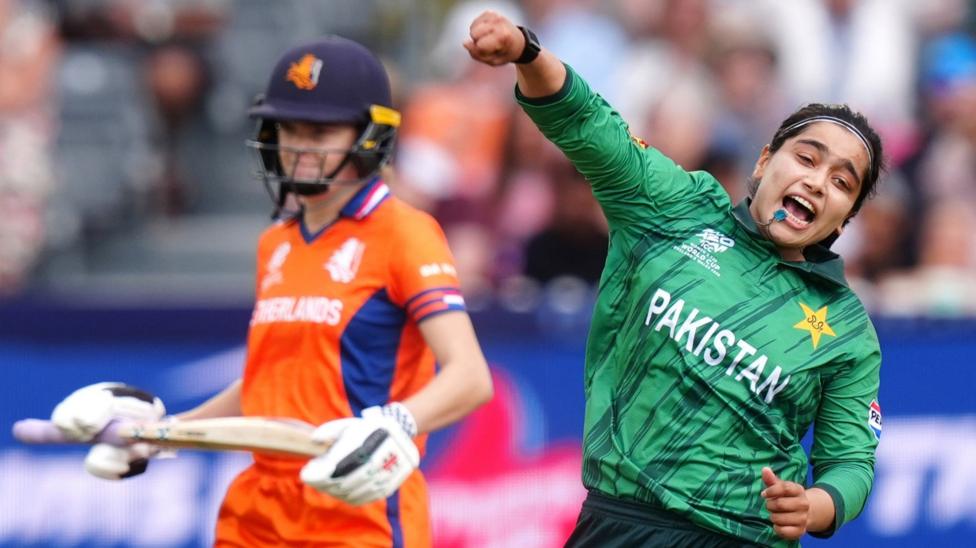
Pakistan Salvage Pride with Clinical Win Over Netherlands in T20 World Cup Finale
A 37-run victory offers Pakistan a silver lining in an otherwise underwhelming campaign.
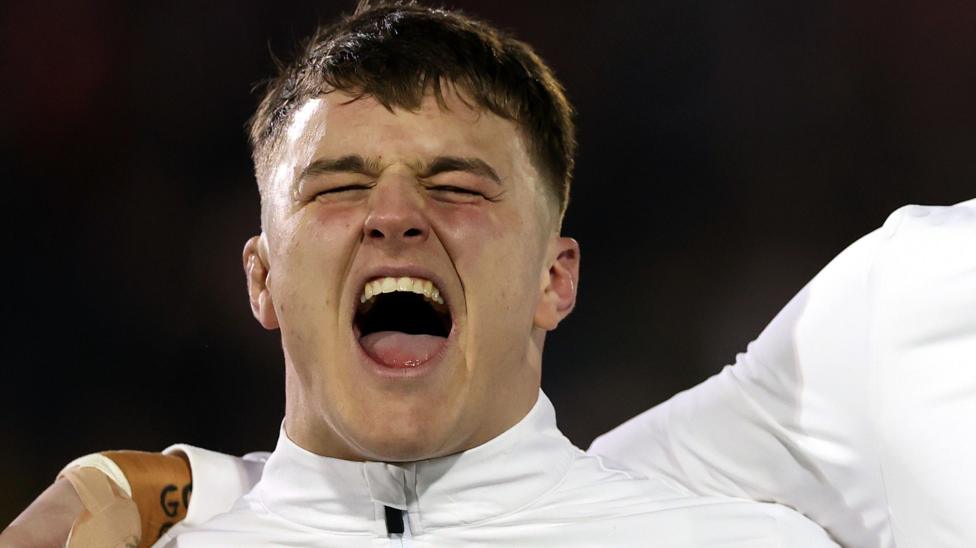
Kelly Red Card Exposes England U20 Tactical Fragility in Semi-Final
Seb Kelly's headbutt dismissal exposed England U20's tactical fragility and ended their World Rugby U20 Trophy bid.

YouTube Star Brad Dalke Embraces DP World Tour Spotlight
Internet sensation Brad Dalke feels the love on his DP World Tour debut, proving digital fame translates to real-world crowds.