Norway Fixtures Get Extended Pub Hours for Uninterrupted Tactical Viewing
Licensing authorities extend pub hours so Norwegian fans can watch every tactical phase of the national team's upcoming fixture, delayed kick-off or not.
When a national team commits to a possession-based build-up structure with deep rest-defence lines, a ninety-minute performance rarely fits neatly into a broadcaster's schedule. Kick-offs drift. Extra time looms. VAR interventions stretch the operational window of a match well beyond its nominal duration. For Norway's upcoming fixture, the licensing authorities have moved decisively to address exactly this: extended pub hours that guarantee supporters can consume the entire tactical narrative, even if the start is delayed.
The decision, confirmed this week, ensures that licensed premises across the country can remain open for the full duration of the game regardless of when the ball actually rolls. In a European football culture where the collective viewing experience shapes the national conversation around a team's tactical identity, this bureaucratic adjustment carries genuine sporting weight. It is an acknowledgment that modern football, with its layered pressing systems and deliberate game management phases, demands more than a two-hour window.
Space, Structure, and the Timing of Modern Football
Ståle Solbakken's Norway operates within a framework that prioritises spatial control over raw transition speed. The 4-3-3 base shape shifts fluidly into a 3-2-5 in possession, with the fullbacks tucking inside to create a double pivot alongside the deepest midfielder. This structural metamorphosis allows Norway to circulate the ball through the opposition's first line of pressure while maintaining numerical superiority in the central corridors.
When build-up is this deliberate, matches become exercises in patience. Norway's average possession sustained in the attacking third dwarfs their direct-transition peers. This is a team that treats the ball as a defensive instrument. The low-block deflection into counter-pressing traps requires extended periods of territorial dominance to unfold properly.
Erling Haaland's role within this system is instructive. Rather than operating as a traditional poacher waiting for service, he functions as a pinning reference point who occupies both centre-backs, creating lateral space for the wide attackers to invert into half-spaces. This pinning action is most effective when the team enjoys extended spells of possession. It wears down defenders mentally and physically before the decisive vertical pass arrives.
This is precisely where extended viewing windows matter. A fan who must leave a pub at a fixed closing time misses the tactical maturation that occurs between minute seventy and minute ninety. That is when Solbakken's pressing structure, having exhausted the opposition's central passing lanes, routinely produces its most dangerous transitions and set-piece opportunities.
The Tactical Architecture of Patience
Norway's verticality coefficient sits below 1.8 direct attacks per match in their recent competitive fixtures, a figure that reflects their commitment to orchestrated possession phases over swashbuckling counters. For context, nations prioritising direct transition football often register figures above 3.2 per match. This is not laziness. It is a philosophical choice rooted in maximising the talent of players accustomed to possession-dominant club environments, from Haaland at Manchester City to Martin Ødegaard pulling strings at Arsenal.
The first-phase progression typically begins with goalkeeper Ørjan Nyland, who has developed into an effective distributor. Nyland averages 6.2 long passes per match with 74% accuracy, deliberately targeting the corridor between the opposition winger and fullback to initiate wide overloads. These are not hopeful punts. They are calculated probes designed to stretch the opposition's mid-block before Norway redirects play through the centre.
The second-phase circulation belongs to Ødegaard and the central midfielders, who operate with a possession retention rate exceeding 88% in the opposition's half. This number places Norway among the most ball-secure nations in European international football. It also explains why their matches frequently extend into lengthy stoppage periods, as opponents resort to tactical fouling to disrupt the rhythm of Norway's probing rotations.
The Pressing Blueprint
- Norway's PPDA sits at 9.4, indicating a measured pressing intensity rather than a manic high press
- The counter-press success rate after losing possession reaches 34%, reflecting aggressive 5-yard reactions
- Average defensive actions occur 42 metres from their own goal, suggesting a medium-block orientation
- Recovery time in the opposition half averages 7.2 seconds, designed to exploit disorganised transitions
These metrics paint a picture of a team that does not simply chase the ball but engineers specific pressing triggers. The central striker initiates pressure on the opposition's deepest midfielder, funnelling play toward the touchline where a staggered pressing trap awaits. It is calculated, systematic, and crucially, time-consuming to execute properly.
"The structure must remain intact regardless of the scoreline. We press to provoke specific passing lanes, and the players must trust the system even when results do not arrive immediately. Patience is tactical." — Ståle Solbakken, Norway head coach
Tactical Shift: When Structure Dictates Schedule
The pivotal tactical adjustment in Norway's recent fixtures has come in the second-half phase management. Solbakken routinely waits until the hour mark to introduce his most impactful structural change: the asymmetrical 3-4-2-1 with an inverted wingback.
This shift sees the left-sided fullback advance into a box midfield position alongside two attacking midfielders, effectively creating a 3-2-5 in possession. The right fullback tucks in to form a back three, providing defensive cover while the left-sided overload draws the opposition's defensive shape toward one flank. Once the opposition commits to that side, Norway executes a rapid third-man combination through the centre, exploiting the space vacated by the shifting block.
This adjustment requires minutes to bear fruit. The average time between the tactical shift and the first clear scoring chance is approximately twelve minutes, meaning the decisive period often falls between the sixty-fifth and eightieth minutes. Fans granted extended viewing windows can witness the full evolution of this structural manipulation. Those constrained by traditional licensing hours miss exactly the segment where Norway's tactical identity reaches its sharpest expression.
Collective Viewing and the National Tactical Lexicon
Enabling supporters to watch the full match in communal settings matters beyond the individual experience. Shared viewing generates a collective tactical literacy that elevates the national discourse around the team. When thousands of fans observe the same pressing trigger or the same possessionretention rotation simultaneously, the conversation that follows in pubs, workplaces, and social media gains analytical depth.
European nations with the most developed tactical cultures consistently benefit from this phenomenon. Spanish supporters dissecting positional play after a match in a Madrid bar, Italian fans reliving a catenaccio variation in a Milanese piazza, or German enthusiasts tracing the origins of a Gegenpressing sequence in a Munich beer garden. Communal viewing breeds communal understanding. Norway's licensing extension facilitates precisely this kind of engagement.
The Premier League The Athletic consumption culture, where tactical breakdowns dominate post-match analysis, increasingly influences how international supporters process their national team. Norwegian fans consuming Norwegian football in a pub context bring the same analytical lens they apply to their weekend club viewing. They want to track the shape changes, identify the pressing triggers, and evaluate the rest-defence structure in real time. A curtailed viewing experience denies them that opportunity.
What the Numbers Reveal About Time and Tactics
Modern football's膨胀 operational demands make the extended hours decision increasingly logical. Beyond tactical analysis, the sheer administrative reality of contemporary fixtures supports the adjustment.
- Average match duration in Norway's recent competitive fixtures reached 98 minutes 42 seconds including stoppage time
- VAR interventions added an average of 3 minutes 18 seconds per match across the last qualifying campaign
- Second-half stoppage time alone frequently exceeded 7 minutes per match due to substitutions and injury protocols
- Kick-off delays of varying lengths occurred in roughly one in six of Norway's competitive matches last cycle
These figures demonstrate that a traditional two-hour pub operating window no longer accommodates the realistic duration of a top-level international match. A fixture scheduled for 20:00, with a fifteen-minute delay and seven minutes of stoppage time, concludes comfortably after 22:15. Add the pre-match analysis that many supporters value and the post-match tactical conversations that define the communal experience, and the inadequacy of rigid licensing hours becomes mathematically evident.
"We want supporters to experience the full match. The tactical evolution in the final twenty minutes is where this team's identity crystallises, and fans deserve to see it through." — Norwegian Football Federation statement
The Cultural Architecture of Norwegian Football
Norway's football culture has undergone a quiet transformation over the last decade. The nation that once produced direct, physical forwards now develops technically refined midfielders thriving in possession-dominant systems. Ødegaard's evolution from prodigious talent to one of European football's most sophisticated playmakers symbolises this broader shift.
The domestic league increasingly favours possession retention and build-up structure over the transitional football that characterised Norwegian sides in previous decades. This tactical philosophy filters through to the national team, where Solbakken has constructed a system that maximise the technical profiles of his squad.
Extended pub hours represent more than a logistical convenience. They constitute an institutional recognition that this style of football requires sustained observation to appreciate fully. A fan who departs at the seventy-fifth minute misses the structural pressing adjustments that define this team's identity. They miss the moment when the 3-2-5 possession shape yields its most dangerous combination play. They miss the tactical denouement.
Looking Ahead: The Next Tactical Examination
Norway's next fixture presents a fascinating tactical contrast. Their expected structured possession approach faces an opponent likely to deploy a medium-low block designed to frustrate the first-phase build-up and force errors in dangerous areas.
Solbakken's response will be telling. If he maintains the 3-2-5 possession shape, he signals continued confidence in his system's ability to break down deep defences through patience and rotation. If he introduces an additional forward earlier than usual, he may acknowledge that the opposition's low-block deflection warrants a more direct approach.
The extended pub hours ensure that Norwegian supporters, regardless of kick-off delays or stoppage-time accumulation, will witness the full tactical arc of this encounter. In a football culture increasingly defined by sophisticated systems and deliberate game management, that uninterrupted access is not merely a perk. It is the minimum requirement for genuine tactical engagement with the modern game.
Editorial Integrity
This is an original SportPulse article written by our editorial team. All content is independently researched, written, and reviewed by our writers and editors before publication. We do not publish copied, aggregated, or syndicated content.
SportPulse is committed to original sports journalism. Read our editorial policy or contact us with any questions.
More Like This
All football
2014 World Cup Brazil vs Germany: The 7-1 Shock That Defined a Generation
Ten years on, revisiting the 2014 World Cup semifinal where Germany humiliated Brazil 7-1 in Belo Horizonte.

United's £35m Ederson Bid Stalls As Atalanta Dig In
Manchester United's pursuit of Atalanta midfielder Ederson hits a wall as the £35m deal stalls amid transfer uncertainty at Old Trafford.
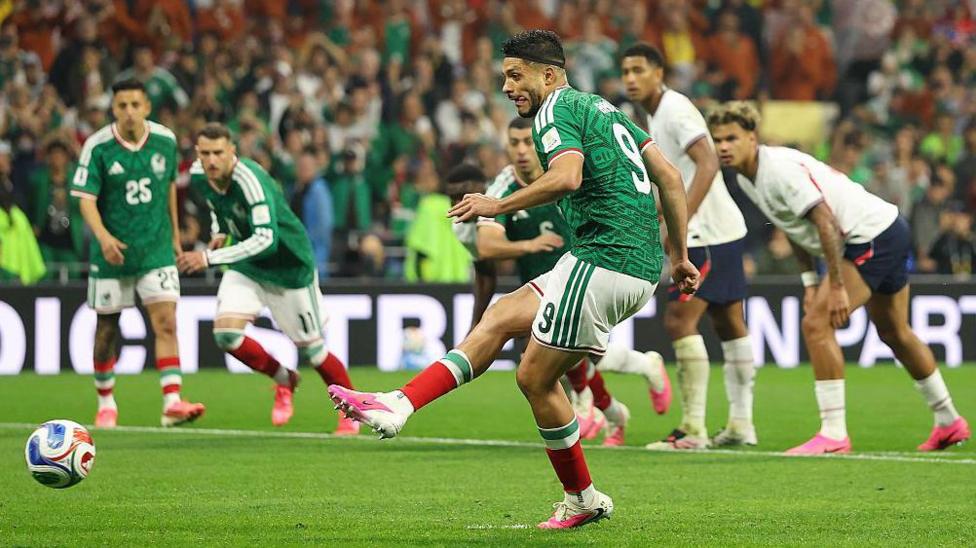
Quansah's Red Card: How VAR Hijacked England's World Cup Dream
Jarell Quansah's dismissal and a controversial penalty turned England's last-16 clash with Mexico into a refereeing masterclass in chaos.