Norway Channel Viking Spirit in Bold World Cup Squad Reveal
Norway's squad ditched standard suits for full Viking regalia, sending a psychological war cry ahead of the World Cup.
Armor clinked in the dressing room. Heavy furs draped over shoulders built for the physical grind of international football. For one afternoon, the Norway national team stopped being just a collection of elite athletes and transformed into something older, louder, and far more intimidating.
In a move that broke the mold of modern media days, the Norway squad dressed as Vikings for their official World Cup team photo.
Cashmere suits and polished loafers were discarded. In their place: reproduction chainmail, iron helmets, and wooden shields. The visuals are stunning, but the message behind them is calculated.
"We are not coming to the tournament just to make up the numbers. We are coming to conquer."
Behind-the-scenes footage released by the squad captured the transition. Players laughed, adjusting helmets and hefting replica axes, but the final image told a different story. It spoke of unity, heritage, and an unapologetic embrace of an aggressive identity.
The Death of the Boring Suit Photo
For decades, international tournaments have forced players into a rigid visual template. Stand in a line. Wear the federation's official tailored suit. Stare blankly at the camera. Repeat.
The results are instantly forgettable. A grid of well-dressed athletes that tells you nothing about the culture of the team or the hunger of the squad.
Norway recognized the absurdity of this tradition and weaponized their alternative. The Viking photoshoot is a masterclass in pulling focus. On a day where every competing nation releases a sterile, corporate image, Norway went theatrical.
But this was not a chaotic morning-of decision. The level of detail in the behind-the-scenes footage suggests meticulous planning.
- Full period costumes tailored to fit oversized athletes
- Authentic props including shields and axes approved by safety protocols
- Dedicated styling team adjusting furs and armor on set
Every element was engineered for maximum virality. And it worked.
Identity as Intimidation
Modern football analysis often ignores the psychological edge. We obsess over pressing triggers and expected goals (xG), dismissing the visceral impact of a team stating exactly who they are.
Norway's choice to dress as Vikings is not just a nod to history. It is a declaration of tactical and mental intent. The Viking archetype represents unrelenting pressure, collective raiding, and a refusal to back down from physical confrontation.
That maps perfectly onto how this Norway team wants to play. They are not a side that prioritizes possession over penetration. They are built to transition quickly, hit hard on the counter, and dominate in the air.
"When you put on the armor, you feel the weight of the history. You stop playing for yourself and start playing for something bigger."
Consider the psychological impact on opponents. Pre-tournament preparation involves analyzing video, scouting set-piece routines, and reviewing physical data. It does not prepare you for a squad that visually aligns itself with historical conquerors. It plants a seed of doubt.
The Numbers Behind the Narrative
The Viking aesthetic is not just a brand play. It is backed by the raw data of how Norway demands to play on the pitch.
- 58% of Norway's goals in the last qualifying cycle came from set pieces or direct counter-attacks
- They ranked in the top three in Europe for aerial duels won per match
- 19 clean sheets in their last 27 international outings
They punish mistakes. They defend their territory with an organized ferocity that mirrors the shield wall their ancestors famously employed. The photoshoot is the culture; the matchday execution is the proof.
Behind the Deal: The Business of the Brand
This kind of visual disruption does not happen by accident. Get it wrong, and it becomes a viral embarrassment. Get it right, and you redefine a nation's footballing brand globally.
Norway's football federation has increasingly pushed to differentiate their commercial identity in a crowded European market. Without the established club-culture gravitational pull of neighboring Sweden or Denmark, Norway has often struggled to capture the global imagination.
Dressing the squad as Vikings solves a structural marketing problem.
"Heritage is the one asset you cannot fabricate. You either have a thousand years of mythology, or you do not."
The Commercial Playbook
- Merchandise launch: Authentic replica Viking jerseys and fan gear are expected to drop before the tournament kicks off
- Social engagement: The behind-the-scenes video generated massive early interaction, pushing Norway into the conversation alongside traditional powerhouses
- Sponsor activation: Kit partners gain unique, non-standard campaign imagery that cuts through the standard advertising noise
The commercial upside is significant. But the squad's willingness to fully commit to the bit is what makes the brand activation successful. Players did not merely wear costumes. They inhabited the characters. That authenticity cannot be purchased.
The Shadow of Past Campaigns
This bold visual identity also serves as a necessary palate cleanser. Norway has tasted the frustration of near-misses and agonizing qualifying campaigns in recent years.
The weight of failing to reach major tournaments has historically made the national team feel cautious, almost apologetic. The Viking shoot is a deliberate strike against that lingering pessimism.
It demands that fans, media, and the players themselves view this team through a completely different lens. The past matters less than the mentality of the present squad.
By literally dressing as warriors, they force a narrative reset. They are no longer the nearly-men of Scandinavian football.
What This Means for the World Cup
Do costume photos win football matches? Absolutely not. Opposing teams will not be intimidated by a photograph.
But the internal psychological shift is what matters. When a squad goes through an experience like this together, stepping outside their routine and embracing a shared theatrical identity, it forges bonds that drills cannot.
The message is now clear to their group stage opponents. Norway will not be passive. They will not sit deep and hope for a draw. They view every match as a raid.
They are coming to impose themselves.
The Viking dress-up will dominate the pre-tournament headlines. It will be mocked by some rival fans and celebrated by others. Yet when the referee blows the whistle, and the first long throw crashes into the penalty box, the aesthetic will suddenly feel very real.
Norway arrived at the World Cup with a permanent visual statement. Now they have to prove the armor was not just for the cameras.
Editorial Integrity
This is an original SportPulse article written by our editorial team. All content is independently researched, written, and reviewed by our writers and editors before publication. We do not publish copied, aggregated, or syndicated content.
SportPulse is committed to original sports journalism. Read our editorial policy or contact us with any questions.
More Like This
All football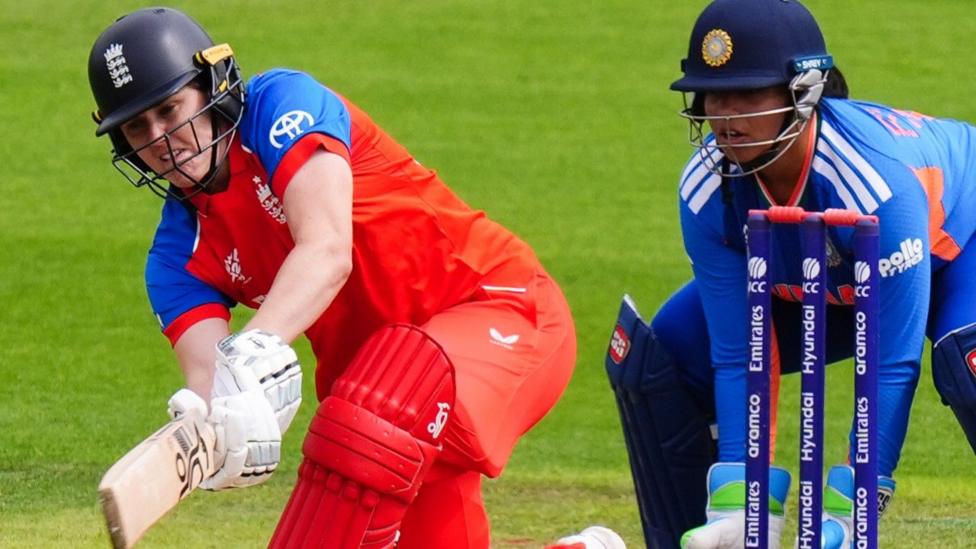
Sciver-Brunt's Return to Form Fixes England's World Cup Engine
Nat Sciver-Brunt's vital middle-order rhythm in the final warm-up win over India solves England's biggest procedural flaw ahead of the T20 World Cup.
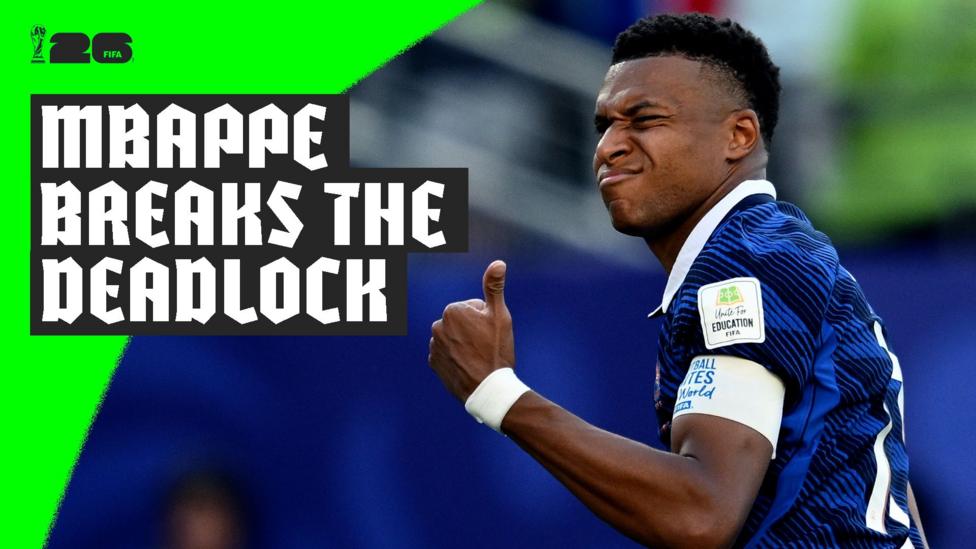
Mbappe Reaches Seven World Cup Goals as France Punish Paraguay
Kylian Mbappe's ice-cold penalty against Paraguay takes him to seven goals at the 2026 World Cup, cementing his status as football's ultimate big-game predator.
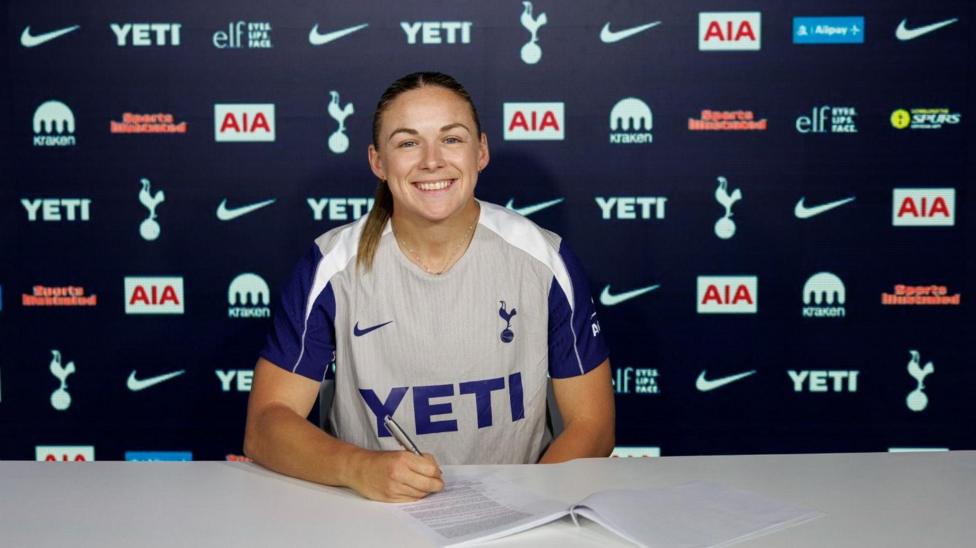
Tottenham Land Scotland Star Hanson From Aston Villa
Spurs bolster their attacking options by prising Scotland international Kirsty Hanson away from Aston Villa for an undisclosed fee.