Linda Noskova Won Wimbledon and Wants to Change the World
Most champions chase more titles and luxury. Wimbledon winner Linda Noskova, 21, wants her platform to help the planet.
The Champion in the Small Room
The Venus Rosewater Dish does not sit in the trophy cabinet of the All England Club's interview room. There is no silverware gracing the modest space tucked away from Centre Court. It is merely a functional space where dreams are processed. This is where the 21-year-old Czech champion sat, eating pasta right after securing the most prestigious title in tennis.
Linda Noskova does not fit the conventional mold of a Wimbledon champion. Most new winners of the tournament speak of the adrenaline still coursing through their veins and the immediate desire to repeat the feat, or they rattle off luxury wishes. Noskova munched on carbohydrates in a small interview room and discussed her desire to help the planet.
She is assuredly the first woman to conquer the Championships of Wimbledon while wearing a nose ring. The small piece of jewelry remained fixed in place even as she lunged across the grass, chasing down drop shots and firing forehands past her opponents. She anticipated that the accessory might draw commentary from traditionalists who revere the pristine aesthetic of the tournament.
“I was maybe counting a little bit [on] someone having some things to say about it, but no one said anything bad.”
The tennis establishment, for once, simply let her play. The true distinction of Noskova, however, is not her choice of facial jewelry. It is her immediate and fierce desire to transform her athletic success into a vehicle for global good rather than personal enrichment.
The Philosophy of a Different Champion
Modern tennis is a treadmill of relentless ambition. Young champions are quickly swept into the machinery of endorsements, exhibition matches, and the perpetual chase for ranking points. The system is designed to keep players thinking only of the next tournament and the next check. The blueprint has remained unchanged for decades.
Noskova is actively rejecting that blueprint.
“This is definitely one of the main [reasons] why I’m playing tennis. I want to have the voice not only on court but off court to possibly make a difference about some stuff. If I’m going to start with literally, recycling or helping nature, or helping people in need in different countries, it’s all on my bucket list.”
This is not a rehearsed public relations statement. This is a champion eating pasta and mapping out a humanitarian agenda. Tennis players usually keep a bucket list of milestones: completing a Career Grand Slam, reaching the world number one ranking, winning an Olympic gold medal. Noskova’s list includes recycling and international aid.
Her approach is stark against the history of the sport. The professional era has produced legends who are fiercely protective of their brand, carving out legacies built entirely on victory margins and weeks at the top. The 21-year-old from the Czech Republic is carving out something entirely new. She views the trophy not as an endpoint but as a megaphone.
Winning Wimbledon grants a player a unique form of social capital. The title commands instant attention and opens doors that remain shut to almost everyone else. Noskova intends to walk through those doors with purpose. The visibility of a Grand Slam champion is profound, and she seems to understand that this visibility has a shelf life.
She intends to use that visibility before it fades.
The Burden of the Crown
The** Czech Republic** holds a rich tradition of women’s tennis that extends far beyond the borders of the central European nation. The nation has produced a relentless assembly line of champions who dominate the sport with icy precision and fearsome power. Noskova is now the latest standard bearer for this tradition.
Martina Navratilova redefined the sport with her athleticism and courage. Petra Kvitova brought thunderous left-handed power to the lawns of Wimbledon and claimed the title twice. Barbora Krejcikova added her name to the honor roll of tennis legends. Noskova now stands alongside them, carrying the weight of a tennis-mad nation on her shoulders.
The pressure of a maiden Grand Slam title can crush a young player. The hyper-focus on defending ranking points and managing expectations often leads to a sophomore slump that derails promising careers. The story of tennis is littered with one-Slam wonders who could not handle the psychological weight of being a champion.
Noskova’s broad worldview offers a buffer against that pressure. A player who views tennis merely as a tool for philanthropy is less likely to spiral into despair over a second-round exit at the Australian Open. Detachment from the tennis bubble can be a competitive advantage. The perspective she brings to the sport makes her remarkably resilient on the court.
By refusing to let tennis consume her entirely, Noskova protects her mental health and ensures her longevity in a brutal sport. A broader vision provides a profound sense of enduring, unshakable calm.
A Shift in Sports Stardom
The modern athlete is no longer just a competitor; they are increasingly a social entrepreneur. The idea of the socially conscious athlete has gained significant traction over the past decade. Young stars today are born into a world of instant global communication and are acutely aware of social, environmental, and political issues that previous generations chose to ignore.
Noskova represents the vanguard of this movement in women’s tennis. The desire to speak about recycling and global poverty right after winning the most traditional tournament in the sport signals a generational shift. The All England Club with its strict dress code and royal patronage represents the past. Noskova, with her nose ring and humanitarian agenda, represents the future.
Tennis has always been an individual sport played in a vacuum. The isolation of the tour can make players intensely self-focused. A player can spend eleven months a year traveling from one walled complex to another, completely detached from the communities they visit. Noskova’s desire to step outside that vacuum is both refreshing and necessary for the evolution of the sport.
She has the potential to attract a new demographic of fans to tennis. A demographic that cares about the values of the person holding the racket, not just the velocity of the serve. The sport desperately needs personalities who can transcend the baseline and connect with the broader culture.
Career by Numbers
-
21 years old at the time of her historic Wimbledon triumph
-
1st woman to win Wimbledon while wearing a nose ring
-
0 traditional luxury items on her post-championship bucket list
-
100% of her post-match focus directed toward philanthropic goals
The Legacy Beyond the Baseline
The legacy of a tennis player was once defined solely by statistics and silverware. The number of Grand Slams captured and the weeks spent at world number one formed the entire metric of greatness. Noskova is quietly redefining the criteria for a modern legend.
If her career proceeds with the promise shown on the grass of Wimbledon, her trophy cabinet will inevitably fill up. The power of her forehand is matched only by the conviction of her character, and that combination is a rarity. Her first Grand Slam title will be remembered not just for the tennis she played but for the statement she made when she put down her racket.
You measure the impact of Linda Noskova not just by the titles she wins, but by the lives she touches. She is a champion who wants to make a difference in a world that extends far beyond the white lines of a tennis court. The Wimbledon champion with a nose ring has arrived, and she is determined to leave the sport, and the world, in a better place than she found it.
Editorial Integrity
This is an original SportPulse article written by our editorial team. All content is independently researched, written, and reviewed by our writers and editors before publication. We do not publish copied, aggregated, or syndicated content.
SportPulse is committed to original sports journalism. Read our editorial policy or contact us with any questions.
More Like This
All tennis
Ten Out of Ten Losers: Britain's Chastening Wimbledon Meltdown
All ten British players who finished their matches lost on a historically bleak opening day at SW19.
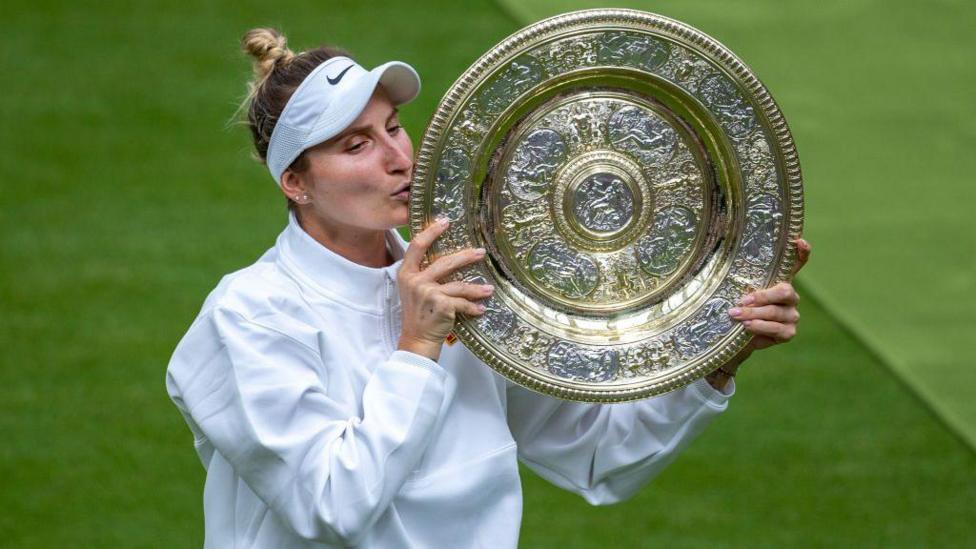
Vondrousova Banned Four Years for Doping Test Refusal
Marketa Vondrousova's career faces ruin after a four-year ban for refusing an anti-doping test in December 2025.
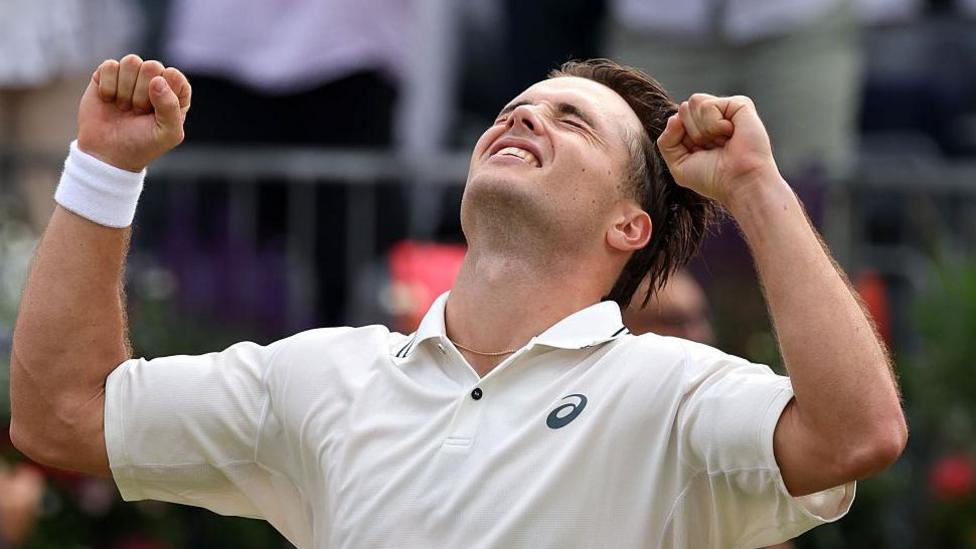
Fery Shocks Mannarino to Reach Queen's Quarters
British wildcard Arthur Fery delivered a career-best performance at Queen's Club, upsetting Adrian Mannarino to keep home hopes alive.