Mollie O'Callaghan Defies Doctor's Orders to Chase Glasgow Glory
Told to stop swimming immediately last month, the Olympic champion is betting everything on Glasgow.
The Starting Block
Mollie O'Callaghan stood on the deck last month and heard the five words no athlete ever wants to hear.
"Stop swimming immediately."
That was the doctor's verdict. A medical professional looking at the data, the scans, and the toll that elite aquatic competition takes on a young body. For O'Callaghan, a swimmer whose life has been defined by laps and splits since childhood, walking away from the water was never an option.
But walking away from the Commonwealth Games? That was an impossibility.
O'Callaghan has confirmed she is fit to compete in Glasgow. This declaration comes weeks after medical advice strongly suggested she should not even be in the pool. The decision is brazen. It is defiant. It is the exact mentality that separates Olympians from the rest of the world.
She is not just swimming. She is actively choosing to gamble on her own body.
The Weight of the Warning
When a doctor issues an ultimatum to an athlete, the silence that follows is deafening. The medical advice was unambiguous: halt all training. The ethical framework of sports medicine relies on the principle that long-term health supersedes short-term glory. For O'Callaghan, peering at the horizon, the Glasgow Commonwealth Games represented a different kind of imperative.
An athlete's body is a fragile, unpredictable machine. It demands respect, care, and meticulous maintenance. When that machine throws a warning light, the smart move is always to pull into the pits. But sprinters are not wired for caution. They are wired to attack.
The underlying medical issue that triggered the doctor's stern warning has remained closely guarded. What is abundantly clear is the timeline. Less than a month ago, O'Callaghan faced a potential season-ending scenario. Today, she is preparing to race against the best in the Commonwealth.
That is not a routine recovery. That is a sprint.
The Athlete's Dilemma
The conflict between medical advice and athletic ambition is as traditional as the games themselves. Athletes operate on a four-year cycle. They see opportunities like Glasgow as finite resources. There is always another World Championship. There is always another Olympics. But a Commonwealth Games on home soil, in front of a partisan crowd hungry for aquatic supremacy? That is rare air.
"The doctors gave me the reality. But they don't feel what I feel when I'm in the water."
This is the eternal truth of elite sport. The medical staff quantify risk. The athletes chase legend.
O'Callaghan knows the gamble. She knows the potential cost of every flip turn and every explosive start off the block. She simply does not care.
The Glasgow Gauntlet
Glasgow represents a unique theater for swimming. The crowd is notoriously vocal, deeply invested, and eager to anoint new heroes. O'Callaghan, despite her youth, has already proven she can handle the brightest lights.
The field in Glasgow will be ruthless. There is no easing back into competition. Every single heat will be a war. Every final will demand a physiological output that breaks bodies.
For O'Callaghan, the calculus is brutally simple. She is pushing through a medical red flag to stand on a block in Scotland and race.
That takes a specific brand of courage. It is the kind of courage that looks reckless from the outside. But from the inside, from the vantage point of a competitor who has sacrificed everything for this sport, it looks like the only logical choice.
What the Stakes Look Like
The Commonwealth Games do not offer the global prestige of the Olympics or the prize money of professional leagues. What they offer is pride and regional supremacy.
For a swimmer like O'Callaghan, the decision to compete defies standard logic. She has nothing left to prove to the general public. But she has everything to prove to herself.
The medical staff who issued the warning are not villains in this story. They are the voice of reason. They represent the cold, clinical reality of sports science. They understand that a career is a marathon, not a sprint, and that competing through a medical warning can shave years off a swimmer's prime.
O'Callaghan is choosing the sprint.
"I know my body. I know what I can give. And I am not giving up my spot in Glasgow for anything."
The Anatomy of Defiance
What drives an athlete to ignore a doctor's explicit advice? It is a cocktail of adrenaline, nationalism, and the intoxicating lure of competition.
The pool is unforgiving. It does not care about personal narratives or medical warnings. It only cares about who touches the wall first. In Glasgow, O'Callaghan will face competitors who have trained without interruption. Competitors who have not spent the last month nursing a body that screamed for rest.
Yet, O'Callaghan's presence on the blocks sends a message. It tells the field she is not defeated. It tells her rivals that any podium celebration will have to go straight through her.
The narrative shift is dramatic. She is no longer just the favorite. She is the fierce underdog defying medical odds to defend her turf.
The Bigger Picture
When the starting buzzer sounds in Glasgow, the medical warnings will fade into the background. The crowd will roar. The water will churn.
O'Callaghan will be there. She will be swimming with a purpose that transcends timesheets and splits.
She was told to stop. She chose to go.
That choice is what makes sports compelling. It is the reason fans pack stands and tune in around the world. We are drawn to the athletes who look at the edge of the cliff and decide to jump.
Glasgow awaits. The water is ready. And Mollie O'Callaghan, medical warnings be damned, is ready to swim.
The pool does not adjudicate medical disputes. It only reveals who wants it more. O'Callaghan has staked her health, her future, and her reputation on the belief that she wants it more than anyone else.
Now she has to prove it.
Editorial Integrity
This is an original SportPulse article written by our editorial team. All content is independently researched, written, and reviewed by our writers and editors before publication. We do not publish copied, aggregated, or syndicated content.
SportPulse is committed to original sports journalism. Read our editorial policy or contact us with any questions.
More Like This
All long-reads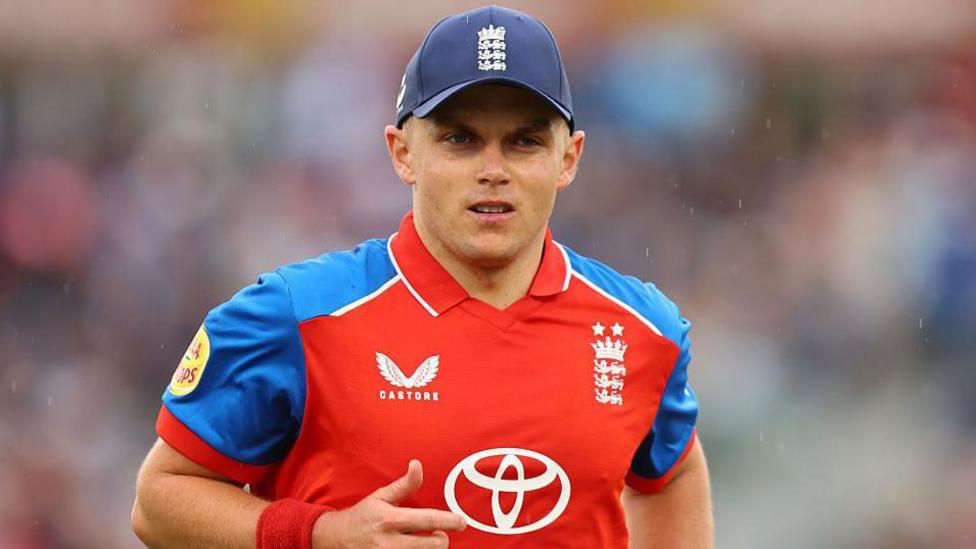
Curran to Replace Stokes? England's Allrounder Puzzle
Sam Curran wants to fill Ben Stokes' void but refuses to burden himself with expectations. England's selection puzzle just got more complicated.
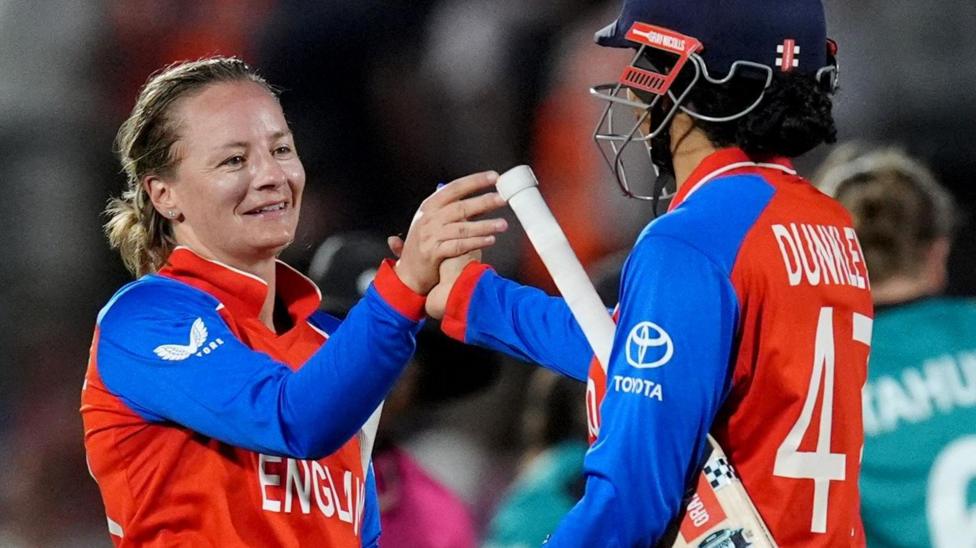
Wyatt-Hodge's Blazing 89 Sends England Storming Into T20 World Cup Semis
Danni Wyatt-Hodge's unbeaten 89 dismantled New Zealand as England women's ruthless T20 World Cup charge continues unchecked.
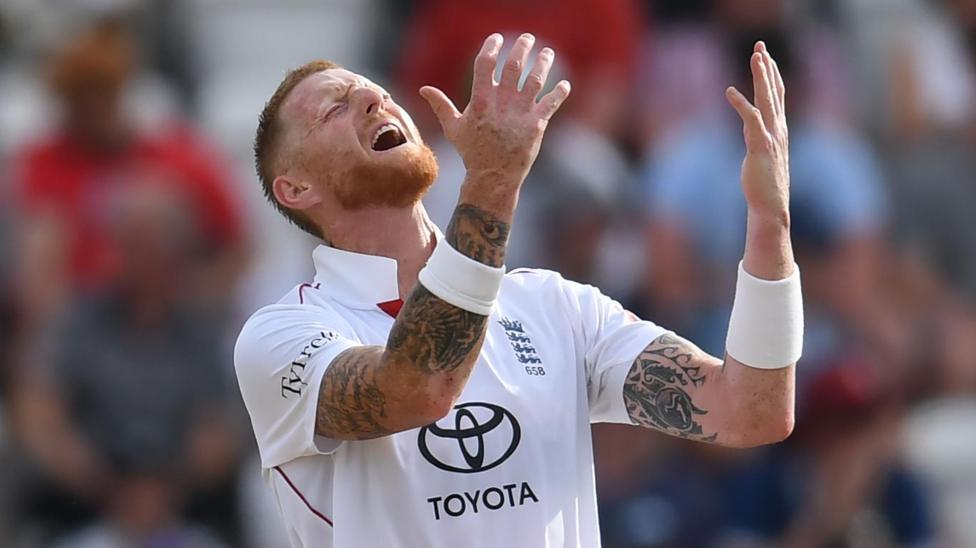
England Teetering at Trent Bridge as Test Decider Hangs by a Thread
A volatile third day at Trent Bridge leaves England staring down a series-defining collapse — and management in the crosshairs.