Cooper's Swansea Departure Reflects Harsh Championship Reality for Welsh Talent
Ollie Cooper's looming Swansea exit signals a club unable to nurture homegrown midfield talent amid Championship demands.
Cooper Loan Exposes Swansea's Midfield Identity Split
Ollie Cooper is set to leave Swansea City on loan for a League One club. The Wales international midfielder has struggled for minutes under Swansea's current setup, squeezed by a tactical shift toward heavier, more defensively structured midfield profiles.
The Swansea.com Stadium once served as a reliable launchpad for technically gifted Welsh midfielders built to thrive in a possession system inherited from the Brendan Rodgers and Michael Laudrup eras. Cooper is the latest Academy product hitting the limits of that inheritance.
A System Closing Around Him
Swansea operate from a 4-3-3 base with a single pivot and two advanced number eights tasked with interchanging laterally. That structure functions when the pivot has a reliable outlet ahead and the eights can press high. Recent matches have shown Swansea reducing the vertical distance between their midfield unit and the back four, dropping an advanced eight deeper alongside the pivot out of possession to form a 4-2-3-1. The result is a compact block that improves defensive coverage and limits the central space opponents exploit in combination play.
The trade-off falls heaviest on players like Cooper. His strengths are ball retention, sharp short passing, and finding pockets between opposition lines. In compressed structures the midfield priority becomes positional discipline, physical contesting, and recycling possession under immediate pressure. Cooper's profile does not match those demands, and Swansea's earlier-season willingness to commit bodies forward left the central midfield stretched against transitional counterattacks. The coaching response narrowed the spaces Cooper needs to operate.
Why League One, Why Now
The Championship plays at a tempo that punishes technicians without the physical framework to cope with rapid transitions. Teams routinely bypass first-line pressure with direct diagonals into the channels, compressing central corridors and forcing play wide. A creative midfielder whose primary value is distribution rather than ball-winning finds those conditions suffocating.
A League One loan drops Cooper into an environment where average pressing intensity is lower and a technically refined player gains time and space. The logic for Swansea's squad management is equally direct. Cooper sitting unused degrades both his competitive sharpness and his resale value. The club needs every squad member either contributing to Championship survival and mid-table consolidation or developing market value elsewhere. A loan preserves Swansea's control over a player who may yet become a saleable asset and keeps a return pathway open if the tactical orientation shifts again, which it frequently does across a season driven by managerial pressure and form swings.
The Academy Production Line Meets Pragmatic Reality
Swansea have produced technically refined midfielders consistently across recent seasons. The disconnect between that output and the senior squad's operating demands costs the club development time and transfer revenue. The irony is pointed. Swansea's possession identity, historically their most distinctive advantage, relied on exactly the kind of midfield technician Cooper represents. The club's drift toward pragmatic, physically heavier midfield configurations reflects how the Championship environment constrains even ideologically committed clubs over a grinding 46-game season.
Cooper's next competitive minutes will come in England's third tier. Swansea's rebuild, meanwhile, continues trending toward Championship-tested physical profiles over technically gifted homegrown players, a calculation that will shape their next transfer windows and determine whether the Academy production line remains a competitive asset or an increasingly incongruous relic.
Editorial Integrity
This is an original SportPulse article written by our editorial team. All content is independently researched, written, and reviewed by our writers and editors before publication. We do not publish copied, aggregated, or syndicated content.
SportPulse is committed to original sports journalism. Read our editorial policy or contact us with any questions.
More Like This
All football
Chermiti Commits to Rangers as Maeda Eyes Premier League Exit
Squad retention becomes the defining tactical challenge for Celtic and Rangers as Champions League revenue reshapes Scottish football's hierarchy.
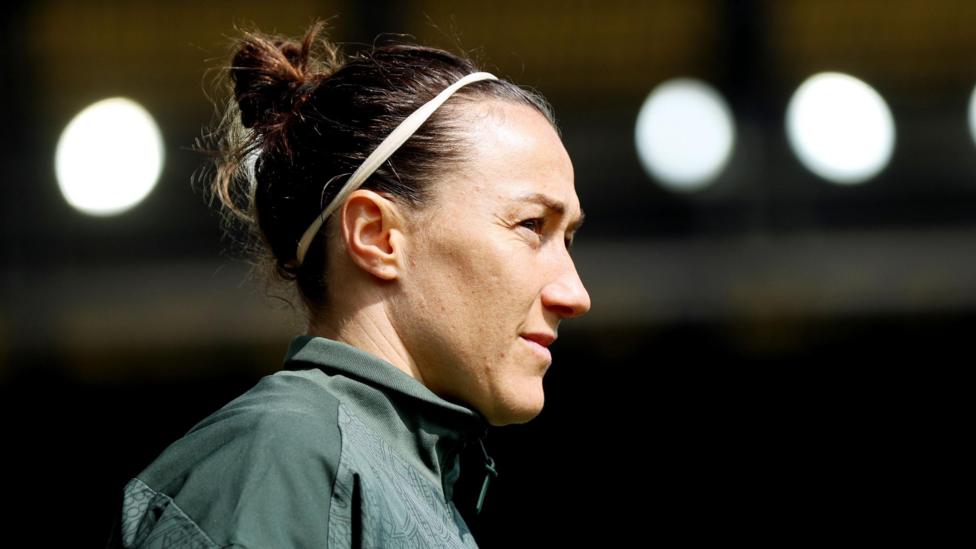
Lucy Bronze Commits Future to Chelsea with Contract Extension Through 2027
England's most decorated defender signs new deal, signaling Chelsea's intent to dominate domestic and European football.

LAFC's Larry Berg Voted Next MLS Commissioner, Succeeding Don Garber
The private equity partner becomes the league's third commissioner, ending a succession question years in the making.