O'Sullivan Set for Liverpool Exit Just Six Months After Record Signing
Liverpool's record signing Denise O'Sullivan is leaving after just six months, exposing deeper structural questions in the women's project.
A Swift and Stunning Reversal
Denise O'Sullivan is expected to leave Liverpool this summer. The timing is staggering: just six months after she arrived as the club's record signing. A move designed to be transformative is ending before it ever truly began.
The Republic of Ireland international joined the Reds in a January window that was supposed to signal serious intent. Instead, her tenure will be remembered as one of the shortest-lived marquee signings in the modern era. A mid-season arrival now becomes an off-season departure.
This is not a slow fade or a gradual parting of ways. This is a project that misfired almost from the opening whistle.
The Weight of a Record Tag
When O'Sullivan put pen to paper, the headlines wrote themselves. Liverpool had landed a proven operator with over 140 international caps for Ireland. She brought leadership, technical quality, and a competitive edge forged in the NWSL and on the international stage.
The fee, structured as a club record for the women's side, carried an implicit promise. Liverpool were not merely shopping in the market; they were making a statement about ambition within the Women's Super League landscape. The signing was supposed to bridge the gap between the Reds and the established top four.
Instead, the gap on the pitch remained. And now the bridge is being dismantled before the concrete had time to set.
The Anatomy of a Misfit
Six months is barely enough time to find a new apartment, let alone settle into a new footballing culture. Yet here we are. The reasons behind O'Sullivan's abrupt exit are layered.
Liverpool's tactical setup this season demanded specific qualities from its midfield operators. Pressing intensity, positional discipline, and rapid transitions were prioritized. O'Sullivan thrives in systems where she can act as a connective tissue between defense and attack. Where she can dictate tempo and make decisions on the ball in the final third.
The fit was uneasy from the start. The system demanded one thing; the player offered another. There were flashes of her quality. A sharply taken strike here. A line-breaking pass there. But consistency was a ghost. The rhythm never arrived.
A collective struggle compounded the individual challenge. If the player could not adapt to the system, the system equally failed to adapt to the player.
What the Numbers Reveal
The scrutiny on a record signing is unforgiving. Every touch is catalogued. Every decision is debated.
O'Sullivan's underlying numbers during her brief Liverpool spell tell a story of a player searching for a foothold. Her pass completion rate, typically a strength, dipped below the benchmarks she set in previous campaigns. Her shot-creating actions per ninety minutes, a metric that defines her value in the attacking phase, never reached the levels that justified the investment. These are not the statistics of a player in decline. They are the statistics of a player in the wrong environment.
The contrast with her international output is stark. For Ireland, she remains a central figure. Her performances in green suggest a player with plenty left to give at the highest level. The problem was never the player's ceiling. The problem was the match.
Behind Closed Doors
Inside the club's training ground, the writing has been on the wall for weeks.
Conversations between O'Sullivan's representatives and Liverpool's football operations team have been ongoing. There was no single blow-up moment. No public fallout. Just a quiet, mutual recognition that the marriage was not working.
In the dressing room, the mood was one of professional resignation. Teammates respected O'Sullivan's pedigree and work ethic. They understood the harsh economics of modern football. The WSL's landscape is unforgiving. If a signing is not delivering by the second window, clubs move quickly.
On the coaching bench, the frustration was palpable but carefully managed. The staff invested significant time in integrating O'Sullivan into their tactical framework. They showed flexibility in training sessions, tweaking patterns to accommodate her strengths. But when results wobble, patience expires. Time is the one commodity no coaching staff has in excess.
The physios and support staff noted her meticulous professionalism. She arrived early for treatment sessions. She stayed late to review video footage. The effort was there, and that made the failure harder to swallow for everyone.
The WSL's Unforgiving Reality
This divorce speaks to a broader reality in the Women's Super League.
The gap between the top three and the rest is not narrowing. It is widening. Clubs like Liverpool are caught in a brutal middle ground. They cannot outspend the финансово backed giants at the top, yet they cannot afford to waste precious resources on signings that do not deliver immediate returns.
Every million spent on a misfit is a million not spent on a difference-maker. The opportunity cost is staggering.
O'Sullivan's exit will free up wages and potentially generate a transfer fee. But the cost of the failed experiment will be felt long after she departs. The time lost. The tactical adjustments that came to nothing. The psychological blow of a marquee signing failing to launch.
Liverpool's recruitment team now faces the same grueling question that haunted them before O'Sullivan's arrival. What exactly does this team need to compete? The answer is not a bigger name. A deeper positional fit is the requirement.
The Financial Equation
The economics of the situation are stark.
A club record fee, paid in January, represents a sunk cost if the player leaves without delivering a return on the investment. Liverpool will hope to recoup a significant portion of the outlay. The WSL market, however, is not known for its liquidity.
Buyers know the situation. They know Liverpool are motivated sellers. This weakens the Reds' negotiating position considerably.
O'Sullivan's camp will be seeking a swift resolution. The player wants her next chapter secured early in the window. Dragging this saga through July benefits no one. Expect a negotiation that prioritizes speed over maximizing every last pound.
The Ripple Effect
The impact extends beyond one player and one club.
O'Sullivan's availability will alert clubs across the WSL and the NWSL. A proven international with a point to prove remains an attractive proposition. The market for her services will be robust.
For Liverpool, the rebuild continues. The messaging around the women's project must evolve. The ambitious Invincible talk of record signings must give way to a more clinical, data-driven approach to squad building.
The fans deserve honesty. The project is still alive. But the promised land is further away than the January headlines suggested.
What It Means
The O'Sullivan saga is a cautionary tale for WSL ambition.
Signing a reputation is not the same as signing a solution. For Liverpool, the lessons are sharp and immediate. Recruitment must be surgical, not theatrical. A record fee buys pressure as much as it buys quality.
For O'Sullivan, the next move is critical. At this stage of her career, the next club must be chosen for fit, not finances.
The broader WSL continues to professionalize at breakneck speed. The margin for error in recruitment is shrinking. Clubs are learning that the market is as ruthless as the league table.
Liverpool will move on. O'Sullivan will move on. But the six months that briefly united them will linger as a marker of the thin margin between ambition and reality in the women's game.
Editorial Integrity
This is an original SportPulse article written by our editorial team. All content is independently researched, written, and reviewed by our writers and editors before publication. We do not publish copied, aggregated, or syndicated content.
SportPulse is committed to original sports journalism. Read our editorial policy or contact us with any questions.
More Like This
All football
The Premier League's £1.4bn Summer Has Left Europe's Other Leagues in a Different Sport
English clubs have outspent the Bundesliga, La Liga, Ligue 1 and Serie A combined, and the net gap is even starker.
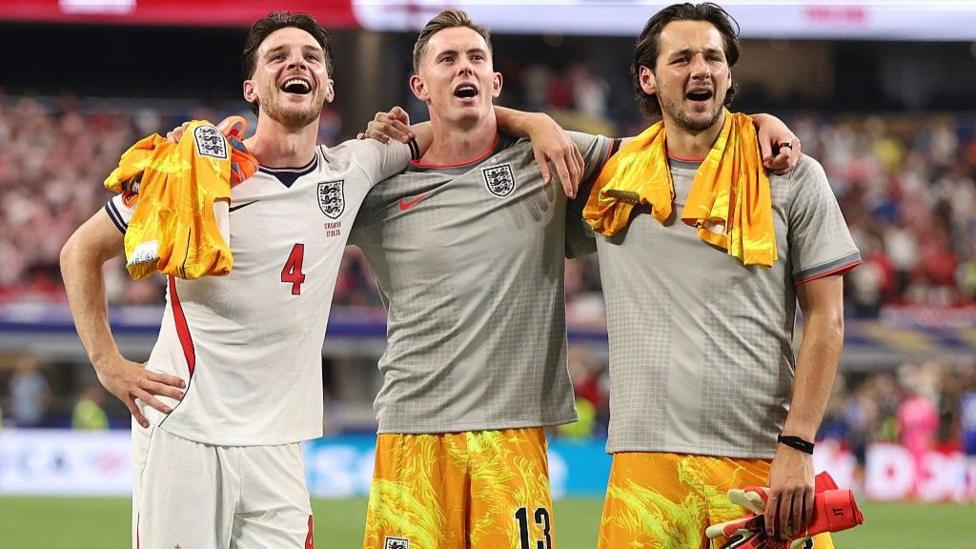
How Sweet Caroline Became England's Unofficial Anthem of Joy
From baseball stadiums to Wembley, the unlikely journey of Neil Diamond's classic into the heart of English football culture.

Messi Shatters World Cup Scoring Record With Brace Against Austria
Lionel Messi rewrites World Cup history with a two-goal salvo that sends holders Argentina into the last 32.