Pochettino Has US Believing World Cup Glory Is Possible
Mauricio Pochettino isn't just managing the USMNT—he's rewiring their psychology to genuinely believe they can lift the 2026 World Cup.
The message wasn't whispered. It wasn't framed as a long-term project or a timid step forward.
When Mauricio Pochettino took the helm of the United States Men's National Team, he didn't talk about surviving the group stage. He didn't talk about gaining respect. The Argentine spoke about winning. The whole thing. On home soil.
"We need to believe. Not just dream, but believe. When you have the talent and the organization, the only thing missing is the mentality."
That mentality shift is already surfging through the American soccer ecosystem. A fanbase historically conditioned to expect quarter-final exits at best is now being asked to embrace a completely different reality. And the players? They're buying in fast.
The Psychological Reset
For decades, the USMNT operated under a glass ceiling of their own making. The narrative was always about grit, work rate, and underdog spirit. It was a, well, American narrative, but it completely ignored the technical evolution happening right under their noses.
Pochettino recognized the cognitive dissonance immediately. You cannot have players thriving at elite European clubs while their international team plays with a subservient mindset.
The core of his work hasn't been on the training pitch. It has been in the minds of his roster.
"I look at the jerseys these players wear during the week. Champions League. Premier League. Serie A. You cannot carry that confidence on Saturday and leave it in the closet on Tuesday."
He has challenged his squad to strip away the historical inferiority complex. The US isn't a plucky upstart anymore. They are a tournament host with legitimate world-class talent.
The Tactical Foundation
Belief without structure is just delusion. Pochettino knows this better than anyone. His previous stints with Tottenham and PSG were defined by high-intensity, suffocating pressing systems that empowered elite athletes to dominate space.
That exact profile fits this generation of American players perfectly.
Consider the personnel. A high line requires relentless pressing from the front. It demands fullbacks who can cover entire flanks alone. It needs midfielders who can win the ball back in transition and immediately punish the opposition.
The Pochettino Blueprint
- Intense pressing triggers in the opposition's defensive third to force turnovers high up the pitch
- Flexibility between a 4-2-3-1 and a 3-4-3 depending on the opponent's build-up shape
- Vertical passing over lateral circulation to maximize the athletic advantage in transition
- Aggressive defensive line pushing near the halfway line to compress the playing area
This is not a manager asking his players to adapt to a rigid European system. This is a manager molding his system to amplify the raw, explosive physical traits already present in the US player pool.
The Talent Is Ready
Rewind four years. The 2022 World Cup in Qatar was a watershed moment for American soccer, but it exposed a glaring limitation. The US easily matched England and Iran in intensity, but lacked the cutting edge to turn draws into decisive victories.
Fast forward to today, and that excuse is vanishing.
The player pool has matured恐怖ly. The breakthroughs at top-tier European clubs are no longer anomalies; they are the standard. Pochettino inherits a core that knows what it takes to survive and thrive at the sport's highest level week in, week out.
"I don't need to teach them how to play under pressure. They do it at the Camp Nou and Old Trafford. I just need to make sure they remember who they are when they put on our shirt."
The Core Pillars
- Wingers with blistering pace and directness, capable of punishing any high line
- A midfield engine room combining ball-progression with physical dominance
- Goalkeepers playing in the Premier League, providing an elite last line of defense
- Center-backs learning the art of playing out from the back under heavy pressure
The narrative of the US as a team lacking technical sophistication is outdated. The current generation has the tools. Pochettino simply brought the blueprint.
The 2026 Home Soil Advantage
History is unforgiving for World Cup hosts. The weight of expectation from an entire nation can crush a team, but it can also be a rocket booster. Pochettino is fundamentally aware of this dynamic.
He has experienced the cauldron of South American qualifying. He knows how to weaponize a hostile or wildly enthusiastic crowd. Rather than downplaying the 2026 expectations, he is intentionally amplifying them.
The United States will not be hosting the tournament as a team hoping to survive. They are being prepared to host it as a team ready to conquer.
"The fans do not want you to be cautious. They want you to be brave. If we are brave, the stadium will carry us. If we are afraid, the stadium will eat us."
Transfer Intel: Behind the Deal
The financial and structural mechanics of Pochettino's appointment tell a story of their own. U.S. Soccer recognized that the previous regime had reached its ceiling. The沮丧ment following the 2023 Gold Cup and the 2024 Copa America signaled that a paradigm shift was non-negotiable.
- Contract length structured through the 2026 World Cup, with mutual option for 2028
- Salary reportedly placing him among the top five highest-paid international managers globally
- Full integration into the U.S. Soccer technical committee, giving him influence over the entire player development pathway
This was not a standard hiring. It was an investment in cultural overhaul. U.S. Soccer didn't just pay for a coach. They bought a brand of relentless energy and an unapologetic demand for excellence.
What's Next
The mandate is crystallizing with every passing camp. Pochettino is not here to oversee a transitional phase. The friendlies and continental tournaments over the next eighteen months are not exercises in experimentation.
They are simulation runs for the only event that truly matters.
The skepticism will persist. European media will continue to dismiss the USMNT as a physical team lacking tactical nuance. Pochettino uses it all as fuel.
He has United the players. He has galvanized the fanbase. The belief is no longer manufactured—it is manifesting in real time.
The ultimate test awaits in 2026. The rest of the world better be paying attention.
Editorial Integrity
This is an original SportPulse article written by our editorial team. All content is independently researched, written, and reviewed by our writers and editors before publication. We do not publish copied, aggregated, or syndicated content.
SportPulse is committed to original sports journalism. Read our editorial policy or contact us with any questions.
More Like This
All football
The Art of the World Cup Guessing Game: Why Football Memory Matters
Daily World Cup puzzles test your football knowledge — and reveal how deeply the beautiful game lives in our memory.
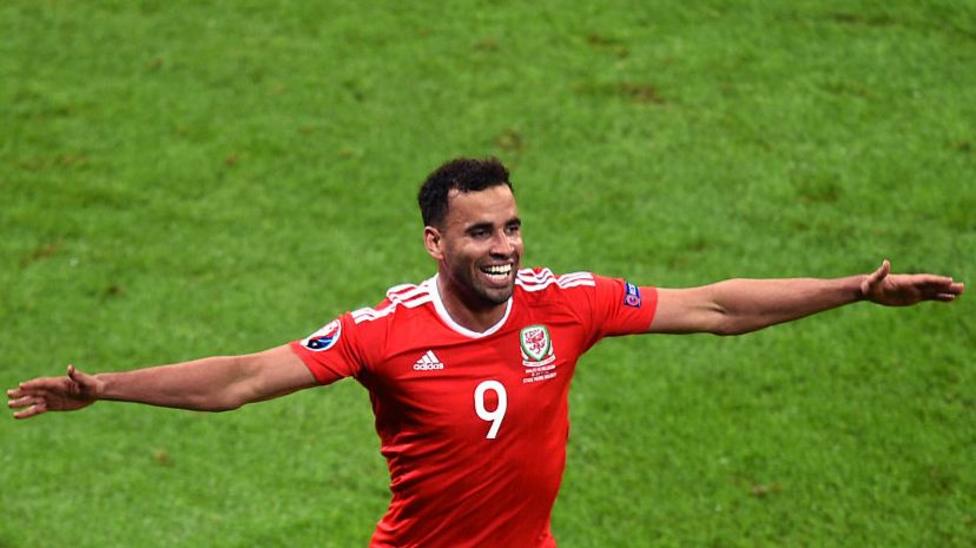
The Cruyff Turn That Rewrote Welsh Football Forever
A decade on, Hal Robson-Kanu's moment of audacious brilliance against Belgium remains Euro 2016's defining image.
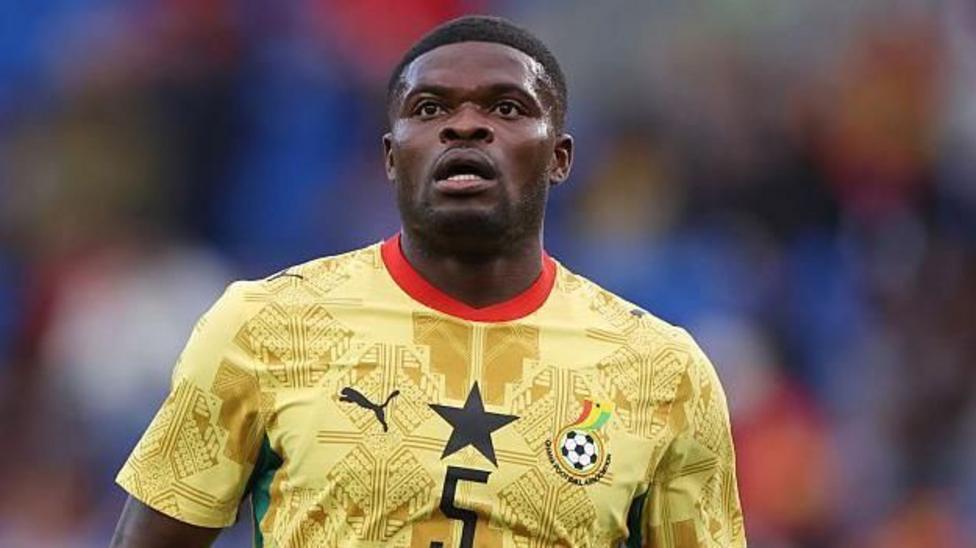
Partey Ready for England After Canada Visa Chaos Derails World Cup Opener
Thomas Partey declares himself fit to face England after a bureaucratic nightmare denied him entry to Canada for Ghana's World Cup opener.