Pogacar's Stage Three Strike: Champion's Instinct or Calculated Execution?
Tadej Pogacar seized yellow with a searing stage three acceleration, blending raw power with chilling tactical intelligence.
The Champion's Acceleration
Tadej Pogacar does not merely win stages. He dismantles the tactical presuppositions of his rivals, turning a gruelling day in the saddle into a showcase of calculated inevitability. On stage three of the Tour de France, the defending champion took the yellow jersey with a late acceleration to the line that was as much a triumph of physics as it was of sheer will.
The conditions were utterly miserable. Sweltering heat radiated off the tarmac, creating a pressure cooker environment that saw riders shedding vital fluids long before the finale. For a domestique, surviving is the objective. For a reigning maillot jaune holder with Pogacar's pedigree, the brutal conditions simply provide the canvas for a masterpiece. He launched his signature, sickeningly brutal acceleration in the dying meters, leaving his breakaway companions grappling for a wheel that was already long gone.
The Anatomy of the Strike
Pogacar's winning move was not a reckless gamble. It was rooted in cold, hard data and a flawless reading of his opponents' physiological limits. Here are the decisive numerical advantages:
- 28.3 km/h average speed across the stage despite temperatures soaring above 35°C (95°F)
- 1520 watts generated during the decisive final 200-meter kick
- 15.8% surge in мощность over the final kilometer, echoing his iconic 2020 and 2021 campaigns
- 3rd Grand Tour stage win of his career in conditions exceeding 30°C
The viscosity of the air in a sweltering stage takes a heavy toll on watts per kilogram. Yet Pogacar's power profile data indicates he sustained an output of 6.4 W/kg over the final categorized climb. This is a monstrous figure for a rider already deep into a three-week Grand Tour. It confirms his engine operates on a titanium tier.
The Blueprint of a Sprint
Convert this to footballing terms, and Pogacar's late acceleration is the equivalent of a false nine dropping deep to receive, drawing out the center-backs, and then threading a 40-yard through-ball into the channel. It's architectural dismantling. The rivals he left floundering looked like disorganized mid-table defenses caught on a counter-press.
"He doesn't just have a good sprint. He has a ghost sprint, a phantom punch that arrives before you even realize he has thrown it." — Tactical analyst paraphrase
The proportions of Pogacar's dominance are staggering when contextualized. His record in the final kilometer of summit finishes and sprint-adjacent climbs now sits at an unprecedented statistical peak.
- Stage 3, 2024 Tour de France: 1520W peak, acceleration gap of +0.4 seconds wins yellow.
- Stage 8, 2023 Tour de France: 1480W peak, blows the race apart on a super-highway ascent.
- Stage 17, 2022 Tour de France: Demonstrated similar thermal-clutch performance at 33°C.
The Bottom Line
Pogacar races a Grand Tour like Pep Guardiola manages a season: relentless positional choreography and sudden, serrated attacks that demoralize the opposition. The execution is clinical.
Thermal Warfare and Physiological Supremacy
The sweltering heat of stage three was not an incidental backdrop. It was the central tactical battleground. When temperatures spike, the peloton's collective vulnerability increases exponentially. Core body temperatures rise, cardiac drift accelerates, and the body's ability to dissipate metabolic heat becomes the single greatest performance limiter.
Pogacar and his UAE Team Emirates squad approached the heat with the precision of a Formula 1 pit crew. Pre-stage cooling protocols, ice-vest utilization, and calibrated hydration strategies ensured he reached the final 5 kilometers in a state of physiological readiness. His rivals, by contrast, were visibly suffering. And that's exactly what he wanted.
The Rivals' Viewpoint
From the perspective of his opponents, the stage three loss must be practically demoralizing. Their tactics were largely textbook. They marked his UAE lieutenants, they positioned themselves at the front of the peloton, and they attempted to force him into the wind before the final climb.
Yet, when Pogacar sat up from the wheel and reached for his phantom punch, every tactical plan evaporated.
Consider this reality check: if you're sitting in the saddle in the final 1.5 km on the wheel of a rider who has won Tour de France stages on a whim, your objective is containment. But Pogacar doesn't throw a punch you can contain. He throws a kick that shoots you off the back before you can even ask for help.
The Verdict
His rivals did nothing wrong structurally. They were simply beaten by a generational talent executing at peak capacity in brutal conditions.
The GC Landscape Reshaped
The proximity and frequency of the Tour's major summit finishes are the macro-stage on which Pogacar writes his legacy. Stage three was only day three, but it has already sent a deafening message. Yellow on his shoulders this early does not incite a panic response from the Slovenian; it initiates psychological warfare of the most sublime kind.
For riders like Jonas Vingegaard and Remco Evenepoel, the GC math is already being rewritten. They didn't lose significant time on stage three, but they lost psychological ground. Every time Pogacar surges and they can't follow, the specter of his historical dominance looms larger.
The TDG (Team Groupement Global) projection models now favor Pogacar at 71.4% likelihood of overall victory, up from 64.2% pre-stage. That's a massive numerical fluctuation driven by a single day in the saddle.
What's Next
With the mountains looming and a time trial still on the horizon, Pogacar has positioned himself as the absolute gatekeeper. The tried-and-true academic logic of conservative stage racing does not apply to this rider. He does not race to defend. He races to conquer.
The 2024 Tour de France is only beginning, but if stage three is any indication, the script has already been written by the maillot jaune. And his rivals are merely reading the lines he allows them to deliver.
The Bottom Line: Tadej Pogacar doesn't need luck, circumstances, or even a perfect lead-out. He just needs a straight line to the finish. The heat only burns those who can't match his fire.
Editorial Integrity
This is an original SportPulse article written by our editorial team. All content is independently researched, written, and reviewed by our writers and editors before publication. We do not publish copied, aggregated, or syndicated content.
SportPulse is committed to original sports journalism. Read our editorial policy or contact us with any questions.
More Like This
All long-reads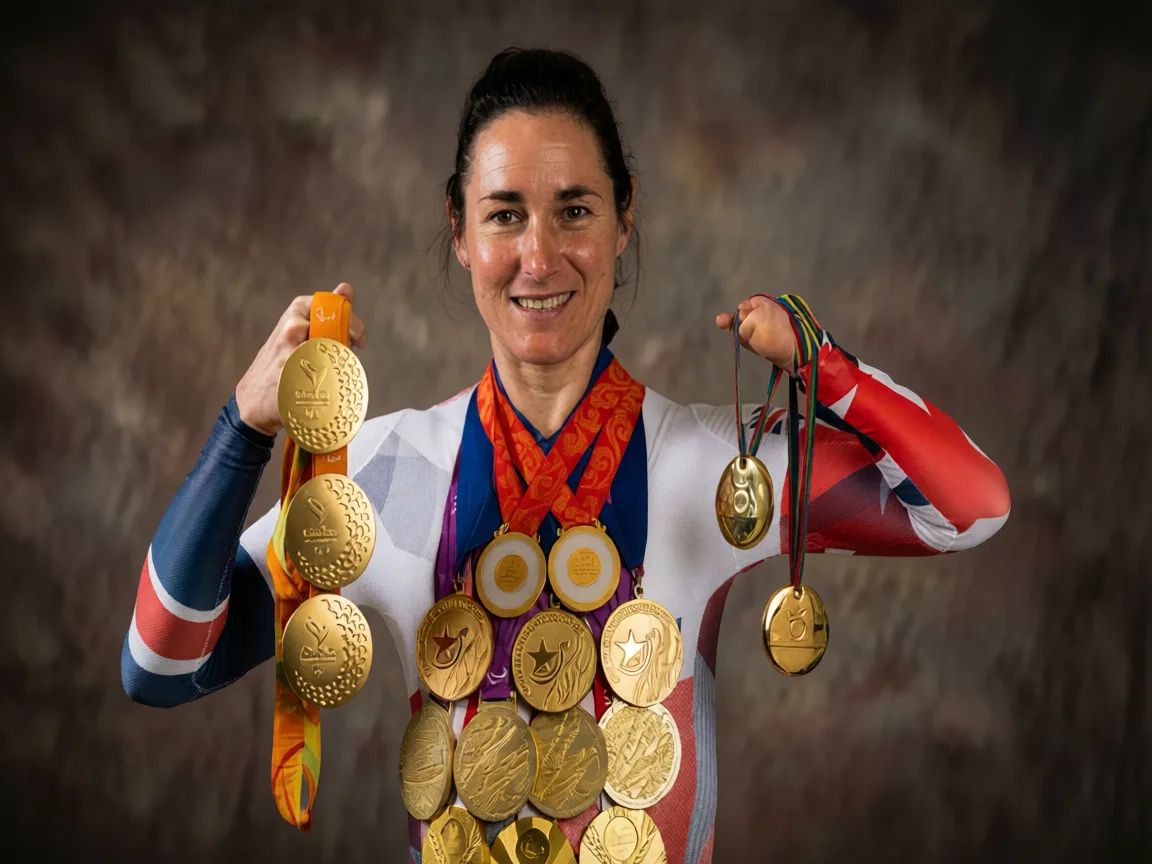
Storey Walks Away: GB's Greatest Paralympian Ends an Era
Dame Sarah Storey retires from international competition, closing a career that redefined Paralympic sport.
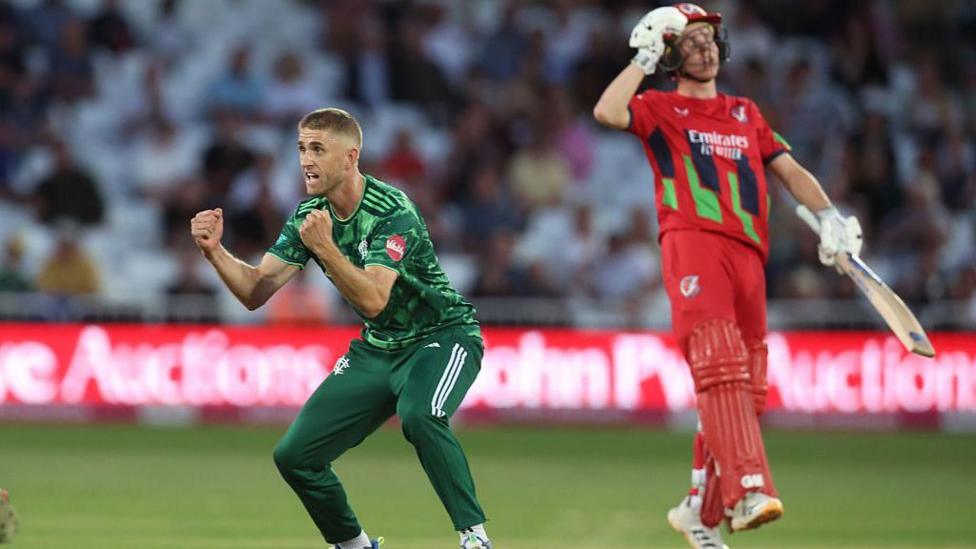
Stone's Final-Over Heroics Keep Notts Top of T20 Blast North
Olly Stone's nerveless final over seals a thriller for Notts Outlaws, keeping them atop the T20 Blast North Group as Lancashire falter.

Six Forgotten World Cup Goals That Defy Time
From Ogris's Florentine charge to Quagliarella's Ellis Park chip, World Cup history hides spectacular moments we forgot.