Kilmarnock's Late Escape Exposes Cup Survival Instincts
Ten-man Kilmarnock needed stoppage time to see off Elgin City, exposing the fragile psychology of Premiership sides navigating cup group stages.
The Psychology of Calendar Congestion
There is a particular brand of sporting desperation unique to domestic cup group stages played in the sweltering early weeks of a new campaign. Teams are physically undercooked, tactically disjointed, and frequently caught between the desire to progress and the imperative to avoid humiliation. For Kilmarnock, Saturday afternoon against fourth-tier Elgin City became a defining test of these fragile early-season dynamics.
Derek McInnes’s side did not pass that test gracefully. Reduced to ten men at Rugby Park, a Kilmarnock outfit expected to comfortably dispatch lower-league opposition instead found themselves locked in a grim and attritional battle. They required a stoppage-time winner to secure a victory that, on paper, appeared straightforward. The dramatic climax spared the Premiership side a result that would have dominated the weekend’s talking points, but the nerve-shredding narrative laid bare the vulnerabilities that persist in the buildup to the new league season.
Decoding the Near-Miss
The narrative arc of cup mismatches typically follows a predictable trajectory. The favored side scores early, the underdog’s resolve crumbles, and the second half becomes a procession of squad rotation and financial mathematics. Elgin City clearly ignored that script.
When Kilmarnock went down to ten men, the entire tactical shape of the fixture inverted. Elgin, freed from the psychological burden of expectation, could commit numbers forward. For a Championship side operating on a fraction of the budget commanded by their hosts, this was the moment to exploit the disorganization inherent in any top-flight side suddenly stripped of a player.
The complexion of the match shifted entirely once Kilmarnock were reduced to ten men. Elgin sensed vulnerability where they expected ruthlessness, and nearly executed a survival masterclass.
A stoppage-time winner against lower-league opposition is rarely a cause for unbridled celebration. It is, more accurately, an admission of collective failure merely corrected at the death. For McInnes, the extended tape of this match will serve as an uncomfortable and essential tool for identifying precisely where his squad’s structural rigidity breaks down.
What the Numbers Conceal
- 1 red card fundamentally altered the tactical blueprint Kilmarnock arrived with, exposing hurried and disjointed defensive shape.
- 0 goals conceded despite numerical disadvantage speaks to underlying and underappreciated defensive resilience.
- 3 points secured in the most financially and psychologically taxing manner possible ahead of league kickoff.
The underlying metrics from this encounter will likely paint a damning picture of controlled possession yielding remarkably little penetration. Against deep and disciplined blocks, even with a full complement of players, Premiership sides often struggle to generate the requisite expected goals (xG) for clean, decisive victories. Remove a man, and the offensive output typically deteriorates into aimless crosses and speculative efforts.
Kilmarnock found a way, but the manner of the victory will trouble McInnes more than the defeat he successfully dodged.
Verdict: Kilmarnock survived, but the performance raised more questions than the result answered. The stoppage-time escape masks systemic issues that demand urgent resolution before competitive dispatch.
Holders Hold Court with Quiet Authority
While Kilmarnock opted for high-wire theatricals, defending champions St Mirren handled their group-stage obligations with the clinical detachment expected of tournament favorites. Stephen Robinson’s side navigated their fixture without the lingering anxiety that enveloped Rugby Park.
For the holders, these early encounters are an exercise in risk management. The objective is not merely to win, but to emerge physically unscathed ahead of fixtures with significantly higher stakes. St Mirren’s victory was professional, unflashy, and precisely calibrated.
There is a distinct psychological advantage to being the reigning champions of this competition. The holders approach these games knowing the route to the knockout stages intimately, understanding implicitly that early dominance builds crucial momentum and squad cohesion.
Robinson will have been pleased with a clean sheet and three points, but he will be equally satisfied with the opportunity to assess his squad depth.
The Champion's Blueprint
St Mirren’s approach to defending their crown illustrates a vital tactical philosophy in early-season cup football. Prioritize structural integrity over attacking flair.
Squad rotation in these fixtures is not a luxury; it is a necessity. The Premier Sports Cup offers managers a competitive environment to integrate new signings and test alternative tactical systems without the catastrophic financial consequences of league defeat.
You win group stage matches by managing the variables. St Mirren controlled the tempo, limited exposure to injury risk, and banked the points.
The Bottom Line: St Mirren’s composed progression confirms their status as the team to beat. While others scramble, the champions operate with serene efficiency and clear identity.
St Johnstone and the CompetitiveMiddle Ground
Elsewhere on Saturday, St Johnstone quietly went about their business as a steady, stable mid-table Premiership outfit. They secured their victory without the dramatics that defined Kilmarnock’s afternoon.
For St Johnstone, this tournament represents a pragmatic opportunity to build early momentum. Manager Craig Levein operates with a realism that rejects romanticism in favor of foundational solidity.
St Johnstone’s win was characterized by the controlled efficiency that defines Levein’s managerial philosophy. They suffocated opposition threat, managed the tempo with veteran pragmatism, and secured progression points without expending unnecessary emotional or physical capital.
These are the fixtures where managers earn reputations. Levein’s side did exactly what was required, no more and no less.
The Structural Value of the Group Stage
The Premier Sports Cup group stage frequently draws criticism for its format, with detractors arguing it dilutes the romanticism associated with traditional knockout football. Yet Saturday’s action demonstrated its enduring and specific competitive value.
For lower-tier sides like Elgin City, these fixtures represent rare opportunities to test themselves against full-time professionals on competitive stages. The financial incentive of progression is significant, but the developmental experience is arguably more valuable.
For Premiership clubs, the tournament serves as an essential extension of preseason preparation. The intensity of a competitive match, even against lower-tier opposition, cannot be replicated in closed-door friendlies. Kilmarnock’s struggles against Elgin highlighted precisely why these tests matter, exposing systemic failures that remain invisible against routine preseason camp opposition.
- Tactical flexibility: Managers are forced to adapt to in-match adversity, such as Kilmarnock’s red card, in a live competitive environment.
- Squad integration: New signings are exposed to the systemic expectations and verbal demands of established players.
- Match sharpness: The physical output required crosses a threshold unattainable in exhibition fixtures.
Looking Ahead
The group stage structure guarantees that drama will persist throughout the opening weeks of the Scottish football calendar. For Kilmarnock, the stoppage-time winner against Elgin will either serve as a galvanizing moment or a warning sign of systemic complacency.
St Mirren, meanwhile, continue their march toward the knockout rounds with the quiet confidence of a side that knows precisely how to navigate this terrain. Their trajectory suggests that dethroning the champions will require a challenge of the highest technical and psychological caliber.
The coming weeks will determine whether Saturday’s early performers can maintain their grip on progression, or whether the structural vulnerabilities exposed in these opening salvos will metastasize into season-defining failures.
As the group stage narrative deepens, one truth remains absolute. In Scottish cup football, reputation provides no insulation against the harsh realities of competitive attrition.
Verdict: The Premier Sports Cup group stage continues to deliver unpredictable drama precisely because it tests the limits of squad depth and psychological resilience before the league campaign has even begun.
Editorial Integrity
This is an original SportPulse article written by our editorial team. All content is independently researched, written, and reviewed by our writers and editors before publication. We do not publish copied, aggregated, or syndicated content.
SportPulse is committed to original sports journalism. Read our editorial policy or contact us with any questions.
More Like This
All football
Miami Nightmare: Scotland's World Cup Dream Dims Once More
Another tournament, another heartbreak — Scotland's World Cup exile stretches on as hope fades under the Miami lights.
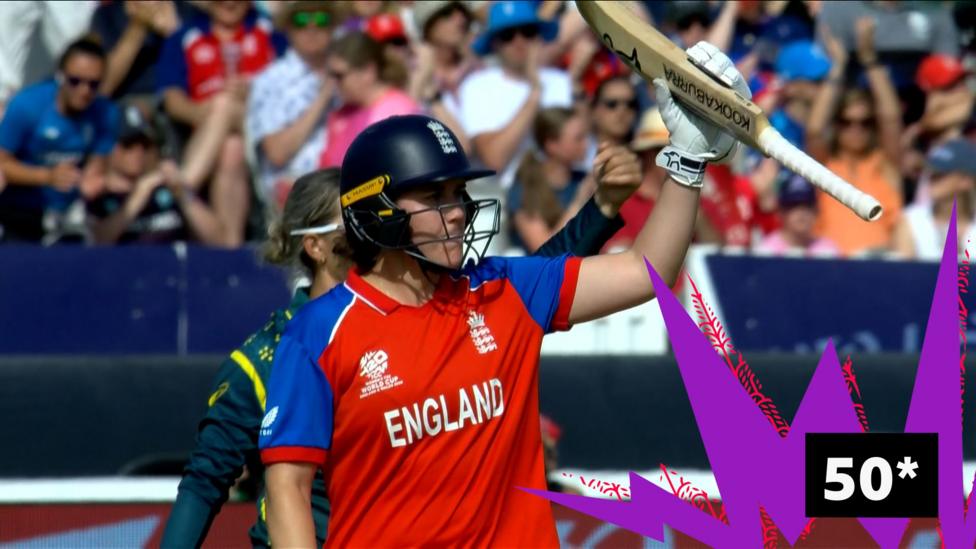
Sciver-Brunt's Lord's Masterclass Gives England World Cup Lifeline
England's captain stood alone when it mattered most, crafting an unbeaten 58 that turned a potential collapse into a fighting total at Lord's.

Lyon Complete Weir Capture as Champions League Final Loss Sparks Midfield Reinvention
Scotland captain Caroline Weir swaps Real Madrid for Lyon in a three-year deal that reshapes the French giants' Champions League blueprint.