The Homecoming That Could Reshape Rangers' Midfield Identity
Bologna captain Lewis Ferguson's tactical evolution in Serie A could transform Rangers — if the family reunion materializes.
A Midfielder Forged in Italy
The conversation around Lewis Ferguson and Rangers is not merely one of sentiment. It is, at its core, a question of tactical identity: can a player who has been reshaped by the most tactically demanding league in European football translate that growth back to the Scottish Premiership and, crucially, into European competition at Ibrox?
Ferguson arrived at Bologna from Aberdeen in the summer of 2022 for a reported fee in the region of £3 million. What has happened since defies the typical trajectory of Scottish exports to Serie A. Under Thiago Motta's cerebral tactical framework last season, Ferguson evolved from a combative box-to-box midfielder into a hybrid number 8/10, capable of operating in half-spaces, linking play between the lines, and pressing with the kind of positional discipline that Italian coaches demand.
He was handed the captain's armband at a club now competing in the Champions League. That alone tells you everything about his standing in Bologna.
The Tactical Evolution
To understand what Ferguson would bring to Rangers, you have to understand what Bologna did to him. Under Motta's 4-2-3-1 system, Ferguson was not asked to sit deep and recycle possession. He was pushed into advanced areas, operating as a mezzala on the left side of midfield, tasked with arriving late in the box and exploiting the space created by Bologna's fluid front line.
His numbers reflect this transformation. Across his two full seasons at Bologna, Ferguson developed into one of the most progressive midfielders in Serie A. His ability to carry the ball into the final third, combined with a heightened sense of when to press and when to hold position, marks him as a player who has internalized the tactical nuance of Italian football.
This is not the Lewis Ferguson who left Pittodrie. This is a midfielder who has been taught to think two passes ahead, to understand spatial geometry, to operate within a collective pressing structure rather than relying on individual intensity alone.
What the Numbers Show
- Progressed the ball into the final third consistently across Serie A campaigns
- Ranked among Bologna's top performers for pressing actions and ball recoveries
- Captained a side that qualified for the Champions League for the first time in decades
- Scored crucial goals from midfield, including strikes against top-six Italian opposition
The Family Thread
The Ferguson surname carries weight at Ibrox that few others can match. Barry Ferguson captained Rangers, made over 300 appearances, and remains one of the most respected figures in the club's modern history. Lewis grew up around that environment. He understands what the badge demands, what the crowd expects, what the Old Firm cauldron feels like on derby day.
That emotional infrastructure matters. But it would be reductive to frame this potential move as purely sentimental. Rangers are not offering Lewis Ferguson a nostalgia trip. They would be signing a player whose tactical education in Serie A gives him a skill set that is virtually unmatched in Scottish football.
"Lewis has grown enormously. When he arrived, he was a good Scottish midfielder. Now he is a complete Serie A player who reads the game at a level that surprised even us." — Thiago Motta, speaking during the 2023-24 season
Tactical Shift: How Ferguson Changes Rangers' Shape
Rangers' midfield has been a recurring source of tactical frustration. The club has oscillated between 4-2-3-1 and 4-3-3 formations in recent seasons without establishing a clear identity in central areas. Too often, the midfield has lacked a player who can bridge the gap between defensive solidity and creative output — someone who can press intelligently, retain possession under pressure, and offer a genuine goal threat from deep.
Ferguson solves multiple problems simultaneously. His experience operating as a mezzala in Motta's system means he can function in a midfield three without needing tactical hand-holding. He presses from the front of the midfield unit, reads passing lanes instinctively, and arrives in dangerous positions at precisely the right moments.
For a Rangers side that has struggled to control matches against well-organized opposition, Ferguson's ability to dictate tempo from an advanced midfield role could be transformative. He would allow the deeper midfielder to focus on screening the back four, while providing the attacking midfield link that has been inconsistent at best.
The pressing structure is equally significant. Ferguson's two years in Serie A have taught him the kind of coordinated pressing triggers that Scottish football rarely demands. He knows when to press the centre-back, when to cut off the passing lane to the pivot, when to hold his position. That tactical discipline would elevate the entire midfield unit.
The European Dimension
Rangers' ambitions extend beyond domestic competition. The club needs players who can operate in European group stages, who understand the tempo and spatial demands of continental football. Ferguson has done exactly that at Bologna, competing against the best in Serie A and now preparing for Champions League football.
His profile is tailor-made for European nights at Ibrox. He possesses the technical composure to handle high-pressing opponents, the physicality to compete in midfield battles, and the tactical awareness to adapt to different systems. These are qualities that Rangers' current midfield options have struggled to consistently demonstrate when the step up in class arrives.
The Financial Reality
Bologna will not let their captain leave cheaply. Ferguson's stock has risen considerably since his £3 million move from Aberdeen, and with Champions League football on the horizon, the Italian club hold a strong negotiating position. Rangers would likely need to break their transfer record to complete this deal.
The question for the Rangers board is whether Ferguson represents value at the price Bologna will demand. On talent alone, the answer is almost certainly yes. He is a proven Serie A performer in his prime years, with a tactical education that sets him apart from virtually any midfielder in Scottish football. The risk lies in whether that quality can be sustained in a league where the technical and tactical demands are lower week to week.
What Comes Next
The coming weeks will determine whether this homecoming becomes reality. Ferguson's camp will be weighing up Champions League football at Bologna against the emotional pull of Ibrox and the chance to write his own chapter in his family's Rangers legacy.
For Rangers manager Philippe Clement, the tactical case is compelling. Ferguson offers a profile that the squad simply does not currently possess: a Serie A-hardened midfielder with elite pressing instincts, progressive ball-carrying ability, and the mentality of a captain. The question is whether the club can meet Bologna's valuation and whether Ferguson himself sees this as the right moment to return.
If the deal happens, it would be the most tactically significant signing Rangers have made in years. Not because of the name on the shirt, but because of what the player has become since he left Scotland.
Editorial Integrity
This is an original SportPulse article written by our editorial team. All content is independently researched, written, and reviewed by our writers and editors before publication. We do not publish copied, aggregated, or syndicated content.
SportPulse is committed to original sports journalism. Read our editorial policy or contact us with any questions.
More Like This
All football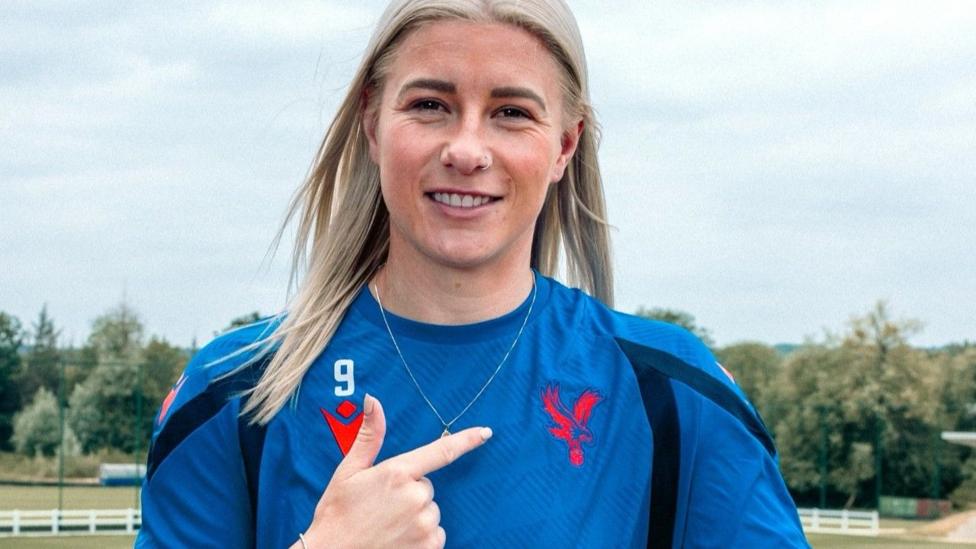
Palace Roll the Dice on England's Bethany
Crystal Palace land Bethany England on a free transfer, sending shockwaves through the WSL with their boldest signing yet.
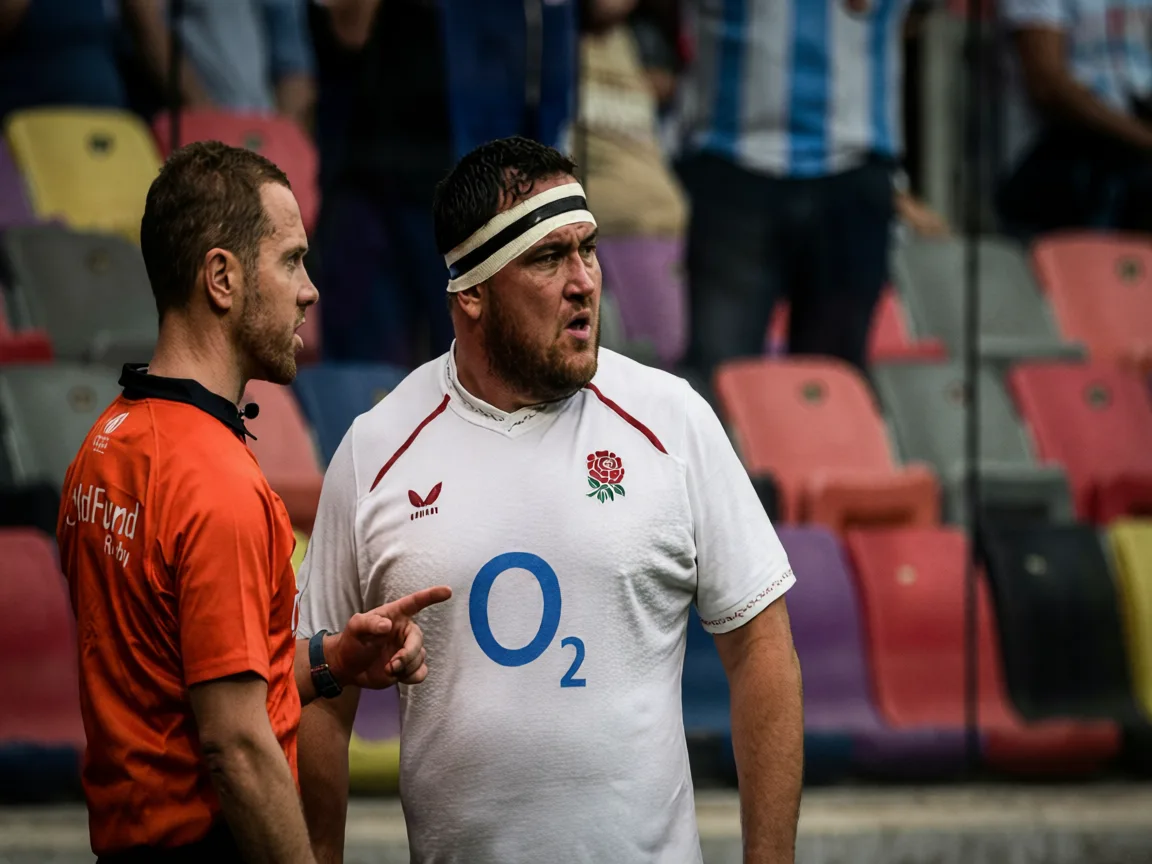
England's Discipline Crisis: Four Yellows Expose Systemic Flaw
Matt Dawson calls England's four-yellow-card display comical, exposing a disciplinary breakdown with serious tactical and structural implications.
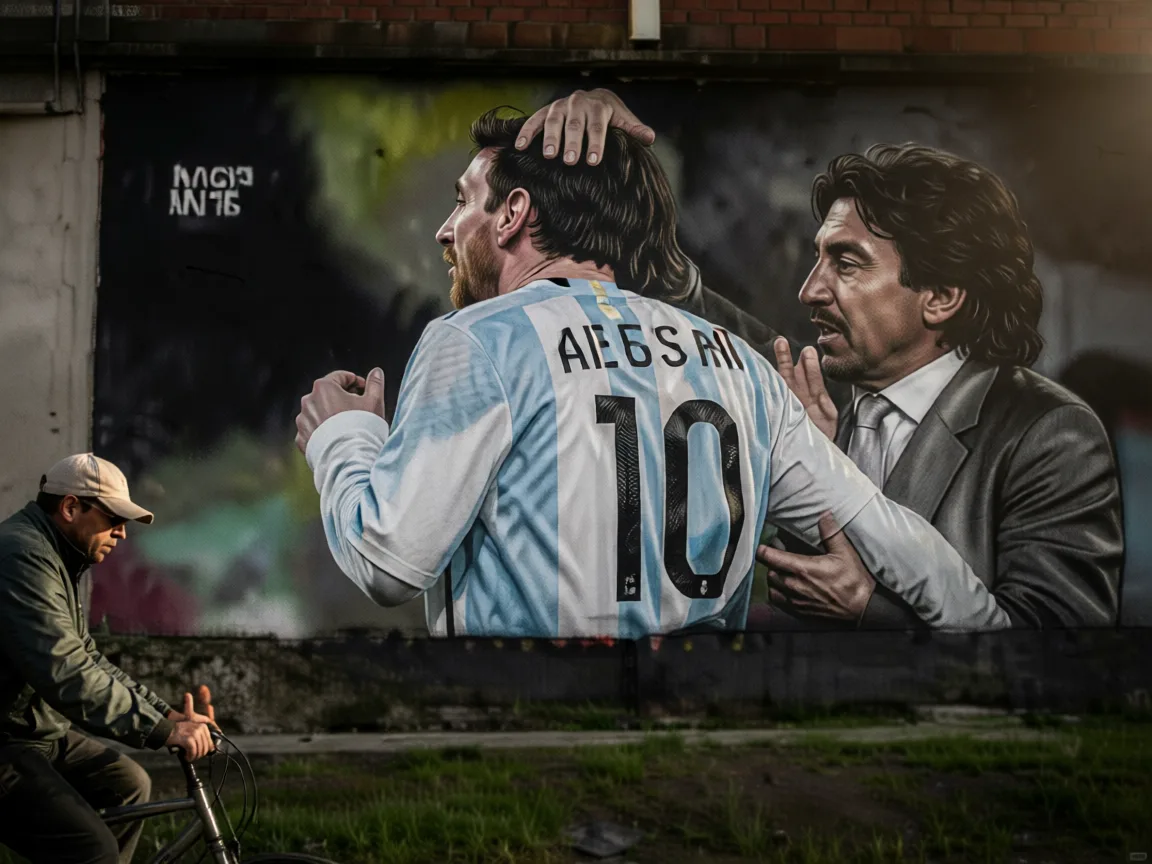
Messi Has Finally Surpassed Maradona in Argentina's Soul
After two decades living in Diego's shadow, Lionel Messi has definitively overtaken Maradona as Argentina's defining footballing icon.