Is This the Greatest World Cup Ever Played?
Late drama, shock upsets, and stunning comebacks define a tournament forcing fans and pundits to ask if history is being rewritten.
Fix a number in your head. How many World Cups have you watched? How many have genuinely stopped you in your tracks?
This one has done that repeatedly. Every single round has delivered something that defies logic, forcing fans and pundits to recalibrate their expectations of what international football can produce.
Now the question surfaces in bars, on podcasts, in newspaper columns across continents. Is this the greatest World Cup ever played?
It is a loaded inquiry. Comparing generations exposes biases. Nostalgia distorts. Yet the evidence accumulating across this tournament demands serious engagement rather than dismissive references to better days gone by.
The Anatomy of a Classic
Start with what defines great sporting events: uncertainty and catharsis.
This tournament has manufactured both in industrial quantities. Late goals have become the defining characteristic rather than the exception. Stoppage-time equalizers. Overturning deficits that seemed unassailable. Winners struck when the clock should have already expired.
A World Cup becomes legendary not when favorites win, but when the script tears apart. This tournament has torn up more scripts than any in recent memory.
The comebacks have been relentless. Teams trailing with minutes remaining, summoning reserves of resilience that border on the incomprehensible. The defeated rising. The dominant collapsing. A cycle repeated with startling frequency across different groups and knockout stages.
Comebacks require character. They demand belief that survives statistical probability. What we have witnessed is not luck. It is a tournament-wide psychological phenomenon where no lead feels safe and no deficit terminal.
Shock Upsets Reshaping the Hierarchy
Then there are the upsets. The true shocks that send tremors through the global game and cost minnows and giants alike.
Pre-tournament favorites eliminated earlier than anyone predicted. Supposed minnows advancing beyond established powers. The gap between tiers narrowing visibly and convincingly. This represents something profound.
Consider the established hierarchy atleast partially dismantled. Nations previously considered afterthoughts eliminating teams with budgets multiples larger and squads deeper. The romantic ideal of international football treating every nation equally has rarely felt so real.
The shocks matter beyond individual results. They expose structural shifts. Investment in emerging football nations paying dividends. Tactical knowledge spreading faster than wealth concentrates. The globalization of the sport finally producing competitive balance on the biggest stage.
The Numbers Behind the Drama
Romance requires empirical backing to elevate from anecdote to argument.
- Record number of late goals scored after the 90th minute across the tournament
- Unprecedented comeback frequency with teams overturning deficits in consecutive matches
- Multiple overtime periods producing decisive moments when fatigue should favor defending
- Upset ratio exceeding any recent World Cup by significant margin
The data confirms what the eyes report. This is statistically abnormal entertainment.
Why This Feels Different
Every era produces tournaments fans cherish. Mexico 1986 had Maradona. Italia 90 had drama and emergent African football. France 98 had the Ronaldo mystery and Zidane emergence. South Africa 2010 had Spain at their aesthetic peak.
What separates this tournament is the sheer consistency of spectacle across nearly every match. Previous World Cups featured classic matches interspersed with dour group-stage caution. Not this one.
It is the relentlessness that defines this tournament as potentially generational. Not one classic but a procession of them.
Even games between lower-ranked nations have produced tactical sophistication and emotional intensity. There is no dead rubber. No meaningless exhibition. Every fixture carries weight and delivers consequence.
The Tactical Revolution
Beneath the drama lies something substantive. Tactical evolution.
International football historically lagged behind club football in sophistication. National teams had limited preparation time. Systems simplified. Individual brilliance compensated for structural cohesion.
This tournament breaks that pattern. Pressing structures sophisticated across all levels. Teams defending with coordinated intensity that would impress elite club coaches. Transition play executed with precision impossible without meticulous preparation.
The minnows have studied the elite. They have learned patterns. When they sit deep they do so with intelligence rather than naive desperation. When they counterattack they move with choreographed intention. The gap in tactical understanding has compressed.
The Role of Squad Depth and Fatigue
Late goals suggest something beyond mere entertainment value. They reveal fatigue and its exploitation.
Five substitutes transformed previous tournaments. But even that rule existed, the strategic deployment of fresh legs has never felt so decisive. Managers timing introductions to maximize impact against exhausted opponents.
Behind the Drama: What This Means for Legacy
Legacy depends on closure. A tournament delivering classic group stages but anticlimactic finales fades from memory. The greatest World Cups combine consistent drama with iconic conclusion.
We remember tournaments by their endings. The question of greatness can only be answered when the final whistle confirms or denies what the journey promised.
The components are present. The narrative threads exist. Underdog stories. Surprising eliminations. Giants wounded. Smaller nations ascending. Individual performances embedding themselves in collective memory.
Hallmarks of greatness are present throughout. The quality of goals has stretched from spectacular long-range strikes to intricate team constructions. Goalkeeping performances saving penalties. Individual moments blending into collective achievements.
The Verdict
Ask whether this is the greatest World Cup ever and you invite disagreement. That is appropriate.
What can be stated without contention: this tournament has restored faith in international football after years of club dominance diminishing national team relevance. It has reminded audiences why the World Cup occupies a unique pedestal.
The drama has been genuine. The shocks authentic. The comebacks earned through sweat and clarity rather than manufactured spectacle.
Whether it ranks first, third, or seventh depends on subjective weighting of eras, styles, and sentimental attachments. But it has entered that conversation. And that alone distinguishes it from most tournaments that fade quietly into historical record.
The greatest World Cups do not need consensus. They need moments that outlast argument.
This one has produced those moments repeatedly. The argument can wait. The memories are already secure.
What Comes Next
The implications extend beyond this tournament's conclusion.
Established powers must reassess approaches. The old assumptions about squad depth and decisive quality no longer guarantee advancement. Tactical flexibility cannot remain optional.
Emerging nations have established new benchmarks. What once counted as heroic failure now registers as legitimate achievement. Future tournaments will feature more competitors entering believing they belong rather than hoping to survive.
Spectators win from this compression of quality. Every World Cup hereafter carries heightened expectations. This tournament has raised the floor.
The legacy may not be a single legendary match or moment. It may prove more durable. A recalibration of what international football can deliver when preparation meets opportunity and belief refuses to acknowledge hierarchy.
For now the debate continues. The greatest or merely great. Unforgettable or historic. The distinction matters less than the experience. And few tournaments have delivered experience quite like this one.
Editorial Integrity
This is an original SportPulse article written by our editorial team. All content is independently researched, written, and reviewed by our writers and editors before publication. We do not publish copied, aggregated, or syndicated content.
SportPulse is committed to original sports journalism. Read our editorial policy or contact us with any questions.
More Like This
All football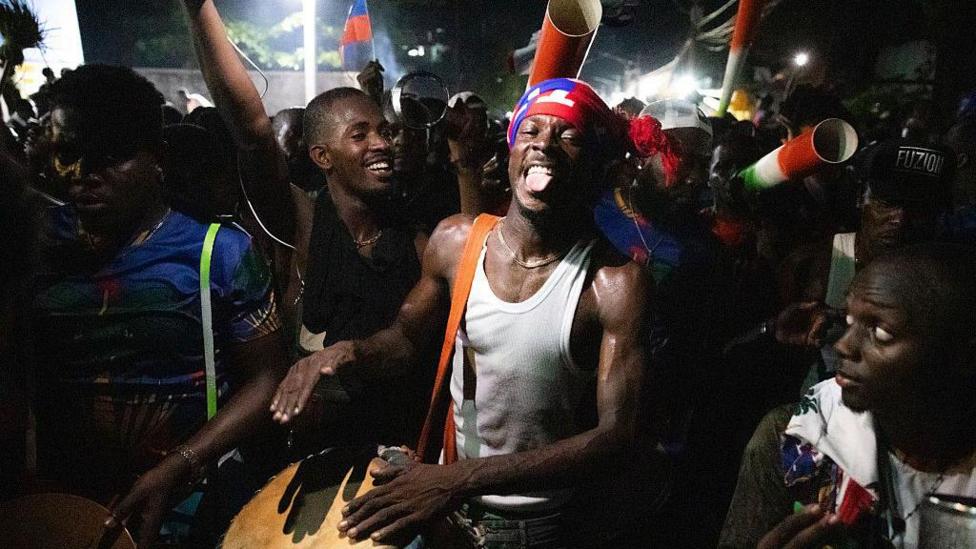
Fifty-Two Years Later, Haiti Carry a Nation's Weight onto the World Stage
Haiti's World Cup return after 52 years is less about results and more about a fractured nation reclaiming its identity through football.
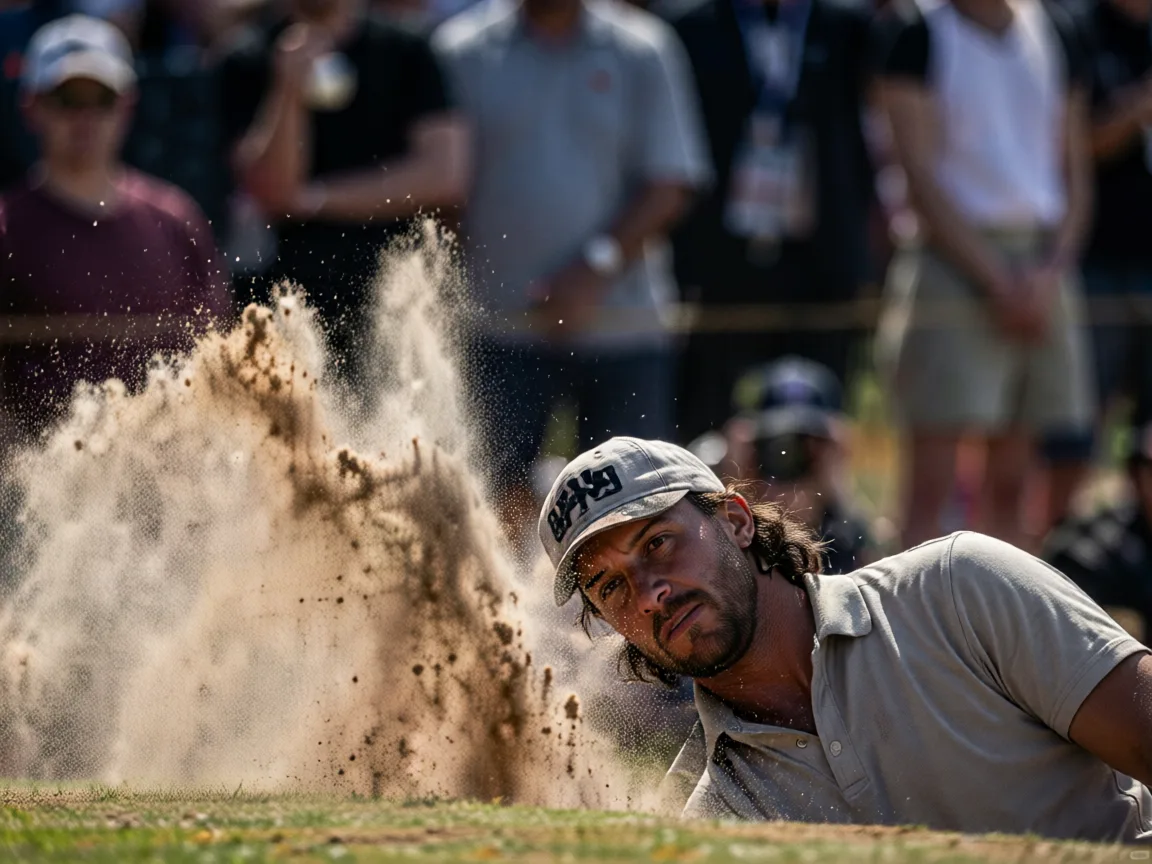
Why This Summer's Sporting Triple Crown Stops the World
World Cup final, Tour de France podium, and Open Championship Sunday collide in a weekend that redefines global sporting drama.
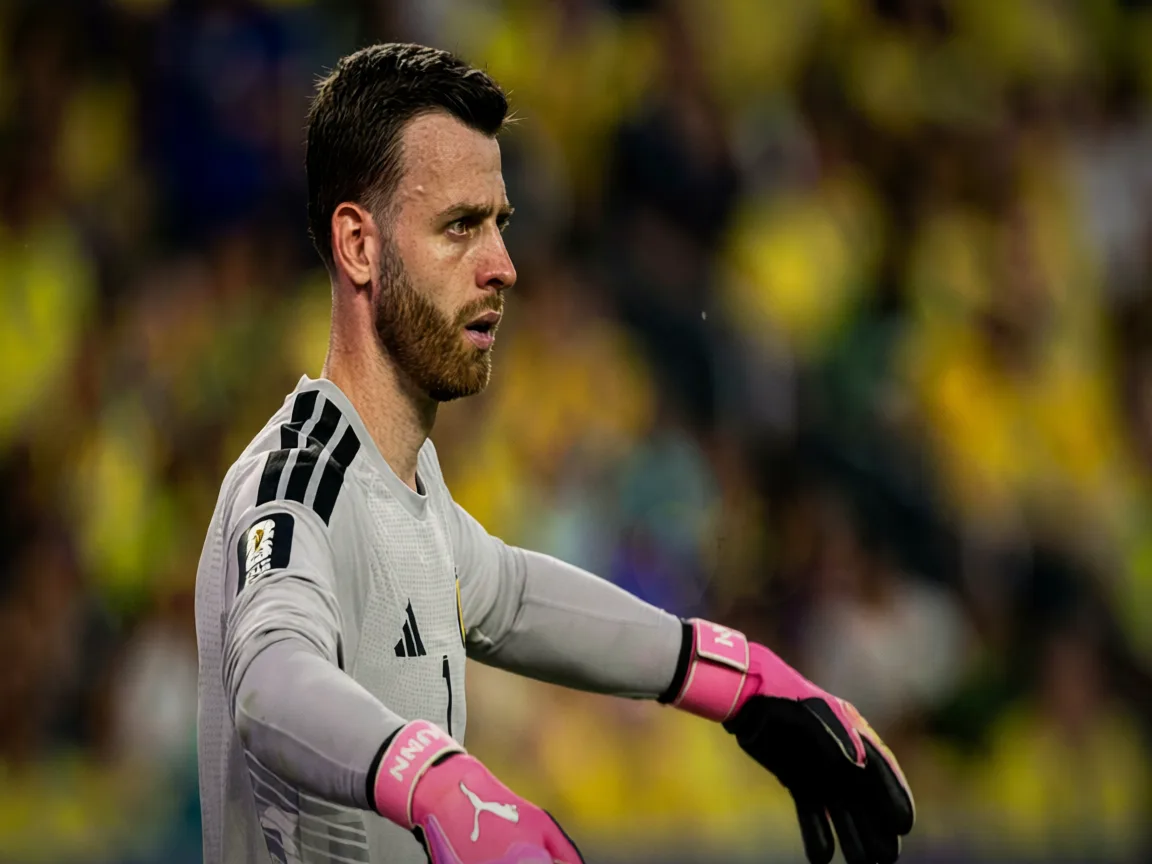
Angus Gunn and the Tactical Case for La Liga Redeployment
Released goalkeeper Angus Gunn's shot-stopping and distribution profile demands a side willing to use him as a false libero rather than a static last line.