RFL Introduces Hydration Breaks as Heatwave Reshapes Rugby League
Extreme heat forces the RFL to implement mandatory 90-second hydration breaks, disrupting rugby league's relentless physical flow.
When the mercury pushes past comfortable thresholds, the physiology of collision sport alters dramatically. The Rugby Football League has confirmed that all fixtures this weekend will feature two 90-second hydration breaks per half, a directive designed to aid players competing in the ongoing national heatwave. It is a necessary intervention, but from a tactical standpoint, it is also a profound disruption. Rugby league is a sport built on the unrelenting cadence of six-tackle sets, territorial attrition, and defensive cohesion. Injecting scheduled stoppages into that rhythm fundamentally alters how coaches approach the middle third of the pitch.
The human body operating in extreme heat sacrifices metabolic efficiency for thermoregulation. When core temperatures rise, blood is redirected to the skin's surface to facilitate sweating, depriving working muscles of oxygen. Cognitive processing delays, and the execution of intricate shape-play under fatigue becomes compromised. The RFL’s mandate of two breaks per game acknowledges that player welfare cannot be separated from extreme environmental conditions.
Yet these are not mere water stops. They are tactical timeouts. In a sport where momentum is the most valuable currency, a 90-second stoppage provides a crucial off-ramp for a struggling defense, and an unwelcome interruption for an ascending attack.
The Disruption of the Ruck and Defensive Lines
The fundamental architecture of a rugby league defensive system relies on connectivity. Defenders must slide in concert, trust their inside shoulder, and maintain a flat-line formation to compress the opposition's time and space. Under extreme fatigue, that line fractures. Markers at the play-the-ball are slow to retreat, creating fences that creative halves immediately exploit with dummy-half scoots or short kicking games. A fractured line forces the fullback into first-man contact, depleting the last line of defense.
Prior to this ruling, coaches had to rely on injury stoppages, tactical penalties, or deliberate ball steals to slow a game down and allow their defensive line to reset. Now, the hydration break offers a legitimate, rule-sanctioned mechanism to arrest an opponent's momentum. Treating these breaks as strategic resets rather than purely physiological necessities could determine the outcome of tightly contested fixtures.
The Evolution of In-Game Management
Historically, rugby league has lacked theStructural timeout mechanisms prevalent in other sports. Union utilizes the mark and scrum resets; however, league's relentless push for a faster product has stripped away many traditional stoppages. The introduction of mandatory breaks replaces ad-hoc slowing tactics with regulated pauses.
An attacking side building sustained pressure through repeat sets of six near the opponent's try-line relies on physical and psychological suffocation. As the defensive line exhausts, the spacing between defenders widens, and the ruck speed accelerates for the attacking hooker. A sudden 90-second break allows the defending side to catch its breath, reset its scramble defense, rehydrate, and receive direct tactical instruction from the sideline.
"Player welfare is non-negotiable, but we are acutely aware of how these breaks shift momentum. The teams that manage the restarts most effectively will gain a tangible edge this weekend."
Tactical Shift
The implementation of mandatory hydration breaks creates a distinct inflection point in how coaches will manage the middle-third strategy. When a team is defending repeat sets and approaching the 90-second break, the tactical imperative shifts from preventing a line break to simply surviving the remaining tackles. There is no incentive to commit extra bodies to the tackle if it risks leaving a staggered defensive line on the edge.
Conversely, the attacking side must weigh the risk of forcing an offload or pushing a wide pass against the clock. Overplaying in the minutes leading up to the break risks committing an error, which not only turns over possession but hands the opponent the psychological uplift of surviving the pressure. The smart tactical play is to play flat and direct, force defensive contact, and trust that the break will provide a chance to recalibrate for a more expansive approach immediately after the restart.
Exploiting the Restart Phase
The most underappreciated element of the hydration break is the restart itself. Following 90 seconds of standing, rehydrating, and listening to sideline instructions, the body's core temperature dips marginally, but the muscles begin to cool. The first two or three tackles out of the break will be characterized by slight sluggishness and a higher propensity for lateral movement before the defensive line accelerates back to full up-and-in speed.
Coaches will design specific set-plays for the tackles immediately following the break. Expect to see structured shift plays and pre-planned wrap-around moves targeting the defensive line before it has fully re-synced. The halfbacks who can quickly re-establish the tempo of the ruck post-break will dictate the flow of the second phase of play.
The Physical and Cognitive Toll
- Core temperature management: Without regular stoppages, players risk heatstroke and severe dehydration, impacting cardiovascular output.
- Cognitive processing speed: Elevated core temperatures severely delay reaction times, making defensive spacing vulnerable to late attacking manipulation.
- Interchange strategy: Coaches must now balance the timing of their eight interchanges against the scheduled breaks, potentially holding an edge forward for the period immediately following a hydration pause.
The Bigger Picture
The RFL’s decision reflects a broader shift in how sporting bodies are adapting to the realities of modern climate patterns. For decades, the scheduling of domestic rugby league fixtures in the British summer has been a delicate balancing act between avoiding winter pitch freezes and the peak heat of July. As extreme weather events become more frequent, temporary mandates may evolve into permanent structural adaptations.
Future iterations of the laws of the game could see hydration breaks triggered by specific ** Wet Bulb Globe Temperature (WBGT) ** thresholds rather than arbitrary weekend mandates. This nuance would ensure that stoppages only occur when environmental conditions pose an objective physiological threat, preserving the traditional flow of the game during milder summer weekends.
Furthermore, the use of hydration breaks for sideline coaching opens a philosophical debate about the purity of rugby league's uninterrupted flow. If breaks become standard, the sport risks drifting closer to the timeout-heavy models of American football or basketball, where coaches can dictate terms directly to their units during live action.
Looking ahead to next weekend, the primary tactical battleground will center on transition management. The teams that treat the 90-second stoppages not as welfare intervals but as scheduled tactical resets will possess a distinct advantage. For the coaches occupying the boxes, the challenge is twofold: utilize the break to reinforce the defensive line speed, and design explosive set-play structures to exploit the inevitable sluggishness of the restart.
How players adapt to the physiological shock of starting and stopping under extreme thermal stress may ultimately prove more decisive than any game plan drawn on a whiteboard. The heatwave demands physical resilience, but the breaks demand tactical ruthlessness.
Editorial Integrity
This is an original SportPulse article written by our editorial team. All content is independently researched, written, and reviewed by our writers and editors before publication. We do not publish copied, aggregated, or syndicated content.
SportPulse is committed to original sports journalism. Read our editorial policy or contact us with any questions.
More Like This
All football
World Cup Finals: The Anatomy of Football's Ultimate Stage
World Cup finals create legends and break hearts, with extra time deciding nearly half of the last 11 tournaments.

He Was My Biggest Fan: Micah Richards and a Father's Final Whistle
Hours before England's World Cup semi-final heartbreak, Micah Richards lost his father Lincoln. He went on air anyway.
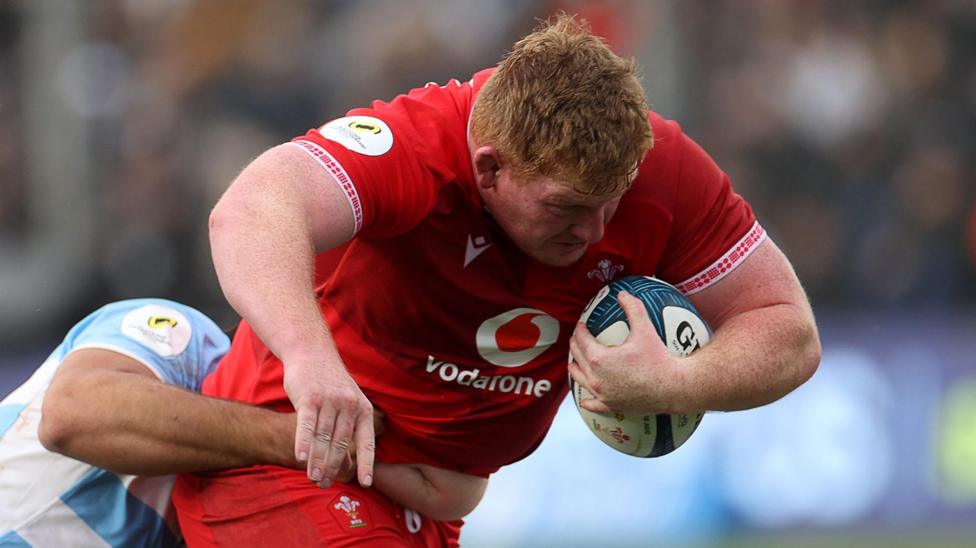
Carre's Rare Honesty Exposes a Wales Side Running Out of Road
Rhys Carre's blunt admission that Wales stepped backward against Argentina reveals a team grappling with uncomfortable truths.