Rodri's Contract Clock: Why Real Madrid Smell Blood at the Etihad
A deal unsigned, a suitor circling, and a World Cup that reshaped the market for City's most irreplaceable player.
title: "Rodri's Contract Clock: Why Real Madrid Smell Blood at the Etihad"
category: football
badge: Football: Transfers
badgeType: category
author: Sarah Martinez
authorRole: Transfer Correspondent
authorInitials: SM
date: 2026-07-27
readTime: 7 min read
image: /images/articles/rodri-contract-saga-manchester-city-real-madrid.webp
imageAlt: Rodri in Manchester City kit during a match, intense expression, Etihad Stadium background
tags: Premier League, La Liga, Transfers
excerpt: "A deal unsigned, a suitor circling, and a World Cup that reshaped the market for City's most irreplaceable player."
imageRegenerated: true
The contract has been sitting on the table for months. Rodri has not signed it.
For Manchester City, that single fact has become the most uncomfortable storyline of a summer that was supposed to be about reloading, not rebuilding. The club's most important player, the axle around which Pep Guardiola's entire system rotates, is entering a window where every passing week shifts leverage away from the Etihad and toward the continent's biggest predators.
Real Madrid are watching. They liked what they saw at the expanded World Club competition. And they are patient enough to let the clock run.
City's hierarchy remains optimistic. Talks are ongoing with the 30-year-old midfielder, and there is genuine belief inside the Etihad that an agreement can be reached. But optimism is not a signature, and right now City are trading in one while chasing the other.
Two Years from Expiry, Already Uncomfortable
Rodri's current contract runs until June 2027. On paper, that gives City breathing room, a full season before any real urgency kicks in. In practice, the dynamics are already at work.
A contract on the table that a player has not signed is never neutral. It can mean genuine disagreement over terms, patient deliberation, or a deliberate strategy to keep options open. From the outside, distinguishing between those scenarios is nearly impossible. From the inside, City's executives are reportedly confident the holdup is procedural rather than positional.
Suitors do not wait for clarity. They exploit ambiguity.
Rodri turned 30 on June 22. For a midfield technician whose game relies on reading space rather than explosive athletic output, the age profile is manageable. But it complicates contract math. City's standard approach with players crossing that threshold has been measured: extended terms, yes, but structured to protect the club's wage architecture. Players of Rodri's stature, particularly those who have just cemented their global reputation, often expect that recognition to be reflected in both length and money.
That gap, however narrow, is where Real Madrid see an opening.
Pérez's Playbook: Tchouaméni, Bellingham, Mbappé
Real Madrid's interest in Rodri is not new, but it has hardened since the expanded World Club competition. His performances on that stage reinforced what Guardiola has long known and what City supporters saw during his seven-month ACL recovery absence last season: this team functions fundamentally differently without him.
Madrid's transfer strategy under Florentino Pérez has been ruthlessly efficient in recent windows. They identify the target, they wait, they let the selling club's contractual pressure build, and they strike when the math favors the buyer. It worked with Aurélien Tchouaméni. It worked with Jude Bellingham. It worked with Kylian Mbappé.
Rodri fits the profile Pérez has pursued for a decade: Spanish, technically elite, capable of controlling tempo in tight spaces, and carrying the kind of professional reputation that fits the Bernabéu dressing room culture. He is a Madrid-type player in the way that Toni Kroos was, the way that Luka Modrić was. Functional, controlled, central to everything the team builds.
No bid figure has been established publicly, and no direct contact between the clubs has been confirmed. Madrid are weighing an offer, which is the phase that precedes formal action in their usual playbook.
Contract Situation
- Current deal expires: June 2027
- New deal status: On the table, unsigned
- Player age: 30 (born June 22, 1996)
- Talk status: Ongoing, City optimistic
- External interest: Real Madrid monitoring, bid under consideration
What Holds Up a Player Who Has Won Everything
Players at Rodri's level rarely stall on contracts without reason. The reasons can be varied: financial terms, project ambition, personal comfort, family settling, or the desire to assess all options before committing the final major contract of a career.
For a player who has won everything with City (multiple Premier League titles, the Champions League, the Club World Cup, the Super Cup, domestic cups), the question of what remains to be achieved at the Etihad is legitimate. He has been the best midfielder in the world. He has been the decisive figure in a Champions League final. There is no trophy gap to fill at City.
That does not mean he wants to leave. But the traditional retention pitch, more trophies, bigger project, keep winning, carries less force than it did three years ago. What replaces it has to be financial recognition and a clear statement that the post-Guardiola transition, whenever it comes, will be built around him.
Guardiola's own contract situation has occasionally mirrored the uncertainty surrounding Rodri's. When the manager's future flickers, the squad's commitment flickers with it. Players want to know what they are signing up for, not just where.
The Win Rate Without Him
The empirical case for giving Rodri whatever he wants is buried in the results from the first half of last season.
City's performance metrics without Rodri following his ACL injury in September were stark enough that Guardiola repeatedly referenced the structural deficit in press conferences. The team's win rate dropped noticeably. The defensive shape, normally compressed and controlled by Rodri's positioning ahead of the back four, became porous. Results that City routinely managed in cruise control became struggles.
He is not merely a holding midfielder. He is City's release valve under pressure, their first line of progressive passing, their tempo regulator, and their most reliable tactical communicator on the pitch. When City are dominant, it is usually because Rodri has made the game simple. When City are vulnerable, it is usually because that simplicity is missing.
Replacing that profile in the market is essentially impossible at fair value. There are perhaps three midfielders in world football who combine Rodri's specific skill set: defensive anticipation, progressive passing range, aerial presence, and the intelligence to manage a team's shape from a deep position. All are employed by clubs with no incentive to sell.
That reality is City's strongest negotiating tool and their greatest source of anxiety. They know what Rodri is worth to them. They also know that Rodri's camp is fully aware of it.
Saudi, De Bruyne, and the Viana Question
Real Madrid are the most prominent name linked, but the phrase used in reporting is that City are braced for moves from other suitors as well. That plural matters.
When a player of Rodri's stature becomes available or even appears potentially available, the market does not behave rationally. Clubs that had not previously planned a midfield acquisition begin scenario planning. Saudi Arabia's Pro League, which has demonstrated willingness to pay premium wages for players in their late twenties and early thirties, represents a financial wildcard that distorts every elite contract negotiation.
City have dealt with this pressure before. Kevin De Bruyne faced similar interest from Saudi in 2024 before ultimately staying in Manchester. Bernardo Silva has flirted with exits across multiple windows, twice coming close to moves before signing renewed terms. The club's retention record under Txiki Begiristain's sporting direction has been strong, but it has required financial flexibility and, at times, creative structuring.
The question is whether the new football executive structure, led by Hugo Viana as Begiristain's designated successor, handles this negotiation with the same dexterity. Internal transitions at director level can create hesitancy in talks, particularly when players are weighing long-term commitments.
January Is the Deadline That Matters
City's immediate priority is simple: get the contract signed before the January window, when outside interest moves from speculative to actionable. A player with 18 months remaining on his deal carries different leverage than one with two and a half years. Each month that passes without a signature tightens the room for negotiation.
Guardiola's public posture will be calm. He has rarely used press conferences to apply contract pressure on players, and he is unlikely to start now. But the internal message from the coaching staff to the board will be unambiguous: this deal cannot be allowed to drift.
Real Madrid, for their part, are not in a rush. They have the financial structure to wait, to monitor, and to let the pressure of an unsigned contract do the heavy lifting. If Rodri signals openness to a move, they will be ready. If he extends with City, they will pivot without disruption.
For Rodri himself, the decision is personal as much as professional. He has built his legacy in Manchester. He is cherished by the support, central to the system, and paid at the top of City's structure. Leaving would mean starting over at a club where the midfield hierarchy is already crowded and the adaptation curve, even for a player of his quality, would be real.
But he has not signed.
City have until the winter window to change it. After that, the conversation stops being internal.
Update:
新消息提及曼城准备应对皇马对罗德里的报价,但未提供实质性新细节,与现有合同风波文章内容重叠。
Editorial Integrity
This is an original SportPulse article written by our editorial team. All content is independently researched, written, and reviewed by our writers and editors before publication. We do not publish copied, aggregated, or syndicated content.
SportPulse is committed to original sports journalism. Read our editorial policy or contact us with any questions.
More Like This
All football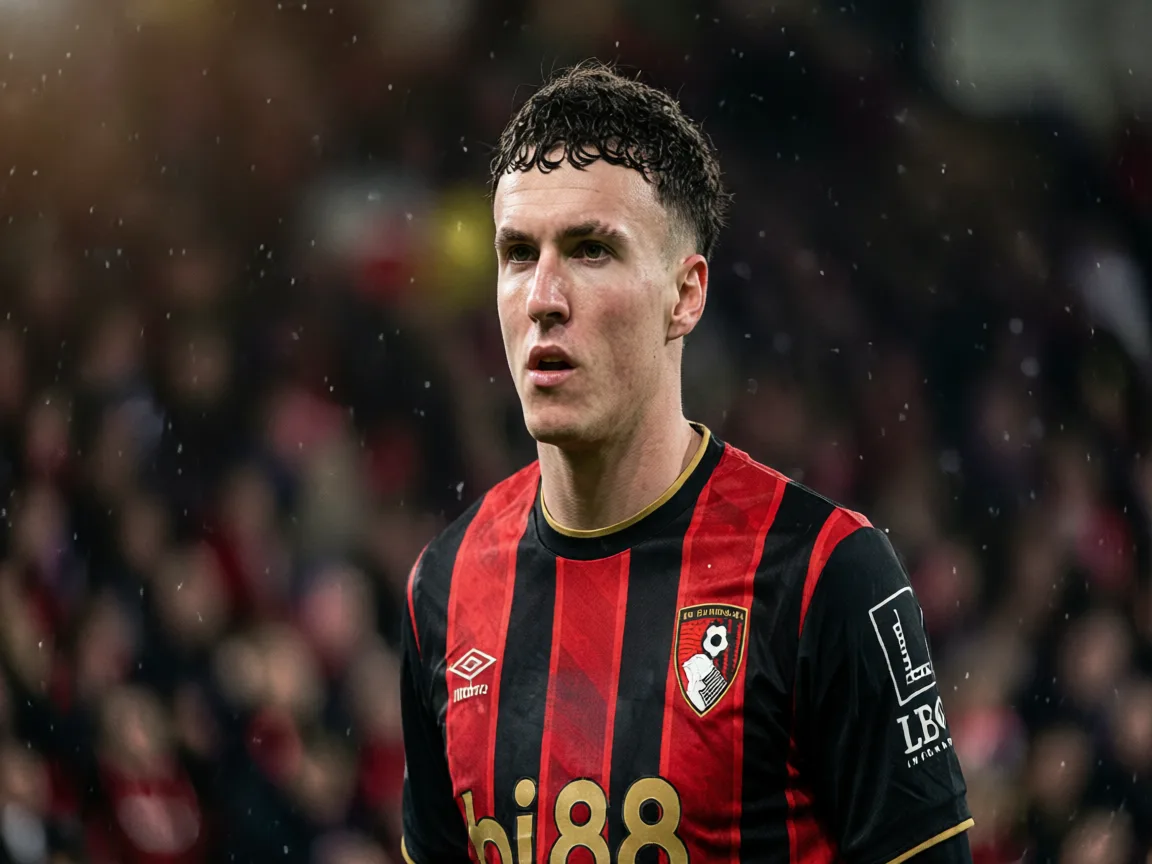
Bournemouth Ships Suspended Jimenez to Fiorentina Amid Probe
Bournemouth defender Alex Jimenez, suspended over social media allegations, is set for a loan move to Serie A side Fiorentina.
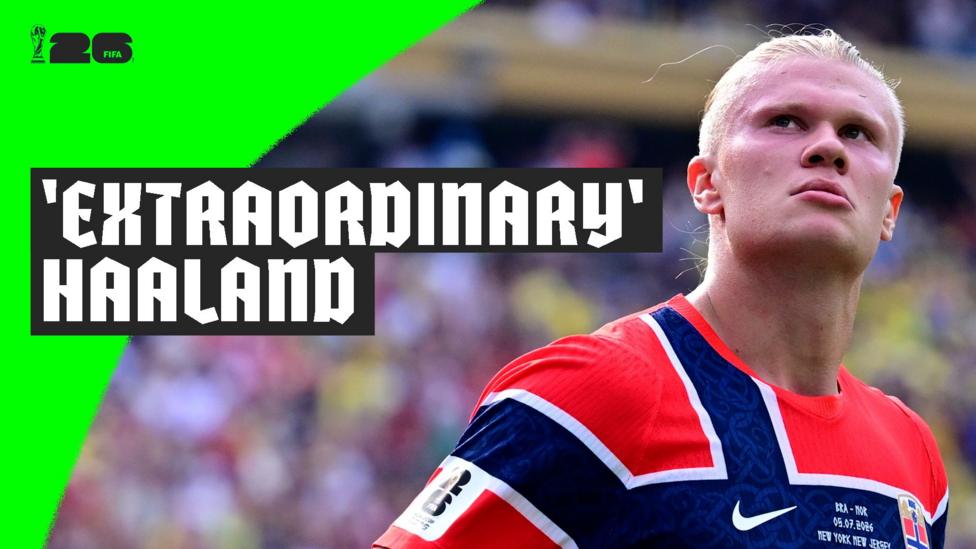
Haaland Double Buries Brazil: Norway Storm Into World Cup Quarters
Erling Haaland's brace knocked five-time champions Brazil out of the 2026 World Cup, sending Norway into uncharted territory.

Groups I-L: Tactical Depth Defines World Cup 2026's Final Preview
The concluding preview dissects Groups I-L, where tactical battles and underdog stories could define the 2026 World Cup.