46 Years of Silence: Roly Gregoire and the Debt Football Still Owes
Sunderland's first Black player broke four decades of painful silence on racist abuse — and the game should be listening.
A Pioneer Who Wishes He Hadn't Been One
There is a particular cruelty in being first. History remembers the trailblazer's name, enshrines it in programme notes and anniversary columns, yet rarely pauses to ask what the trail actually felt like beneath their feet. For Roly Gregoire, Sunderland's first Black footballer, that trail was paved with racial hatred so relentless and so unchallenged that, 46 years after pulling on the red and white shirt, he sometimes wishes he had never stepped onto a football pitch at all.
That admission alone should stop every football supporter, every administrator, every player union rep mid-scroll. Not because it is surprising — the history of racism in English football is exhaustively documented — but because of how long it took for this particular man to say it publicly. Nearly half a century of carrying that weight in silence. Not in a courtroom, not in a documentary, not in a newspaper tell-all. Just alone with it.
Gregoire's story does not fit neatly into the triumphant arc that football prefers for its diversity narratives. There is no slow-motion montage here, no stirring orchestral score. There is a man who endured vile abuse on terraces and in dressing rooms during an era when racism in the English game was not merely tolerated but effectively structural — and who came out the other side damaged by it.
The Context: English Football's Ugly Foundations
To understand Gregoire's experience, you have to understand the landscape of English football in the late 1970s and early 1980s. This was not a fringe problem confined to a handful of hooligans. Racism was woven into the fabric of matchday culture. Banana-throwing, monkey chants, and explicit slurs were routine across virtually every ground in the country. The National Front actively recruited on terraces. Police rarely intervened. Club officials said nothing.
Against that backdrop, imagine being the sole Black player at a major club in the north-east of England. Not one of several, as later generations of Black footballers at least had the thin comfort of shared experience, but singular. The only target. Gregoire did not have a Cyrille Regis or a Laurie Cunningham or a Luther Blissett at his side in red and white. He stood alone.
The scale of the abuse Black players faced in that era is staggering when measured against modern standards. A 1993 study by the Commission for Racial Equality found that over 70% of professional Black footballers in England had experienced racist abuse from supporters during the preceding season. That figure, appalling as it was, was taken nearly a decade after Gregoire's playing days. The number during his era was almost certainly closer to universal.
What made it worse was institutional complicity. The Football Association did not introduce its first formal anti-racism campaign until 1993, when Kick It Out was launched. The Professional Footballers' Association was slow to mobilise. Club chairmen routinely dismissed complaints as oversensitivity. There was no framework, no language, no support structure. If you were a Black player in the 1970s and 1980s and you were being racially abused, the message from the game's power structures was unmistakable: deal with it yourself.
The Silence Speaks Volumes
The most devastating element of Gregoire's revelation is not the abuse itself — horrific as it was — but the 46-year silence that followed. Nearly five decades of not being able to talk about it. Not because he lacked courage, but because the emotional cost of revisiting those memories was simply too high.
This is a pattern that echoes across the experiences of pioneering Black athletes in multiple sports. The first generation did not get the luxury of processing their trauma in public. They were expected to perform, to endure, and to be grateful for the opportunity. Speaking up was not only discouraged but actively punished. Complaints were treated as weakness. Showing pain was treated as an admission that you were not tough enough to belong.
Gregoire's willingness to break that silence now, after all these years, is not an act of bitterness. It is an act of precision. He is setting the record straight — stripping away the sanitized club history, the anniversary tributes, the casual assumption that being Sunderland's first Black player was somehow an honour rather than an ordeal. He is telling the truth, and the truth is that football failed him.
Sunderland's Responsibility
Sunderland are not unique in this regard. Virtually every English club that fielded early Black players owes debts of acknowledgment that remain unpaid. But the specific case of Gregoire should prompt serious reflection at the Stadium of Light.
The club has made strides in modern anti-discrimination work, as have most professional English clubs. But institutional progress and personal reckoning are different things. Sunderland can point to SAFC's Equality, Diversity and Inclusion initiatives, to partnerships with Show Racism the Red Card, to community outreach in the north-east. These efforts are real and they matter.
None of that erases what Roly Gregoire experienced, and none of it erased the decades of pain that followed. A club honouring its history is not just about celebrating the players who scored goals and won promotions. It is about confronting the full truth of what those players went through. If Sunderland have not yet formally acknowledged Gregoire's experience and apologised for the environment the club allowed to exist around him, they should. Not as a PR exercise, but because it is owed.
The Broader Pattern
Gregoire's story lands at a moment when English football is wrestling, again, with the limits of its anti-racism commitments. The 2021 UEFA Euro final saw three Black England players — Marcus Rashford, Jadon Sancho, and Bukayo Saka — subjected to a torrent of racist abuse online after missing penalties in the shootout against Italy. The response was swift and furious, with arrests, stadium bans, and parliamentary condemnation.
But the structural problem persists. A 2023 report by Kick It Out recorded a 65% increase in discriminatory incidents across English professional football compared to the previous season. Online abuse remained the dominant channel, but incidents at grounds also rose. The problem has not been solved. It has been digitised.
What Gregoire's silence illustrates is that the psychological damage of racism in football does not disappear when the final whistle blows. It accumulates. It compounds. It lasts a lifetime. The game's governing bodies can commission reports and launch campaigns, but until the sport genuinely reckons with the full depth of harm it has allowed — harm stretching back decades — those efforts will remain incomplete.
What Football Still Owes Roly Gregoire
There is no statute of limitations on suffering, and there is no award that compensates for what Gregoire endured. But recognition matters. Specifically:
- The Football Association should formally acknowledge the experiences of pioneering Black players who were left unprotected by the governing body's failure to act.
- Sunderland should incorporate Gregoire's full, unvarnished story into their official club history, not as a footnote but as a central chapter.
- The PFA should document and archive first-person accounts from surviving pioneers while they are still able to share them, creating a permanent record that future generations cannot ignore or dilute.
The Bottom Line
Roly Gregoire wished he had never played football. Read that sentence again and sit with it. A man whose talent earned him a place in the professional game, whose courage as Sunderland's first Black player should have been celebrated in real time, wishes it had never happened — because the abuse was that corrosive and the silence was that long.
Football likes to tell itself it has moved on. The Premier League's marketing machine produces glossy anti-racism content every February. Clubs take the knee and post black squares and release carefully worded statements. All of it is better than nothing. None of it is enough.
Gregoire broke 46 years of silence not to be celebrated as a pioneer but to make one thing abundantly clear: the cost of being first should never have been his alone to carry. The game owes him more than it can ever repay. The least it can do is listen.
Editorial Integrity
This is an original SportPulse article written by our editorial team. All content is independently researched, written, and reviewed by our writers and editors before publication. We do not publish copied, aggregated, or syndicated content.
SportPulse is committed to original sports journalism. Read our editorial policy or contact us with any questions.
More Like This
All football
Football's Calendar Chaos Risks Becoming Its Own Toughest Opponent
As other sports refine their schedules, football's relentless expansion shows no signs of slowing.
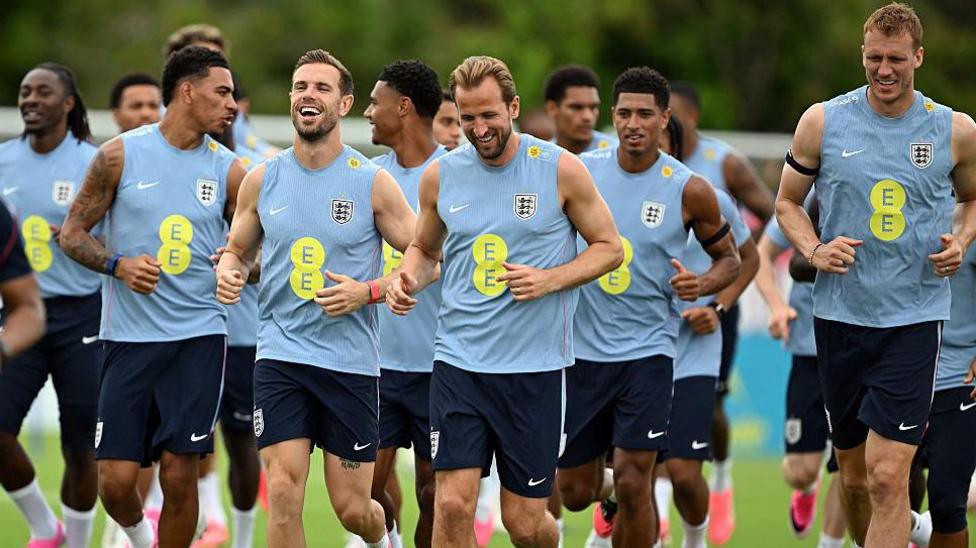
Inside England's SkyJo Obsession: The Tactical Psychology of Squad Cohesion
England's credit-card game obsession reveals how Southgate's successor weaponizes off-pitch psychology for on-pitch tactical cohesion.
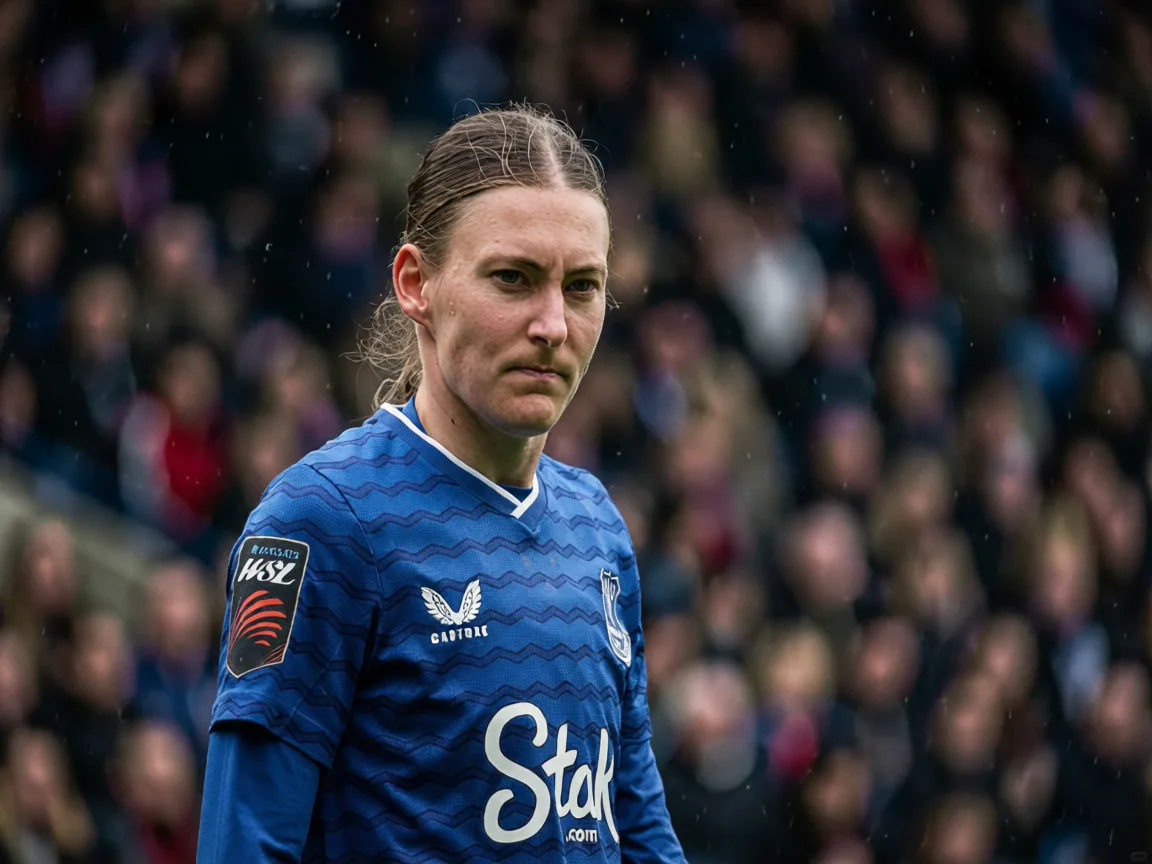
Everton Push to Make Blundell Stay Permanent After Loan Success
Everton are negotiating a permanent deal for Hannah Blundell after her loan transformed the backline into one of the WSL's stingiest defenses.