Ronaldinho Signs for Serie C Ravenna at 46: 'Let the Magic Begin'
Brazil's most electrifying footballer is back, joining a tiny Italian club run by a restaurant mogul in the most Ronaldinho move imaginable.
The Dance Returns
Ronaldinho is back. Not on a charity pitch. Not in an exhibition hall. The 46-year-old Brazilian legend has signed a contract with Ravenna, a Serie C club in northeastern Italy, more than a decade after his last professional appearance.
The announcement came at a presentation in Miami, of all places. The man who made football look like jazz stood at a podium and did what he always does: made everyone smile.
"I cannot wait to dance with the ball. Football has always been joyful for me, and I'm excited to bring that spirit to Ravenna. Let the magic begin!"
This is not a drill.
A Career That Defied Gravity
For anyone under 30 who missed the peak years, context matters. Ronaldinho didn't just play football. He bent it to his will, made defenders look foolish, and turned every touch into theater.
Two-time FIFA World Player of the Year (2004, 2005). Ballon d'Or winner in 2005. A 2002 World Cup champion with Brazil, scoring that infamous free kick against England that David Seaman still has nightmares about.
At Barcelona, he resurrected a dying giant. Between 2003 and 2008, he led the club to two La Liga titles and a Champions League crown, winning the Bernabéu crowd to a standing ovation in a Clásico. That moment alone earned him immortality.
AC Milan, Flamengo, Atlético Mineiro, Querétaro followed. His last professional match came in 2015 with Fluminense. Since then, he's been spotted at charity games, futsal exhibitions, and music events. Always smiling. Always juggling.
Until now.
The Cipriani Connection
Here's where the story gets its flavor. Ravenna is not a normal Serie C club. It's owned by Ignazio Cipriani, heir to the famous Venetian restaurant dynasty that turned bellinis and carpaccio into global luxury brands.
Cipriani didn't hide his motivations at the Miami event.
"He was my idol growing up. I hope his involvement inspires a new generation of supporters to fall in love with Ravenna."
The club sits in Serie C Group B, Italy's third tier, competing against modest provincial outfits. Ravenna averaged crowds of roughly 1,500 to 2,000 last season. That number is about to change.
Cipriani sees Ronaldinho not as a tactical asset but as a brand catalyst. This is marketing alchemy: pair the most recognizable smile in football history with a restaurant empire's prestige project, and watch the global spotlight swing toward a city better known for Byzantine mosaics than bicycle kicks.
Can He Actually Play?
Let's be honest about the elephant on the pitch. Ronaldinho will be 47 by the time Serie C kicks off in August. He hasn't played competitive football in over a decade. His body carried extra weight during his final professional seasons. The explosive burst that terrorized fullbacks in the mid-2000s is gone.
But here's the thing: Serie C is not the Champions League. The pace is slower, the defending less sophisticated, the margins wider. A Ronaldinho at even 30 percent of his peak could produce moments of magic at this level.
The real question is fitness. Can he manage 90 minutes? Will he feature as a substitute, a 20-minute cameo merchant who comes on to rile up the crowd and thread one impossible pass? That seems the most realistic deployment.
The Trend of Legend Signings
Ronaldinho's move fits a growing pattern. Lower-league clubs across Europe have increasingly turned to aging superstars for short-term commercial impact.
David Beckham at PSG and Miami. Wayne Rooney at Derby County. Gareth Bale briefly with Los Angeles FC. Even Zlatan Ibrahimović stretched his Milan career into his 40s.
But Ronaldinho's case is different. He's not joining a club competing for promotion or silverware. He's joining a club competing for attention. The precedent is closer to Diego Maradona's stint at Dorados de Sinaloa in Mexico's second division in 2018, where the Argentine legend coached but the principle was identical: stardust sprinkled on a small club creates headlines.
The risk is spectacle over substance. If Ravenna's Serie C rivals view this as a circus act, the competitive integrity of the league could face scrutiny. Italian football's governing bodies will need to monitor registration rules and squad compliance carefully.
What the Numbers Say
- Ronaldinho's professional career spanned 17 years (1998-2015)
- 97 caps and 33 goals for Brazil
- 207 appearances for Barcelona, scoring 94 goals
- Won trophies in three countries: Spain, Italy, and Brazil
- Last professional goal came in 2015 for Fluminense
- Serie C features 60 clubs across three regional groups
The Atmosphere Inside the Announcement
The Miami presentation had the energy of a product launch rather than a press conference. Cipriani staff served signature cocktails. Photographers packed the room. When Ronaldinho walked out in Ravenna's colors, the room erupted.
He juggled a ball briefly, grinning like a teenager on trial. Staff members recorded on their phones. A club official stood nearby, visibly stunned that this was actually happening.
The scene was pure Ronaldinho: casual, theatrical, and utterly irresistible. No stiff boardroom handshake. Just a man who loves a ball and a ball that loves him back.
What It Means
For Ravenna, this is a once-in-a-lifetime publicity injection. Shirt sales, social media followers, and global media coverage will spike overnight. Cipriani's investment just became exponentially more visible.
For Serie C, it's a credibility boost and a logistical headache. Matchday security, broadcast interest, and away-fan demand will all surge when Ronaldinho's name appears on the team sheet.
For Ronaldinho, it's a final chapter written on his own terms. He could have stayed retired, cashed appearance fees, and played padel in Belo Horizonte. Instead, he chose a tiny Italian city and a restaurant mogul's passion project.
That's the most Ronaldinho thing imaginable.
The magic begins in August. Whether it lasts 90 minutes or 90 seconds at a time, every touch will be worth watching.
Editorial Integrity
This is an original SportPulse article written by our editorial team. All content is independently researched, written, and reviewed by our writers and editors before publication. We do not publish copied, aggregated, or syndicated content.
SportPulse is committed to original sports journalism. Read our editorial policy or contact us with any questions.
More Like This
All football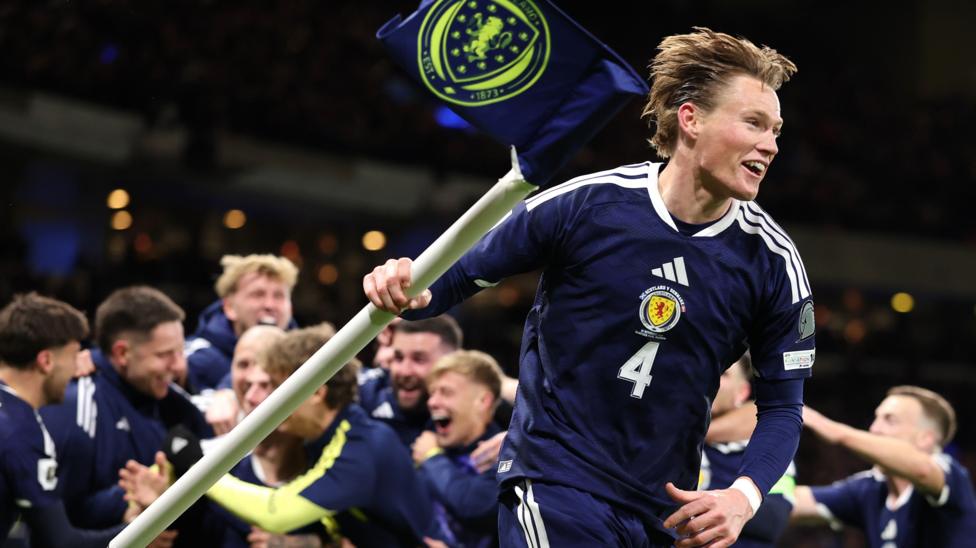
How McTominay Became Napoli's Super Mario
Rejected at Old Trafford, reborn in Naples: Scott McTominay's dramatic transformation from squad player to Serie A icon.
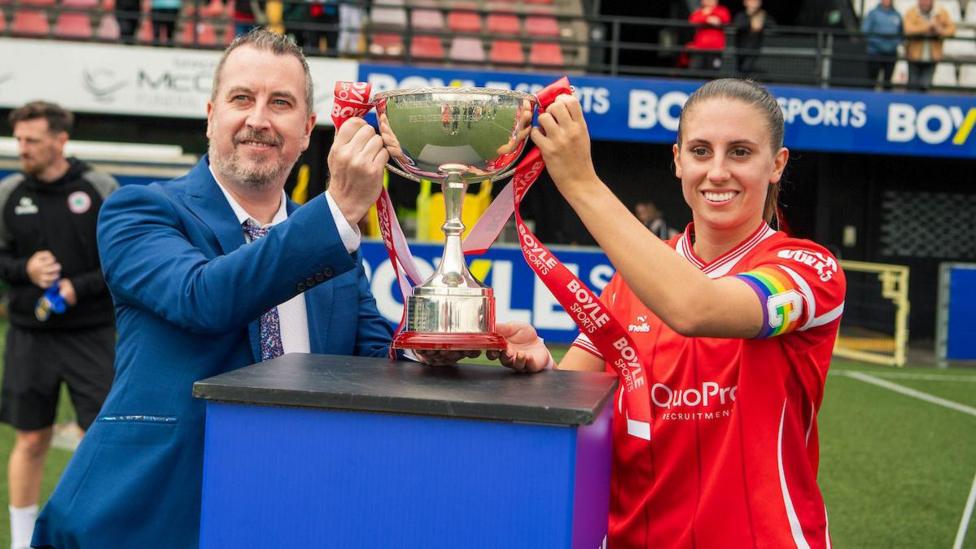
Cliftonville's Women Eye Historic Treble After League Cup Triumph
Kelsie Burrows leads Cliftonville's bold charge toward an unprecedented domestic treble after their emphatic League Cup final victory.
Refereeing Chaos Threatens to Define a World Cup That Deserves Better
Kane denied a stonewall penalty, Balogun harshly sent off — VAR's inconsistency is the real villain of this World Cup.