Ronaldo's Shadow Looms Over Portugal as DR Congo Claim Historic First World Cup Point
Cristiano Ronaldo's peripheral display and Martínez's baffling substitution cost Portugal dearly as DR Congo earned a landmark draw.
When the Legend Outweighs the Logic
Roberto Martínez had a simple decision to make. His Portugal side was laboring, the clock creeping toward 83 minutes, and Gonçalo Ramos was stripped and ready on the touchline. The striker who actually offers movement, pressing, and a modern forward's toolkit was waiting. The man who had spent the previous 80-odd minutes drifting through the match like a ghost of World Cups past was still on the pitch.
Martínez chose the ghost.
Vitinha, one of Portugal's most technically gifted midfielders, was the one withdrawn. Cristiano Ronaldo stayed. And in that single, baffling substitution lay everything wrong with how this Portugal squad is being managed at the most critical tournament on the planet.
The result: DR Congo claimed their first ever World Cup point, a draw that felt seismic for the African nation and deeply concerning for a Portuguese side with genuine ambitions of lifting the trophy this summer. Yoane Wissa, the Brentford forward, delivered the moment his country will never forget.
A Night Built for One Man Who Never Showed Up
The stage was practically gift-wrapped. The night before, Lionel Messi had produced a hat-trick against Algeria for Argentina, a performance of staggering brilliance that reminded the world what generational greatness looks like in the twilight of a career. Across the stands in this Group K encounter, Ronaldo's followers had gathered in force. Many wore his iconic No. 7 shirt. Many spoke with local accents, Portuguese diaspora who had traveled for this.
They wanted their Messi moment. They got a cameo.
Ronaldo managed two half-chances across the entire match. Two. For a player whose entire brand is built on big-game dominance, on defying age, on proving doubters wrong with goals that scream louder than any argument, this was a hollow evening. He slogged through the final minutes like a man running on reputation alone.
"The crowd did their best to cajole a meaningful contribution from their idol, but ultimately they had to settle for being under the same roof."
That line from the match report says everything. Presence without impact. A body on the pitch without a purpose.
Behind the Deal: FIFA's Ronaldo Gamble Backfires
Here is the subplot that makes this even more uncomfortable. Ronaldo should not even have been eligible for this match. He was serving a suspension, one that Gianni Infantino and FIFA went to considerable lengths to have overturned or circumvented before kickoff. The watching FIFA president could have been forgiven, as the report notes, for wondering whether all those contortions had been worthwhile.
The answer, on this evidence, is a resounding no.
FIFA bending its own rules to ensure the tournament's biggest draw card stays on the pitch is nothing new. The commercial logic is obvious. But when the player in question delivers a performance this anonymous, the optics become toxic. Every neutral observer watching this match saw what the numbers confirmed: Ronaldo's presence is no longer a tactical asset for Portugal. It is an obligation.
And Martínez is enabling it.
DR Congo: A Point That Changes Everything
Lost in the Ronaldo discourse is the extraordinary achievement of Sébastien Desabre's side. DR Congo have never claimed a World Cup point before. Ever. This is a nation with a rich footballing history in Africa, two Africa Cup of Nations titles (as Zaire in 1968 and 1974), and a passionate supporter base that has waited decades for this stage.
Yoane Wissa delivered it.
The Brentford man has quietly become one of the most reliable African forwards in the Premier League, a player whose intelligent movement and finishing instincts have made him indispensable for Thomas Frank at club level. On this night, on the grandest stage of all, he produced the moment that will define his international career.
Wissa's goal was more than a statistic. It was a statement that DR Congo belong at this World Cup, that the expanded tournament format is delivering exactly what it promised: genuine moments of history for nations that would never have reached this stage under the old 32-team structure.
Portugal's Tactical Problem Runs Deeper Than Ronaldo
Martínez's substitution decisions masked a broader malaise. Portugal's squad is stacked with talent. Vitinha, Bruno Fernandes, Bernardo Silva, Rafael Leão, Ramos. On paper, this is a team that should be dismantling Group K opposition with ruthless efficiency.
Instead, they looked stale, predictable, and too often funneled through a player who can no longer create the chaos that once defined him. When Vitinha was withdrawn instead of Ronaldo, it told the dressing room something damaging: no one is bigger than the legend, even when the legend cannot deliver.
The tactical implications are significant. Without Vitinha's progressive passing and ball retention in midfield, Portugal lost their rhythm entirely in the final stages. Bringing Ramos on only to remove a creative hub rather than an ineffective forward made the attacking shape worse, not better. It was a substitution designed to protect Ronaldo's ego rather than win the match.
What This Draw Means for Group K
A single point against DR Congo is not catastrophic for Portugal's qualification hopes, but it narrows their margin for error significantly. Every dropped point in a World Cup group stage carries exponential weight, and the psychological impact of failing to beat the lowest-ranked team in the group cannot be overstated.
For DR Congo, this is validation. One point opens the door to the impossible: a knockout-stage berth that would rank among the great World Cup underdog stories.
The Question Martínez Cannot Dodge Forever
Portugal's manager has built his entire tactical framework around accommodating Ronaldo. The formation, the build-up patterns, the substitution hierarchy, all of it orbits a player whose gravitational pull off the pitch now vastly exceeds his influence on it.
The uncomfortable truth: Portugal are a better team without Ronaldo starting. Ramos offers pressing, movement, link-up play, and the capacity to play as part of a fluid attacking unit rather than as the fixed point everything must revolve around.
But dropping Ronaldo is not a footballing decision. It is a political one. And Martínez has shown, through his baffling substitution choices, that he is not prepared to make it.
Until he is, Portugal will keep laboring. They will keep drawing matches they should win. And players like Wissa will keep writing history at their expense.
"His presence, once glorious, is nowadays a dead weight."
That is not a verdict from a rival pundit. It is the cold summary of what everyone in the stadium witnessed. The question now is whether anyone inside the Portugal camp has the courage to say it out loud.
Editorial Integrity
This is an original SportPulse article written by our editorial team. All content is independently researched, written, and reviewed by our writers and editors before publication. We do not publish copied, aggregated, or syndicated content.
SportPulse is committed to original sports journalism. Read our editorial policy or contact us with any questions.
More Like This
All football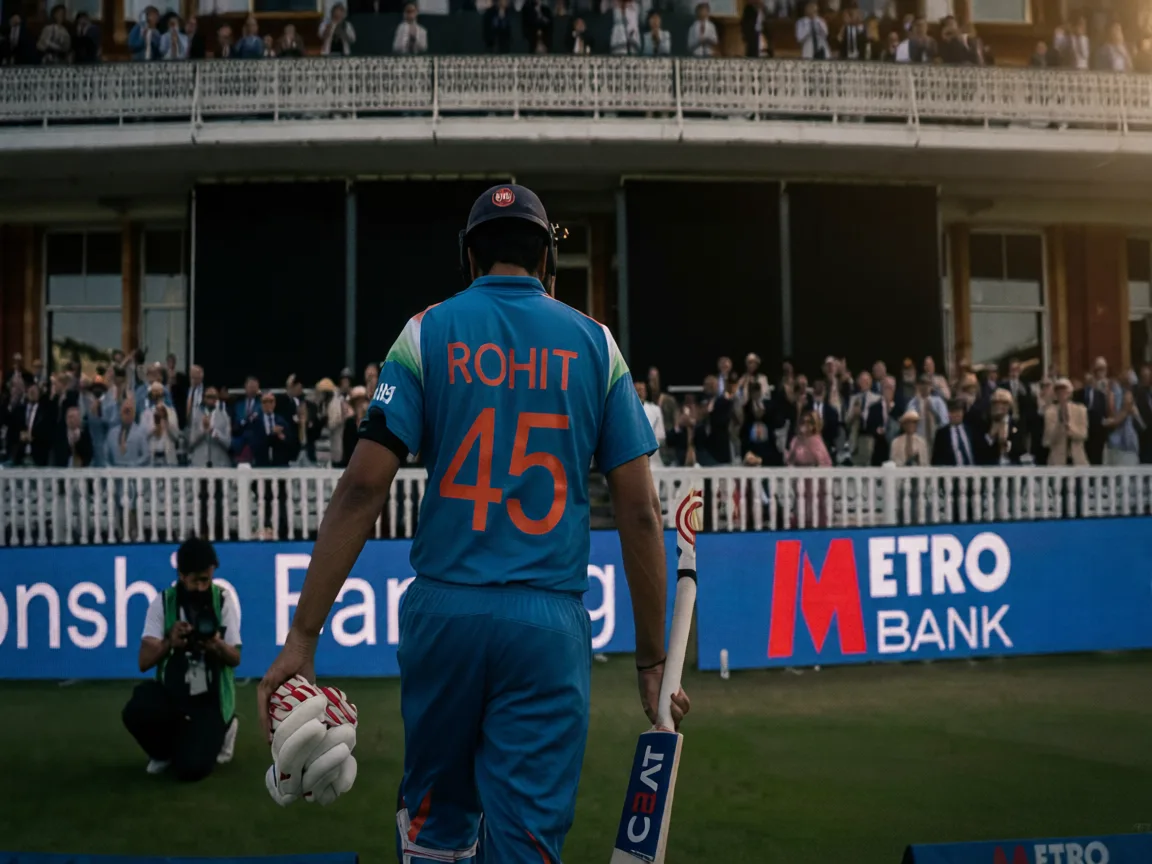
Rohit's Lord's Masterclass: 138 Runs, One Defining Series
Rohit Sharma's 138 at Lord's puts India on the brink of an iconic series win before Bethell struck to end the heroic innings.
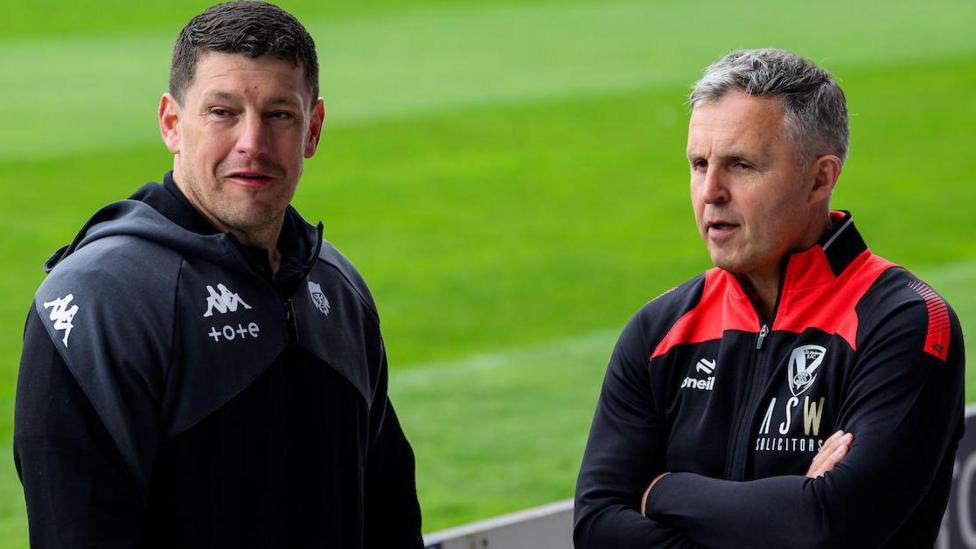
Peet and Rowley Back Magic Weekend Move to Hill Dickinson
Wigan's Matt Peet and Paul Rowley unite in praise as Super League Magic Weekend gets a stadium upgrade at Hill Dickinson.
Haaland Delivers Again for Norway as France Look Untouchable
Erling Haaland's late heroics keep Norway alive, but France's demolition of Sweden sends a chilling message to every World Cup contender.