Saint Levant: Gaza's Pop Provocateur Testing The Limits of Art and Activism
A Gaza-born pop star with millions of streams is forcing an uncomfortable question: can celebration coexist with catastrophe?
The Paradox of Pop in Wartime
Nesrine Malik's long-read podcast doesn't just cover a musician. It dissects a cultural flashpoint. Saint Levant, a 24-year-old pop star of Palestinian descent, finds himself at the center of a bitter debate about what art is allowed to do when his homeland is under bombardment. His critics are vocal and unrelenting. They argue that manufacturing slick, danceable pop music while Gaza burns is, at best, a distraction and, at worst, a betrayal of a people under siege. His defenders are just as committed. They say he has given a fractured diaspora permission to feel something other than grief.
This isn't a simple story of an artist finding fame. It is a high-stakes referendum on Palestinian cultural identity in the digital age. Saint Levant, born Marwan Kheir el-Din, occupies a space where global streaming algorithms intersect with a brutal, decades-long geopolitical conflict. He sings in Arabic, French, and English. He looks like a conventional pop idol. And that is precisely why he has become a target.
The Numbers Behind the Noise
- Millions of streams across platforms, building a devout global following.
- A multi-lingual discography that bridges Western pop sensibilities with Middle Eastern identity.
- A rapidly expanding digital footprint that amplifies both his supporters and his detractors in equal measure.
His detractors say he shouldn’t be making pop music in times of war and destruction. His fans say he has given them permission to celebrate their culture and their cause.
The Case Against Celebration
The critique leveled at Saint Levant is not arbitrary. It is rooted in a specific political gravity. When images of flattened residential blocks in Gaza dominate global news cycles, the optics of a young, fashionable singer performing to screaming crowds become a target. Detractors argue that there is a moral imperative to reflect the reality on the ground. Any deviation into pop frivolity is viewed as a dangerous dilution of the Palestinian narrative.
This argument carries historical weight. For decades, Palestinian cultural output has been inextricably linked to the resistance. Music was a tool for political mobilization, not personal branding. It was the language of the intifada, not the algorithm. Critics argue that by adopting the aesthetics of Western pop, Saint Levant risks turning a diaspora's trauma into content. The accusation is that he aestheticizes a struggle that demands urgent, unfiltered political action.
The underlying tension is sharp. When the death toll climbs daily, a catchy chorus can feel like an insult. His critics within the community argue that trauma requires witness, not performance. The pressure to conform to a narrative of pure suffering is immense. Any deviation is treated as a dereliction of duty.
Verdict: The moral argument against Saint Levant is understandable. Wartime demands focus, and pop's inherent frivolity can feel obscene. But demanding that every Palestinian artist function as a full-time political dissident is its own form of erasure.
The Defense of Joy
On the other side of the divide is a generation that has grown up online. They are the ones who refuse to let Saint Levant be defined solely by the tragedy inflicted upon their homeland. For his millions of fans, his music is not a distraction from the Palestinian cause. It is an extension of it. To exist, to dance, and to produce art indistinguishable from global pop is, in itself, an act of defiance against a system that seeks to erase them.
Malik's analysis highlights a crucial shift in diaspora activism. The older generation built its identity on the foundation of loss. The younger generation is trying to build one on the foundation of existence. They want a culture that includes joy, not just mourning. They need artists who look like them, sound like them, and embrace global modernity without abandoning their roots. Saint Levant provides exactly that.
His music is a palatable bridge. It speaks to the second-generation diaspora in Europe and America, code-switching between languages in a way that mirrors their own lives. The detractors misread this as assimilation. The fans understand it as strategic dominance of the algorithmic space. If Palestinian identity only exists in the West's consciousness as a subject of pity and destruction, then the cultural war is already lost. Saint Levant forces the algorithm to recognize Palestinians as vibrant, modern, and alive.
The Generational Schism
- The Old Guard: Views art as a direct tool of political resistance, inseparable from the struggle. Aesthetics must serve the politics.
- The Digital Native: Views algorithmic visibility as the primary battleground. Aesthetics are the vehicle. Joy is the resistance.
The Bottom Line: Saint Levant's fans are not naive. They are fighting a different kind of war. One where the weapon is visibility, and the goal is to refuse the role of the perpetual victim.
The Uncomfortable Middle Ground
The brilliance of Malik's podcast is that it refuses to resolve the tension. Saint Levant is not a hero or a villain. He is a pioneer navigating a minefield. His success exposes the impossible standards placed on marginalized artists, particularly those from regions defined by conflict. He is expected to be a spokesman, a historian, a martyr, and a pop star all at once.
The person caught in the crossfire is the artist himself. Saint Levant's attempt to bridge these worlds makes him a perpetual target for criticism. When he speaks about Palestine, he risks being accused of weaponizing his identity for streams. When he makes apolitical pop music, he is accused of ignoring his people's suffering. There is no correct move.
This dynamic is not unique to him. Every artist emerging from a crisis zone faces this Catch-22. We see it in Ukrainian musicians, in Russian dissenters, and in Syrian filmmakers. But the intensity of the Gaza conflict and the pervasive role of social media have amplified the backlash. Saint Levant is operating under a microscope where every aesthetic choice is dissected for political meaning.
What This Cultural Collision Means
Saint Levant's trajectory tells us something profound about the future of cultural production in conflict zones. The days of monolithic, state-sanctioned resistance art are over. The internet has decentralized identity. It has empowered individuals to carve out their own narratives, even if those narratives clash with the approved line of the movement.
This is the new reality of diaspora culture. It is messy, contradictory, and deeply uncomfortable for purists. The conversation around Saint Levant is the first of many. As more artists from marginalized communities gain global platforms, the tension between authentic representation and algorithmic appeal will only intensify.
The Saint Levant debate is a proxy war for the soul of the Palestinian diaspora. It is a fight over whether the culture's primary output should be mourning or living. It is a fight over who gets to define what it means to be Palestinian in the 21st century. And it is a fight that, with or without the critics' blessing, is already being streamed to millions of phones worldwide.
The Bottom Line: The controversy is not about the music. It is about ownership of a narrative. And that narrative is being rewritten, one pop chorus at a time.
Editorial Integrity
This is an original SportPulse article written by our editorial team. All content is independently researched, written, and reviewed by our writers and editors before publication. We do not publish copied, aggregated, or syndicated content.
SportPulse is committed to original sports journalism. Read our editorial policy or contact us with any questions.
More Like This
All long-reads
Prisoner 804: The Slow Erasure of Pakistan's Greatest Sporting Icon
From World Cup glory to a prison cell, Imran Khan's story exposes the dangerous entanglement of sport and state power in Pakistan.

VingegaardDeniesPogacarinTourdeFranceOpeningStageTimeTrial
Jonas Vingegaard snatched yellow from Tadej Pogacar in a tense Tour de France opening team time trial.
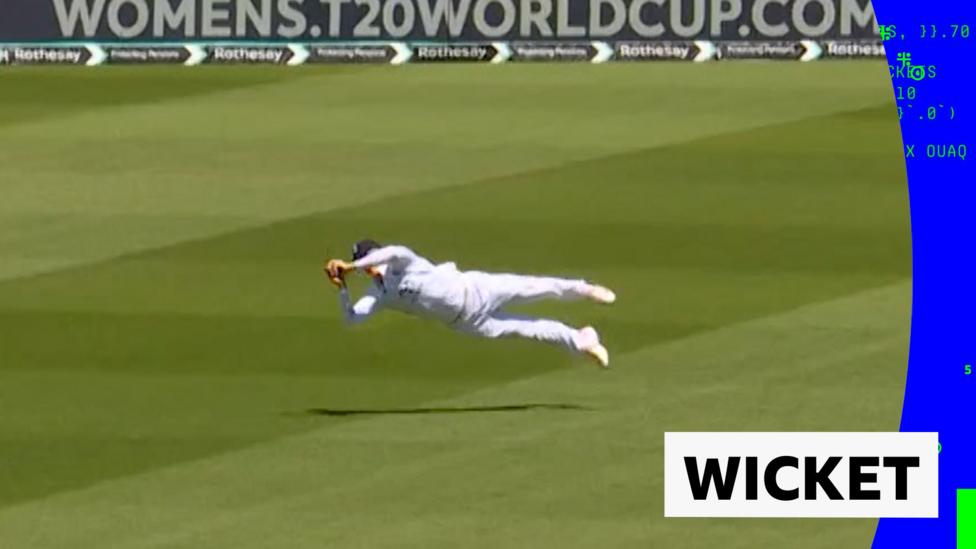
Bethell's Screamer Silences Latham as Archer Strikes Early at The Oval
Jacob Bethell's gravity-defying diving catch removes Tom Latham for 27, setting the tone for England's attack on day one.