Salah's Hamstring Scare Threatens to Derail Egypt's World Cup Dream
Mohamed Salah's hamstring injury leaves Egypt facing their defining World Cup knockout match without their talisman.
The Injury That Changes Everything
There is no diplomatic way to say this: if Mohamed Salah misses Friday's World Cup last-32 tie against Australia, Egypt's tournament effectively ends before it truly begins. The Egyptian Football Federation confirmed that their captain is a doubt after suffering a hamstring injury, and for a nation that has built its entire tactical identity around one man's brilliance, that single medical bulletin carries the weight of an entire footballing culture.
Salah isn't merely Egypt's best player. He is the gravitational center around which every attacking pattern orbits. Remove him, and the Pharaohs don't just lose a forward. They lose their reference point, their pressure release valve, and their single most reliable source of match-winning moments on the biggest stage imaginable.
A Career Defined by International Heartbreak
The cruel irony isn't lost on anyone who has followed Salah's international career. The 32-year-old has carried Egypt through qualification campaigns and continental tournaments with a burden that would buckle most players, yet the World Cup has consistently been the stage where fate intervenes against him.
Those who remember the 2018 tournament in Russia will recall how a shoulder injury sustained during the Champions League final limited Salah's effectiveness as Egypt crashed out in the group stage without winning a single match. The image of him sitting alone in the dressing room after the defeat to Saudi Arabia became one of the tournament's most haunting photographs.
Now, with Egypt finally back in the knockout rounds and dreaming of a historic run, the football gods appear to be drafting the same script. A hamstring injury at this stage of a tournament is particularly devastating. These are not knocks you shake off in 48 hours. Even Grade 1 hamstring strains typically require a minimum recovery window that makes a Friday appearance touch and go at best.
What Egypt Look Like Without Him
The tactical implications of Salah's absence would be seismic. Egypt's manager has constructed a system that funnels possession toward the right channel, where Salah's ability to drift inside onto his stronger foot creates a constant dual threat. Opposing defenses must choose between staying wide to prevent his trademark curling runs or shifting centrally to block the shooting lane. That dilemma is what unlocks space for everyone else.
Without Salah, that right flank becomes a fundamentally different proposition. Egypt would likely need to shift their attacking emphasis toward a more direct, central approach or rely on wide delivery from the opposite side. Neither option carries the same cutting edge.
The psychological dimension matters just as much. Egypt's squad draws enormous confidence from knowing Salah is on the pitch. His presence forces opponents to commit extra defensive resources, which creates pockets of space for teammates who would otherwise be tightly marked. Remove that threat, and Australia's defenders can push higher, compress the midfield, and squeeze the life out of Egypt's build-up play.
The Australian Angle
Australia will have prepared meticulously for facing Salah. Their coaching staff will have spent hours studying his movement patterns, his tendency to cut inside, and the specific triggers that prompt him to accelerate into dangerous positions. If Salah is ruled out, all that preparation becomes obsolete.
That said, the Socceroos won't be complaining. Australia have built a reputation as a disciplined, physically robust side that thrives in knockout football when the margins are razor-thin. They understand tournament football. They know how to grind out results. Facing an Egypt side without their talisman represents a significant upgrade in their prospects of advancing to the last-16.
Australia's defensive structure has been one of the underrated stories of this tournament. Their ability to stay compact and limit space between the lines has frustrated more technically gifted opponents. Against an Egypt team forced to find alternative creative solutions, that organizational discipline could prove decisive.
The Depth Problem
This is where the broader question of Egyptian football's development comes into focus. For years, the national team's fortunes have been disproportionately tied to one player. It's a pattern common among nations with a singular superstar, but it creates a structural vulnerability that opponents actively seek to exploit.
Egypt's squad depth in attacking positions simply doesn't compare to the elite nations in this tournament. When Brazil lose a forward, they call on another world-class option. When France suffer an injury in attack, the replacement is often a Champions League regular. Egypt's alternatives, while talented and committed, operate at a fundamentally different level.
The Egyptian Premier League, despite its passionate following and historic clubs like Al Ahly and Zamalek, does not produce players with the kind of elite European experience that prepares you for knockout World Cup football. Salah transcends that gap through sheer individual brilliance. No one else in the squad can replicate that.
Friday's Decision
The next 72 hours will be defined by medical assessments, training ground tests, and ultimately a judgment call that balances competitive ambition against a player's long-term health. Hamstring injuries are notoriously deceptive. A player can feel fine walking, fine jogging, and then break down the first time they reach full sprint in a match situation.
Egypt's medical staff face an unenviable dilemma. Play Salah and risk a more serious injury that could sideline him for months, potentially affecting his club career. Or hold him back and accept that the team's knockout campaign may hinge on players who weren't expected to carry this burden.
There is a third, middle-ground option that most managers secretly favor: name Salah in the starting lineup, have him play 50 to 60 minutes, and hope his presence alone is enough to unsettle Australia before withdrawing him as a precaution. It's a gamble, but knockout football at a World Cup doesn't reward caution.
The Bigger Picture
Regardless of whether Salah takes the pitch on Friday, this injury scare exposes a conversation Egyptian football has been deferring for too long. The Pharaohs need to develop a generation of players capable of competing at the highest level independently of one man. That means investment in youth development, pathways to European leagues for emerging talent, and a coaching infrastructure that produces tactical flexibility rather than dependency.
Salah has given Egyptian football everything. He carried the nation to this World Cup. He scored the goals, shouldered the pressure, and inspired millions of young players across North Africa. Asking him to also overcome a hamstring injury in the knockout rounds of a World Cup feels like demanding too much from a player who has already given more than anyone had the right to expect.
The Bottom Line: Egypt's World Cup fate has always rested on Salah's shoulders. Now it rests on his hamstring. Whatever medical decision is made in the coming days will shape not just Friday's result against Australia, but how this entire tournament is remembered in Egyptian football history.
Editorial Integrity
This is an original SportPulse article written by our editorial team. All content is independently researched, written, and reviewed by our writers and editors before publication. We do not publish copied, aggregated, or syndicated content.
SportPulse is committed to original sports journalism. Read our editorial policy or contact us with any questions.
More Like This
All football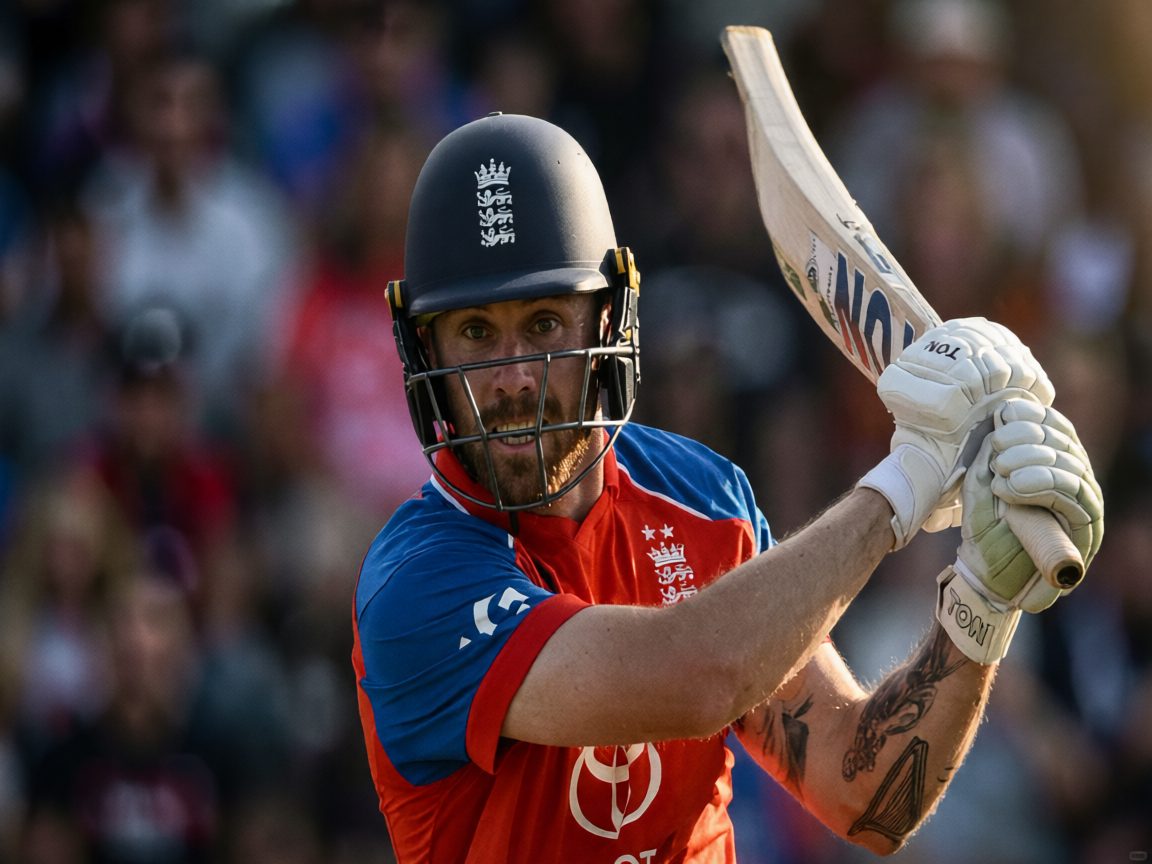
Salt’s Brutal Efficiency Shatters England’s T20 Ceiling
Phil Salt’s 70 off 44 balls dismantled India’s bowling attack, proving England’s new aggressive identity is finally clicking.
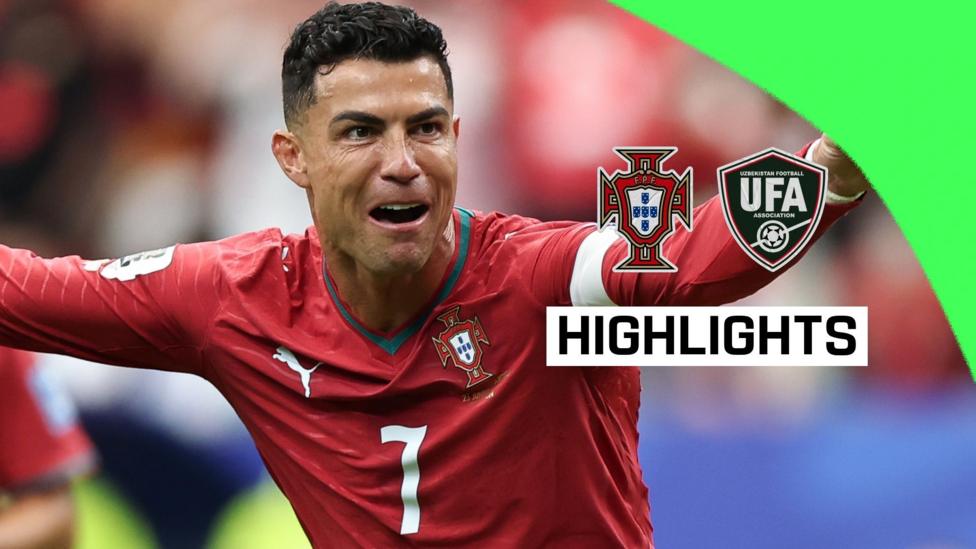
Six World Cups, One Ronaldo: The Record That Redefines Longevity
Cristiano Ronaldo becomes the first player to score in six World Cups as Portugal demolish Uzbekistan.
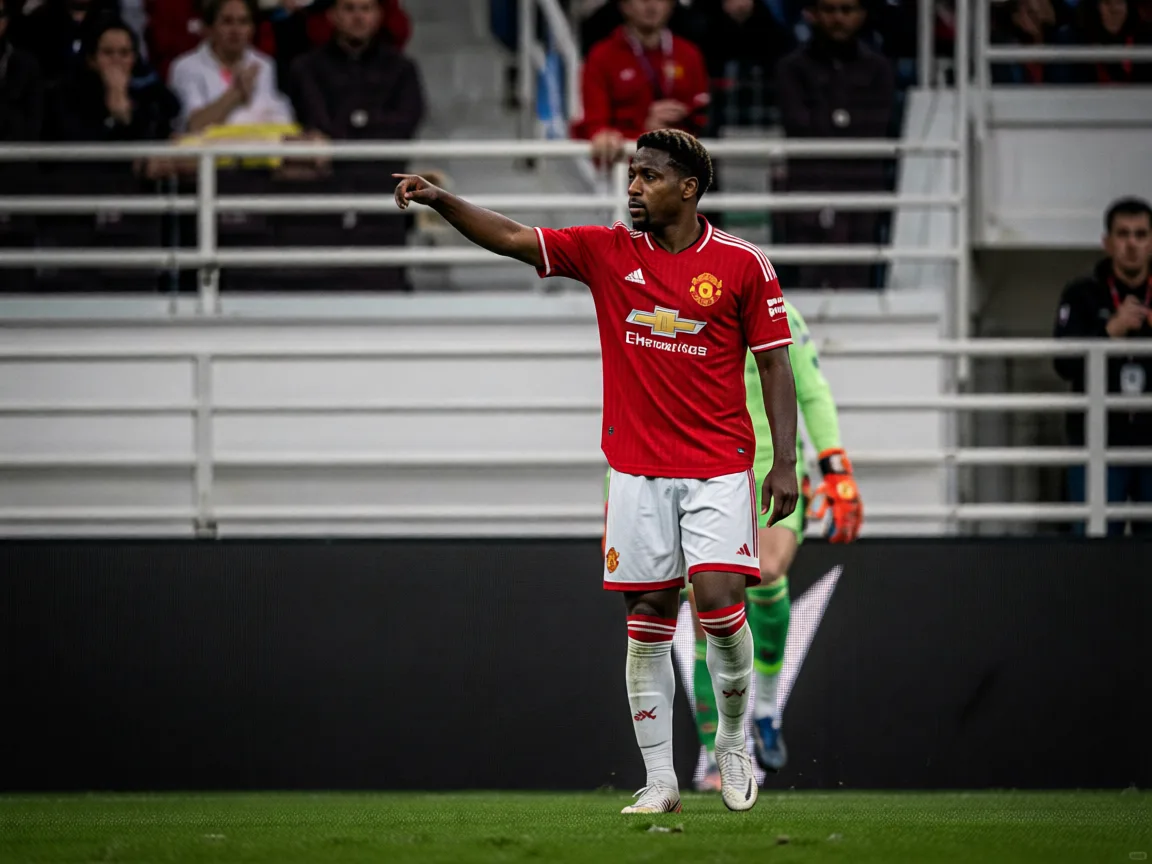
Andrey Santos Arrives: But United's Helsinki Experiment Exposes Familiar Cracks
A bright debut from the Chelsea import can't mask a flat pre-season defeat that raises more questions than answers for Michael Carrick.