Beccacece: The Touchline Dreamboat Lighting Up the 2026 World Cup
Ecuador's Sebastián Beccacece has become the 2026 World Cup's cult hero with manicured intensity and revolutionary fire on the touchline.
Every World Cup needs a cult hero, and 2026 has found its spirit animal on the touchline. Ecuador manager Sebastián Beccacece has captured the tournament's imagination. He is a beautifully manicured buzz of energy with Bolivarian liberation in his heart. The World Cup is all the better for his presence.
International football is fundamentally different from the club game. Club football is an increasingly regimented domain of set pieces and rigid systems. International soccer is much more a matter of style. At this tournament, the theatrics of the sport's touchline strutters have been rich with emotion and figurative power.
The Cast of Touchline Characters
Observing the managers is an underrated pleasure for spectators at every World Cup. The technical area has become a stage for distinct personal brands. Didier Deschamps patrols his zone with the watchful pride of an outer-arrondissement charcutier. Luis de la Fuente operates with the steady assurance of a veteran wealth manager at Banco Santander.
The contrasts are stark and deeply entertaining. Japan's Hajime Moriyasu resembles a man about to go postal at his dreary office job in a Kiyoshi Kurosawa film. Socceroos coach Tony Popovic looks like he is on his way to MC a wedding at Sydney's King Tomislav Croatian Club. And Carlo Ancelotti is simply himself. He is a man with Champions League-winning eyebrows whose fierce allegiance to his three-piece suit, even through the worst of a North American summer, suggests he somehow commands his own climate.
The Beccacece Difference
Beccacece stands completely apart from this gallery of touchline archetypes. He does not just manage a match. He conducts an ideological symphony from the edge of the pitch. His touchline presence is a beautifully manicured display of raw, unfiltered intensity.
The Argentine-born Ecuador boss brings more than tactical acumen to the tournament. He brings a philosophical weight rooted in South American football culture. His touchline energy evokes the spirit of Bolivarian liberation, a fierce anti-imperialist fire that resonates deeply with Ecuador's footballing identity.
Ecuador has historically been the underdog of South American football. They have often operated in the shadows of continental giants like Brazil and Argentina. Beccacece has weaponized this underdog status, transforming it into a path of resistance. His teams play with a chip on their shoulder, and his touchline demeanor reflects that combative pride.
Touchline Theatrics as Tactical Currency
The modern manager is often a sterile, media-trained figure. Beccacece shatters that mold completely. Every gesture, every shout, and every stride down the touchline transmits an unmistakable message to his players. He is living the game in real-time, not merely observing it.
His manicured appearance adds a fascinating layer to his persona. The sharp grooming contrasts sharply with the primal energy he projects during matches. It is a duality that captivates the broadcast cameras. He looks like a revolutionary who just stepped out of a high-end barbershop.
This carefully constructed image is not mere vanity. It is psychological warfare. Beccacece understands that the World Cup stage demands presence. By dominating the visual landscape of the technical area, he draws the cameras, the attention, and the pressure onto himself. This relieves his players of a significant burden.
The South American Managerial Tradition
Beccacece is the latest torchbearer for a rich South American managerial tradition. The continent has always produced touchline artists who treat the technical area as theater. From Marcelo Bielsa's obsessive crouching to Diego Simeone's provocative celebrations, passion is the currency of management.
Ecuador's progression at this World Cup reflects their manager's volatile, infectious energy. They play with the same manicured chaos that Beccacece projects. The team presses relentlessly, attacks in furious waves, and refuses to be intimidated by more established opponents. They are the physical manifestation of their coach's philosophy.
The tournament in North America has required significant adapting. The soaring temperatures, the vast travel distances, and the expanded format have tested every squad. Ancelotti combats this with stoic Italian elegance. Beccacece counters it with sheer force of will. He sweats, shouts, and gesticulates as if the air conditioning is entirely in his control.
In the Ecuador dressing room after matches, the atmosphere mirrors the touchline. It is chaotic but purposeful, loud but deeply focused. Players speak of a manager who demands total emotional investment. Beccacece does not want passive executors of a tactical plan. He wants warriors who carry his ideological vision onto the grass.
"We play for a shirt, but we also carry a people. The fight on the pitch is the fight of our history."
This quote, often attributed to the philosophical backbone of his coaching ethos, encapsulates the Beccacece project. He is not just trying to win football matches. He is trying to forge a collective identity that makes a small nation feel invincible.
The impact on Ecuador's squad is tangible. Players routinely sprint to the touchline to celebrate with him after crucial moments. It is a genuine emotional connection. The hierarchy between coach and player dissolves in the heat of competition. They share a single, beating pulse.
What It Means
Sebastián Beccacece is more than a cult hero at this World Cup. He is a reminder of what international football can still be. Club football may have surrendered to algorithms, data overlays, and sterile systematics. The international game still leaves room for ideology, passion, and deeply compelling human theater.
His presence elevates the 2026 tournament beyond pure sporting mechanics. He gives the cameras a story outside the penalty boxes. He gives neutrals a reason to watch Ecuador matches with invested curiosity. Most importantly, he gives his players a leader who absorbs the weight of the occasion and redistributes it as fuel.
The World Cup is fundamentally about national identity expressed through sport. Beccacece understands this dynamic better than any manager at this tournament. His manicured intensity and Bolivarian heart have turned Ecuador into the breakout story of the summer. Cult heroes fade when the tournament ends, but ideological statement lasts. Beccacece has made Ecuador unforgettable.
Editorial Integrity
This is an original SportPulse article written by our editorial team. All content is independently researched, written, and reviewed by our writers and editors before publication. We do not publish copied, aggregated, or syndicated content.
SportPulse is committed to original sports journalism. Read our editorial policy or contact us with any questions.
More Like This
All football
Maresca Returns to the Etihad: City Bet Big on Guardiola's Protégé
Enzo Maresca's £17m appointment signals City's desire for continuity over revolution in the post-Guardiola era.

Kang's Millions Reshape WSL as London City Lionesses Stun Rivals
Michele Kang's London City Lionesses are signing world-class talent, leaving rival WSL clubs questioning how it fits within salary cap rules.
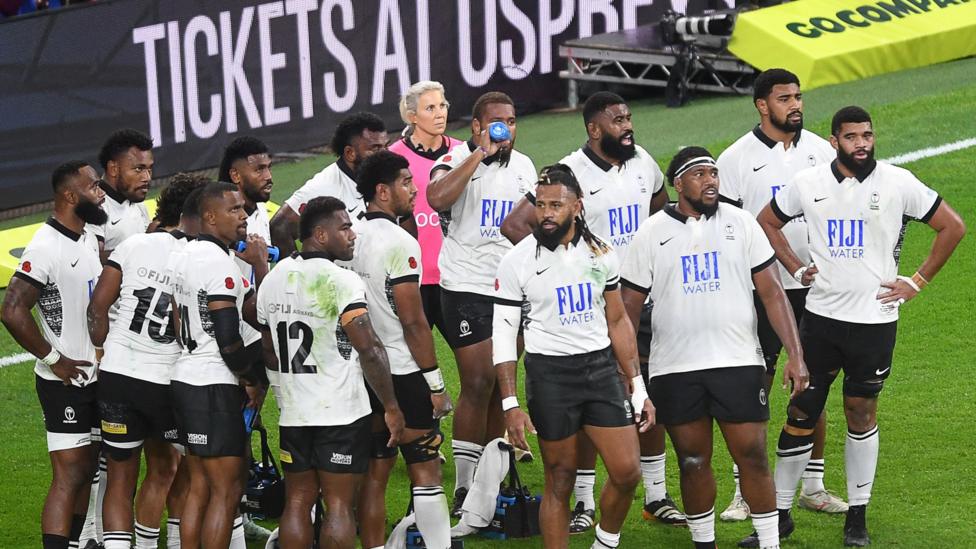
Fiji's Cardiff Coup: Rewriting Rugby's Home Advantage
Fiji 'host' Wales in Cardiff to launch the Nations Championship, challenging traditional concepts of home advantage in Test rugby.