Silverstone's Quiet Revolution: Making F1 Accessible for Autistic Fans
Silverstone's sensory accessibility initiatives are transforming the British Grand Prix experience for neurodivergent fans who once found racing impossibly overwhelming.
The lights go out. Twenty Formula 1 cars scream into the first corner. The sound hits you in the chest like a physical blow.
For most fans, that moment is pure adrenaline. For an autistic child, it can be unbearable.
Now imagine that child loves Formula 1. Watches every race. Knows every driver's stats. Dreams of seeing it live.
That contradiction is real for thousands of neurodivergent fans worldwide. And Silverstone has decided to do something about it.
The Sensory Wall of Chaos
Formula 1 is a sport built on excess. The noise, the crowds, the smells, the spectacle. It is designed to overwhelm the senses.
A modern F1 car at full throttle produces roughly 130-140 decibels of sound pressure. That is louder than a rock concert. Louder than standing thirty metres from a jet engine at takeoff.
autistic individuals often experience sensory input with greater intensity than neurotypical people. The same noise that thrills one fan physically hurts another.
"We knew that sensory-friendly initiatives were non-negotiable if we truly wanted to open the sport up to everyone. You can't claim to welcome all fans while ignoring the reality of how intense the environment actually is." — Accessibility advocate, speaking about the push for inclusive race-day experiences
The British Grand Prix at Silverstone attracts over 400,000 fans across a race weekend. That is a small city's worth of people converging on a Northamptonshire village.
Navigating those crowds is challenging for anyone. For someone with autism, it can feel impossible.
But impossible is exactly what Silverstone has been working to eliminate.
Building a Different Kind of Playground
Silverstone's accessibility programme is not a token gesture. It is a comprehensive infrastructure redesign.
The circuit has introduced several key features aimed specifically at neurodivergent attendees:
- Sensory rooms designed as quiet refuges away from the chaos of the grandstands
- Noise-cancelling headphones available for loan during race sessions
- Quiet zones scattered around the venue for decompression
- Visual stories provided before race weekend so families can prepare for every aspect of the experience
- Trained staff who understand autism and can assist during moments of overwhelm
- Adjusted entry pathways that reduce queue-related stress
These are not add-ons bolted onto an existing product. They represent a fundamental rethinking of what a race day looks like.
For families with autistic children, the advance preparation is everything.
The Hidden Architecture of Inclusion
The visual story concept deserves particular attention. Silverstone provides detailed guides showing exactly what a fan will encounter: the car parks, the gates, the crowds, the noise levels, even the types of food available.
For an autistic person, predictability is safety. Surprises can trigger distress. Knowing what comes next transforms anxiety into anticipation.
"Getting the visual story in advance meant everything. We could show him the parking layout, explain the crowd size he'd face, describe the noise when the cars started. He walked in prepared, not afraid."
This is not a parent being indulgent. This is a strategic advantage that makes attendance viable.
Why This Matters Beyond One Circuit
Silverstone's approach should be a blueprint, not a one-off.
Formula 1 has exploded in global popularity since the arrival of the Netflix documentary series Drive to Survive. New audiences are flooding in, many from demographics the sport has never meaningfully engaged before.
The F1 audience is more diverse than at any point in the sport's 75-year history. That includes a significant number of neurodivergent fans.
Autism affects approximately 1 in 100 children globally according to World Health Organization estimates. Some studies suggest pre-existing ADHD or autism may influence how individuals respond to certain stimuli, though the clinical evidence remains nuanced.
What is undeniable is that F1's sensory environment presents a unique and intense challenge for autistic fans.
The Business Case For Accessibility
Here is something the sport's commercial brain trust should note: accessibility makes financial sense.
When a circuit makes itself viable for an autistic child, it does not just sell one ticket. It enables an entire family to attend. Parents, siblings, perhaps grandparents. A group sale driven by a single accommodation.
"We get hundreds of messages from families saying they never thought they could do this. Not next year. Not in five years. Never. That changes when a venue proves it is possible." — Silverstone accessibility team
The cost of these initiatives is modest compared to the revenue they unlock. Sensory rooms do not require circuit redesign. Quiet rooms are inexpensive. Trained volunteers cost less than junior marshals.
The return on investment is measurable in ticket sales, merchandise revenue, and long-term fan loyalty that spans generations of a family.
The Wider Sporting Context
Professional football in England has faced scrutiny over accessibility before. Premier League clubs have faced legal challenges and regulatory deadlines for failing to accommodate disabled supporters adequately.
The lesson across all sports is the same: inclusion cannot be retrofitted. It must be built into the foundation of how events operate.
Silverstone appears to understand this instinctively. Their autism-friendly features are integrated into the broader fan experience, not separated from it.
That integration matters. An autistic child does not want to be hidden away in a sealed room. They want to see the cars. Feel the buzz. Belong.
The Challenge Of The F1 Calendar
Not every circuit on the calendar matches Silverstone's standard.
Some of F1's most glamorous venues operate in environments where disability access infrastructure lags significantly behind European and North American norms.
The sport's owners face a strategic choice. They can allow a fragmented approach where autistic fans rely on a handful of progressive circuits. Or they can mandate baseline accessibility standards across the entire calendar.
Given the sport's growth ambitions, the latter seems inevitable. The question is how many families will be excluded before that happens.
What True Inclusion Looks Like
The story of an autistic child attending the British Grand Prix is not a feel-good sidebar.
It is a case study in how sports can evolve. How tradition and progress can coexist. How a sport famous for exclusivity can become genuinely accessible.
Formula 1 sells speed, glamour, and spectacle. Silverstone is quietly proving that the sport can sell something more powerful: belonging.
For that autistic boy watching his first live race, the noise is still overwhelming. The crowd is still vast. The sensory assault is still real.
But he is there. He is experiencing the sport he loves in person. He is a fan, not an afterthought.
That is not just good accessibility practice. That is the point of sport itself.
The cars will keep racing. The noise will keep echoing across the Northamptonshire countryside. But now, more people can be part of it.
Silverstone has shown the way. The rest of the F1 calendar has no excuse not to follow.
Editorial Integrity
This is an original SportPulse article written by our editorial team. All content is independently researched, written, and reviewed by our writers and editors before publication. We do not publish copied, aggregated, or syndicated content.
SportPulse is committed to original sports journalism. Read our editorial policy or contact us with any questions.
More Like This
All f1
Albon Holds Hands Up: First Lap Crash Was On Me
Alex Albon's Silverstone Grand Prix lasted barely one lap before contact forced retirement, and the Williams driver refused to point fingers.
Silverstone Sets the Stage: Tyres, DRS, and the 2026 Grid Unpacked
Forecast uncertainty and compound selection will define the 2026 British GP as the grid forms up at Silverstone.
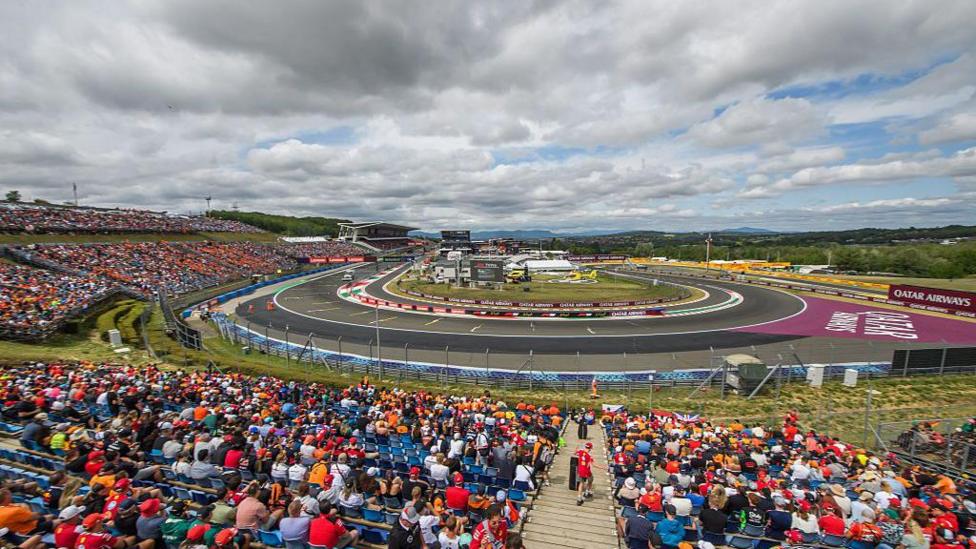
Hungarian Grand Prix: BBC Coverage Schedule for the Hungaroring
Everything you need to know about following the Hungarian Grand Prix at the Hungaroring from 24-26 July on the BBC.