Solicitor Dropped By Rugby Players Still Leads Football Brain Injury Case
Richard Boardman dismissed by over 1,000 rugby claimants but remains solicitor for former footballers including Nobby Stiles' family.
A solicitor at the centre of one of the most significant legal battles in British sport has been dismissed by over 1,000 rugby players pursuing brain injury claims against the sport's governing bodies. Richard Boardman continues to represent dozens of former footballers in a parallel case, including the family of Nobby Stiles, the late World Cup winner whose dementia diagnosis became one of the defining images of football's reckoning with head trauma.
The split emerged this week at the Royal Courts of Justice, where Boardman informed the court of his intention to "come off the record" for the rugby claimants. The group indicated it had unanimously agreed to terminate its dealings with his firm, Rylands Garth. No public reason has been given for the dismissal, but the move raises immediate questions about the football case and whether those claimants share the same concerns.
Same legal structure, two sports, different defendants
The rugby and football claims follow a broadly similar structure: former professional athletes, now suffering from neurodegenerative conditions, argue that the sport's governing bodies failed to protect them from the cumulative damage of repeated head impacts. In football, the link between heading the ball and long-term brain disease gained scientific traction after the 2019 FIELD study at the University of Glasgow found that former professional footballers were approximately three and a half times more likely to die of neurodegenerative disease than the general population.
That research was commissioned in part because of cases like Stiles, who died in October 2020 after living with dementia and prostate cancer. His family has been vocal about the sport's responsibility. Stiles spent his career at Manchester United and represented England at the 1966 World Cup, a tournament in which heading was central to the game's physical identity. He is far from the only figure from that era whose final years were marked by cognitive decline.
Jeff Astle, the West Bromwich Albion striker, died in 2002 at the age of 59. A coroner ruled his death was caused by industrial disease, specifically brain trauma from heading heavy leather footballs. The Astle family spent years campaigning for research and accountability, and their case laid the groundwork for the broader legal action now underway.
Stiles, Astle, and the football claimants Boardman still represents
The football litigation involves dozens of former players and their families. The claimants argue that the Football Association and other governing bodies knew or should have known about the risks of repeated heading and failed to take adequate steps to protect players. The case has been progressing through the courts alongside the rugby claim, with Boardman and Rylands Garth acting as the lead solicitors in both.
The simultaneous management of two large-scale group actions involving different sports, different defendants, and different evidentiary bases was always an ambitious undertaking. The rugby dismissal suggests that at least one set of claimants felt the arrangement was not serving their interests. The football group has not made any public statement about its confidence in the firm.
Boardman's continued presence on the football case, despite losing the confidence of over 1,000 rugby players, creates a direct tension. Group litigation of this nature depends on trust between claimants and their legal representation. The individuals involved are not corporate entities with in-house counsel; they are former athletes, many elderly, many in declining health, who have entrusted their cases to a single firm.
The FA's incremental response since 2020
The sport's response to the brain injury crisis has been incremental rather than structural. The FA introduced guidance in 2020 limiting heading in youth football training for children aged 11 and under, later extending restrictions to older age groups. Professional leagues have implemented concussion protocols, though their enforcement remains inconsistent.
Critics argue these measures address symptoms rather than the fundamental question: whether the sport, as played at professional level, can be made safe for the brain. The legal claims force that question into a courtroom rather than a committee room.
"We are determined to take forward the claims of the footballers and their families," a representative for Rylands Garth stated previously regarding the football litigation.
Rugby split forces a procedural fork, football case carries on
The dismissal by the rugby claimants creates a procedural fork. New solicitors will need to be appointed to represent the rugby group, a process that could delay that claim significantly. The football case, still under Boardman's direction, continues on its own trajectory.
The next hearing in the football matter will be watched not just for its legal substance but for any signs of disquiet within the claimant group. The families of former players like Stiles are pursuing accountability for what they see as decades of institutional neglect. How Rylands Garth manages the football case after losing one major client group will determine the course of both litigations.
Football's relationship with brain injury is now a legal, medical, and institutional question being argued in one of the country's highest courts, with the same solicitor carrying two claims, one of which has already fractured.
Editorial Integrity
This is an original SportPulse article written by our editorial team. All content is independently researched, written, and reviewed by our writers and editors before publication. We do not publish copied, aggregated, or syndicated content.
SportPulse is committed to original sports journalism. Read our editorial policy or contact us with any questions.
More Like This
All football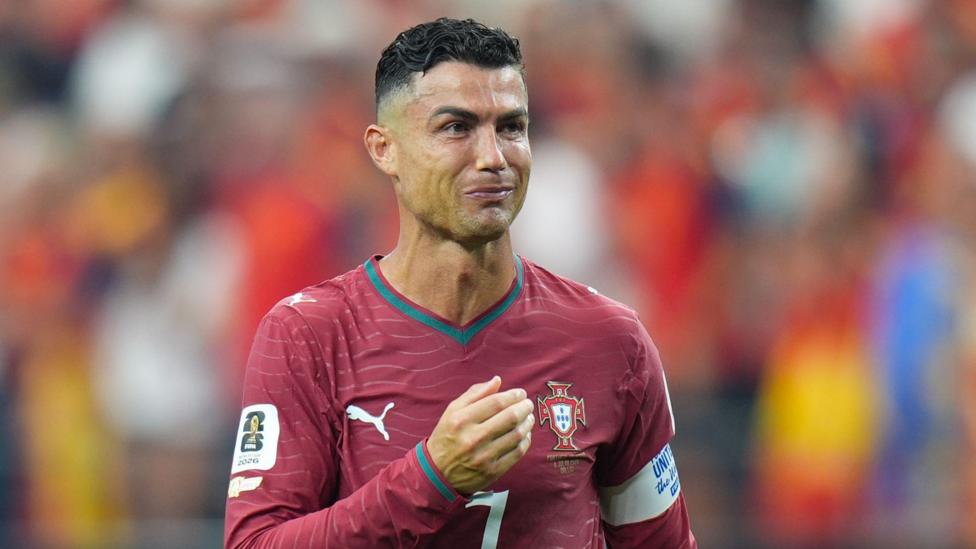
Ronaldo's World Cup Dream Dies as Martinez's System Collapses
Cristiano Ronaldo's World Cup career ends not with triumph but with the tactical bankruptcy of Roberto Martinez's Portugal.
World Cup Round of 16: A Tactical Power Ranking of the Survivors
Tactical hierarchy of the last 16: which sides have the structural integrity to go all the way, and whose systems are already cracking?

The Next Vault: US Targets 2029 Club World Cup
Riding the commercial wave of the 2026 World Cup, the US is positioning itself to host FIFA's expanded 2029 Club World Cup.