Spa's Ultimate Test: Five Drivers Poised to Conquer the Belgian Grand Prix
Spa-Francorchamps punishes the timid and rewards the bold. Five drivers have the pace and strategic nous to clinch victory.
The Belgian Grand Prix at Spa-Francorchamps is the ultimate exam of driver credentials and chassis balance. Nestled in the Ardennes forest, the 7.004-kilometre circuit is a relentless rollercoaster that demands unwavering commitment, precise aerodynamic efficiency, and a power unit operating at the absolute limit of its thermal tolerance. The weather remains the great variable; the microclimate can drench the Kemmel Straight while leaving the Bus Stop chicane bone dry, forcing teams to make split-second decisions on intermediates versus slicks.
This year's edition presents a fascinating strategic puzzle. With Pirelli bringing the C2 (hard), C3 (medium), and C4 (soft) compounds, tyre degradation will be critical on the high-energy loads generated through Pouhon and Blanchimont. The drag reduction system zones along the Kemmel Straight and the run down to Les Combes should facilitate overtaking, but the tow effect at Spa is so powerful that leading into the final sector often leaves a car vulnerable to a slipstream pass on the next lap. Fuel loads and lift-and-coast instructions will dictate how aggressively drivers can push in the opening stint.
The Championship Contenders Laying Down the Benchmark
Bookmakers and paddock insiders have narrowed the field to a select group of five realistic winners. The closing odds reflect a hierarchy that closely mirrors the championship standings, rewarding the championship contenders laying down the benchmark.
-
Max Verstappen -- Closing odds at approximately 2.10 (+110) to win outright. A 0.340s advantage over the nearest competitor in representative long-run pace. Total points scored this season: 277.
-
Lando Norris -- Listed at 3.50 (+250), with a peak sector time 0.180s faster than the rest of the midfield. Currently holding 199 points in the standings with a 15.4% win probability.
-
Charles Leclerc -- Offered at 5.00 (+400), possessing a front-row qualifying record featuring 4 pole positions this campaign. Carrying 150 championship points into the weekend.
-
Lewis Hamilton -- Priced at 6.50 (+550) to take the top step, bringing a remarkable 4 career victories at this circuit. Sitting on 106 points in the title chase.
-
Oscar Piastri -- The wild card at 8.00 (+700), boasting a season-high race finish gap of just +11.2s to the lead car in recent rounds. Amassing 124 points over the campaign.
The Win Favourites and Their Technical Arsenals
The betting market reflects a complex technical reality on the track. A low drag configuration is mandatory for flat-out runs through the guts of the circuit, but the fast-flowing corners reward maximum downforce. Protecting the front-left tyre over a race stint is the central conundrum. The abrasive surface coupled with high lateral loadings makes it extremely difficult to preserve grip through the final sector over a stint.
The Championship Leader
The Dutch championship leader enters the weekend as the clear statistical favourite. His mastery of changing track conditions is well established; car setups tuned for circuit-specific oversteer characteristics are exactly where he excels. When grip is scarce, he simply carries more minimum speed through the mid-corner phase. Tyre temperatures spike when the surface rubber lays down, but his driving style is famously gentle on the front axle over a stint, directly translating to prolonged tyre life during the critical middle phase of the race.
The Resurgent Challenger
Equipped with a highly efficient rear wing concept, the British challenger has rapidly closed the performance deficit in recent rounds. Downforce levels at Spa require a delicate compromise, and the team's aerodynamic philosophy shines through the flat-out sweeps of sector two. A qualifying setup prioritising single-lap pace exposes the tyres to thermal degradation early in the stint. Race pace projections suggest a 0.2s deficit to the leading car in clear air, but the DRS train effect renders that deficit essentially meaningless once the race becomes a tactical stalemate.
The Prancing Horse's Ace
Ferrari arrives with a fundamentally altered aero philosophy, addressing the ride-height sensitivity that plagued them on previous kerb-laden circuits. Their ace excels in high-speed directional changes and the transition from Pouhon to Fagnes showcases his clinical precision. Power unit deployment strategy becomes critical on the longest lap of the season, and recent upgrades introduced to the cooling architecture have yielded a tangible straight-line speed boost. The drag-to-downforce ratio is finally approaching a stable operating window.
The Veteran Maestro
The seven-time world champion holds the joint record for most wins at this circuit, drawing level with Michael Schumacher on 4 victories. While recent qualifying trim has been disappointing, a measured race execution at Spa is unmatched. Saving tyres under the safety car ensures a strategic advantage that can vault him forward. The deployment timing of electrical energy over the lap is critical at Spa, out of the compression before the long Kemmel rise. His experience in wet-weather crossover conditions makes him a severe threat if the rain arrives on Sunday, completely bypassing the dry-pace deficit his car currently faces.
The Rising Star
Confident, calculating, and displaying notable maturity at 23 years old, the Australian rookie is the dark horse of the group. Securing a maiden victory earlier in the season demonstrated his racecraft and ability to manage a race from the front. Extracting the maximum from worn mediums in closing stages is a standout skill, directly altering team strategy decisions. The armco barriers leave a very narrow margin for error, yet his spatial awareness through the sector one compression has been flawless.
Strategy Breakdown: Where the Race is Won and Lost
Moving beyond the headline numbers, a trip down the pit wall reveals where this race will actually be won and lost. The pivot point is the switch from mediums to hards on a dry track, or the move to intermediates if the weather intervenes. Cpmpound choice directly dictates the final result. The race distance is 44 laps and running a two-stop strategy with clean air is worth roughly 0.3s per lap compared to being embedded in the dirty air of a DRS train.
Approaching the race with this mindset, the leading team's strategy wall is looking at a Medium-Hard-Hard configuration. Stopping between Lap 22 and Lap 26 for the first change, then pitting around Lap 42 for a final set of scrubbed hards to attack with low fuel load and maximum tyre offset.
The pit wall will be calculating the crossover point extensively. Should a localised shower hit the lower section, especially around the slow-speed final chicane, committing to intermediates a lap early can yield a net gain of 18 seconds over a two-lap window. A late pit stop to switch from extreme wets to intermediates requires pinpoint execution from the pit crew, but the squad possesses the fastest pit stop record this year at 2.18 seconds stationary.
The DRS and Tow Effect
Spa features two DRS zones, but these are only a small part of the overtaking mechanics. The tow along the Kemmel Straight is devastating to a leading car, capable of closing a 0.8s gap through Eau Rouge and Raidillon if the chasing car positions its front wing precisely in the turbulent wake. Running high downforce protects the tyres through the longer corners, allowing drivers to push harder across a stint without triggering graining on the front-left shoulder.
The Bigger Picture and Title Implications
The Belgian Grand Prix is the final race before the mandatory summer shutdown. The points standings will entirely shape the mental framework every team carries into the break.
A victory for the championship leader would extend his margin beyond an insurmountable 78 points. The fight for the runner-up position becomes the critical narrative for the second half of the season. A maximum score of 26 points is available to the winner, plus the additional point for fastest lap if they finish in the top ten.
For teams scrapping for fourth in the constructors' battle, every constructor position is worth an estimated $10 million in prize fund distribution at season's end. Podium finishes here carry significant financial weight for the smaller operations scrapping at the lower end of the top five.
With tyre strategy set to dictate the pace and the weather hovering as a persistent threat, the Ardennes will once again deliver a race that tests the absolute limits of mechanical grip and human endurance. The shutdown looms, but first, the chaos of Spa must be navigated. The super-soft compound is unlikely to feature heavily unless a late safety car forces a dash to the flag, pushing teams toward the more durable rubber for pure track position.
Editorial Integrity
This is an original SportPulse article written by our editorial team. All content is independently researched, written, and reviewed by our writers and editors before publication. We do not publish copied, aggregated, or syndicated content.
SportPulse is committed to original sports journalism. Read our editorial policy or contact us with any questions.
More Like This
All f1
Antonelli, Bearman, and Cadillac: F1's Rookie Gamble
F1's rookie class faces a brutal initiation as Antonelli, Bearman, and Cadillac enter the arena with everything on the line.
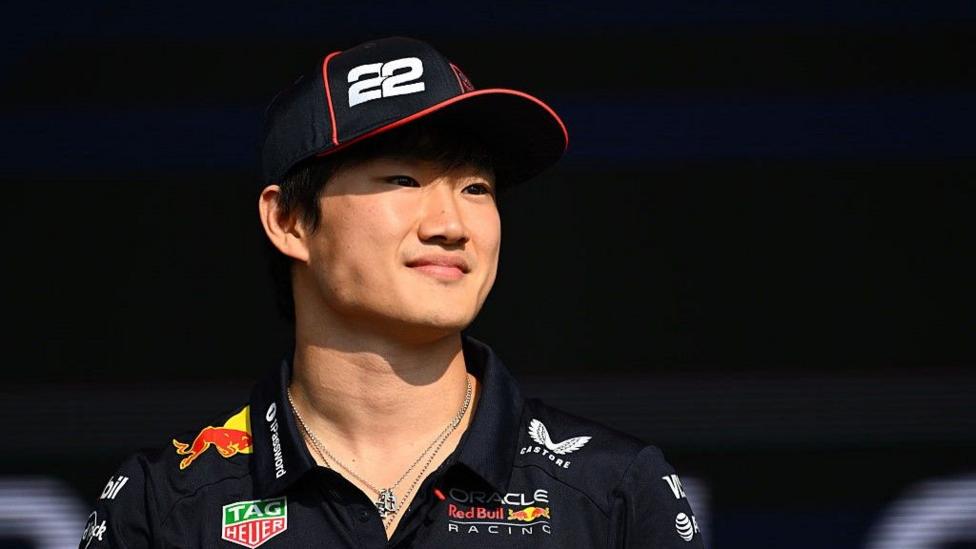
Decoding Tsunoda's 2026 Red Bull Dilemma
Yuki Tsunoda's 2026 F1 future hinges on Red Bull's powertrain revolution and a ruthless driver market.
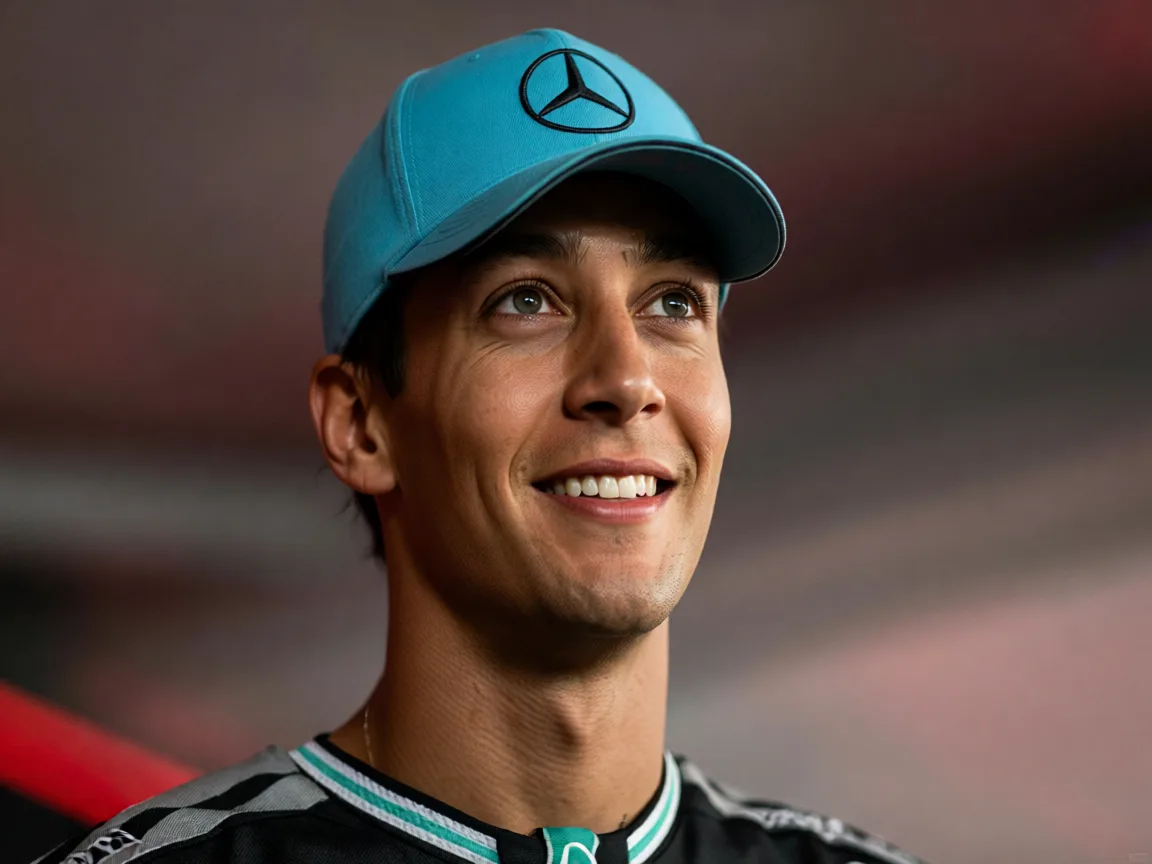
Russell on resilience: "The most I've ever been" amid title fight
George Russell opens up about the mental and mechanical toll of sustaining a championship bid through repeated setbacks.