Spa Francorchamps Demands Precision as July Weekend Approaches
Technical demands and volatile weather converge at Spa this July weekend.
The Ardennes Test
Summer heat and lingering humidity define the opening hours at Spa Francorchamps. The circuit sits nestled in the Ardennes forest, where microclimates shift rapidly between Eau Rouge and the Stavelot hairpin. Teams arrive with July 17 through 19 already mapped onto their operational calendars. The schedule demands immediate mechanical grip and aerodynamic stability. Drivers must balance aggressive throttle application with precise brake modulation to preserve rubber across the demanding long corners.
Track surface temperature gradients create asymmetric tire wear patterns right from the first flying lap. The asphalt composition retains heat efficiently during morning practice sessions while cooling rapidly under passing cloud cover. Engineers monitor suspension deflection data closely as the circuit evolves throughout the weekend. Grip levels improve steadily as rubber deposits build across the racing line. The physical demands on drivers remain exceptionally high given the sustained lateral forces encountered through the final sector.
Technical Configuration and Aerodynamic Balance
High-speed flowing sections dictate the primary aerodynamic philosophy for this venue. Teams typically run a medium-to-low downforce configuration to maximize straightline velocity through the Bus Stop chicane and the final sector. The rear diffuser operates near its structural limits while managing turbulent wake from leading cars. Downforce reduction requires careful compromise to maintain stability under heavy braking zones. Front wing endplate geometry receives particular attention to manage airflow separation around the front tires.
DRS activation zones span two distinct intervals, requiring precise aero efficiency gains to overcome drag penalties. The first zone utilizes the full Kemmel Straight length while the second activates immediately after the final corner. Teams calculate drag coefficients meticulously to ensure consistent performance across both corridors. Fuel load calculations further complicate the baseline setup. Carrying extra weight early in a stint alters suspension kinematics and reduces mechanical grip during corner entry. Engineers adjust ride height and anti-roll bar stiffness to maintain consistent tire temperature windows across varying track temperatures.
Tire Chemistry and Thermal Management
Compound selection hinges on predicting peak thermal windows rather than raw lap pace. Soft tires offer initial grip but suffer rapid graining past the mid-stint phase. Medium compounds provide stable degradation profiles but demand higher minimum operating temperatures to activate properly. Hard options extend stints but sacrifice acceleration off slow corners like La Source. Tire casing construction influences how quickly heat builds up during the first few laps. Teams monitor internal pressure curves closely to prevent blistering under sustained throttle application.
Thermal degradation accelerates significantly when track temperatures exceed standard operating ranges. Rubber compounds lose structural integrity faster when exposed to repeated high-load cornering forces. Pirelli engineers work alongside chassis teams to identify optimal warmup procedures. Drivers execute specific steering inputs to generate lateral heat without scrubbing excessive speed. The balance between mechanical grip and aerodynamic efficiency determines long-term race viability. Compromising too much downforce leads to unpredictable handling during traffic-heavy phases.
Strategy Breakdown
The team strategy wall faces immediate pressure when tire degradation curves intersect with track evolution. Compound selection hinges on predicting peak thermal windows rather than raw lap pace. Strategic windows open and close based on safety car probability and undercut feasibility. Engineers model pit stop durations against track position loss to determine optimal intervention points. The decision matrix shifts constantly as weather patterns evolve and track grip improves.
- Pit window opens around lap 18 for optimal undercut leverage against trailing midfield runners.
- Time delta required to execute a successful undercut sits at one point two seconds per lap over three consecutive circuits.
- Points swing potential reaches eight positions when a well-timed switch catches a rival mid-stint.
- Fuel saving adjustments typically reduce throttle response by four percent during heavy braking zones.
Radio communications reveal the constant tension between calculated risk and raw pace. Engineers demand conservative tire preservation while drivers push for maximum adhesion on drying surfaces. The resulting friction occasionally produces blunt transmissions that highlight the difficulty of balancing aggression with preservation. Teams that master the communication loop gain a decisive edge during critical phases. Misjudged timing results in lost track position that proves nearly impossible to recover.
"We do not wait for perfect conditions. We build the setup that adapts to whatever the Ardennes throws at us." — Team principal
The Weather Variable and Radio Warfare
Atmospheric instability remains the most unpredictable element at this circuit. Cloud cover passing over the valley floor drops track temperatures by several degrees within minutes. Rain can arrive unannounced between the Kemmel Straight and the Blanchimont esses. Drivers receive conflicting telemetry readings when wet patches appear asymmetrically across the racing line. Onboard cameras frequently capture dramatic shifts in driving style as conditions deteriorate unexpectedly.
Engineers demand conservative tire preservation while drivers push for maximum adhesion on drying surfaces. The resulting communication friction occasionally produces blunt radio transmissions that highlight the tension between calculated risk and raw pace. Some team principals openly acknowledge the absurdity of trying to predict valley weather. The reality is that strategic plans must remain fluid from the moment cars leave the garage. Teams that rigidly adhere to pre-race simulations consistently fall behind adaptable competitors.
Track evolution compounds the difficulty of maintaining consistent lap times. Rubber buildup changes the grip threshold for every subsequent session. Drivers who adapt their braking markers and cornering lines gain measurable advantages. Those who resist adjusting their approach struggle with sudden loss of rear stability. The physical toll of navigating changing conditions adds another layer of complexity to an already demanding weekend.
Championship Implications and Track Evolution
Performance differentials magnify under these extreme conditions. Teams with superior cooling packages maintain consistent lap times when ambient temperatures exceed standard operating ranges. Aerodynamic efficiency dictates how quickly a car can recover from traffic-induced turbulence. The championship standings shift significantly after this stop due to the high probability of attrition or strategic missteps. A clean weekend yields crucial momentum heading toward the next calendar segment.
Drivers who master the long corners conserve rear tire life while maintaining overtaking readiness for the final sector. Points accumulation becomes less about outright speed and more about operational discipline. The circuit rewards precision engineering and penalizes compromised setups without mercy. Teams that arrive with robust baseline configurations typically extract maximum value from the weekend structure. Those arriving with marginal upgrades face unnecessary risks when track conditions fluctuate rapidly.
The historical backdrop of Spa reinforces why this venue remains a true test of engineering and driver skill. Decades of racing have proven that adaptability separates championship contenders from mid-field participants. The July timeframe introduces unique thermal challenges that require specialized cooling solutions. Teams that solve the puzzle gain a psychological advantage heading into the post-break fixtures. The championship narrative will ultimately be shaped by how effectively organizations navigate these technical and environmental pressures.
Operational excellence at Spa translates directly into long-term competitive positioning. Every setup choice, tire management decision, and radio transmission carries weight beyond the immediate session. The circuit does not forgive hesitation or rigid planning. Success requires seamless integration of aerodynamic understanding, tire chemistry knowledge, and strategic flexibility. Teams that deliver will secure vital points while others scramble to recover lost ground.
Editorial Integrity
This is an original SportPulse article written by our editorial team. All content is independently researched, written, and reviewed by our writers and editors before publication. We do not publish copied, aggregated, or syndicated content.
SportPulse is committed to original sports journalism. Read our editorial policy or contact us with any questions.
More Like This
All f1
Britain's Youngest F1 Driver Chases Silverstone Dream
Britain's youngest F1 driver prepares for a homecoming at Silverstone, balancing raw speed with a startling off-track hobby.

Spa-Francorchamps: The Ardennes Masterpiece Demands High-Downforce Courage
Formula 1 returns to Spa-Francorchamps where tire thermal degradation and Eau Rouge commitment will define the championship fight.
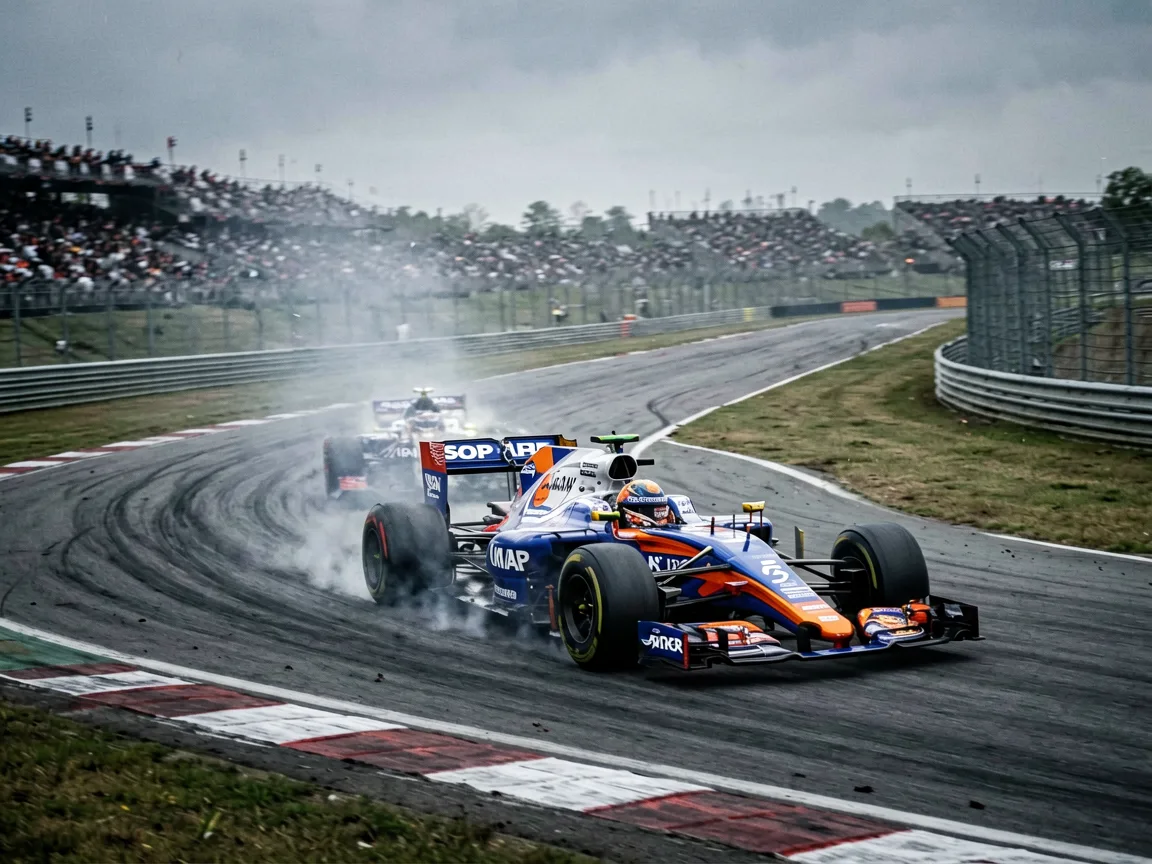
Spa's Strategist's Playground: Where Qualifying Bets Live or Die
Spa-Francorchamps rewards precision over power, making Belgian GP qualifying bets a high-wire act of tire thermodynamics and weather timing.