Spa's Strategic Masterclass: Belgian Grand Prix Preview
Spa-Francorchamps rewards power and patience. Here is the technical and strategic breakdown for Formula 1's Belgian Grand Prix.
The Ardennes Challenge
Spa-Francorchamps is Formula 1's ultimate litmus test for power unit performance and aerodynamic efficiency. The 7.004-kilometre circuit features 19 corners and remains the longest track on the current calendar. weather patterns across the Ardennes forest create a microclimate that can deliver rain on one sector while leaving another completely dry. This unpredictability transforms tyre strategy from a mathematical calculation into a real-time gamble.
The circuit's layout demands a low-drag configuration through the first and third sectors, where cars spend extended periods at full throttle. Teams arrive in Belgium with trimmed-out rear wings, sacrificing cornering stability through Sector 2's middle stint to gain straight-line speed. This compromise defines the setup philosophy. Run a wing too large and you bleed time on the Kemmel straight. Run it too small and the middle sector becomes an understeering nightmare.
Tyre supplier Pirelli brings its hardest compounds to Spa. The C1, C2, and C3 selections reflect the high-energy loads through Eau Rouge, Raidillon, and the flat-out Blanchimont. Thermal degradation is manageable in dry conditions, but graining becomes a concern when track temperatures drop. A single-lap qualifying effort demands precise tyre preparation, and traffic through the final sector often ruins fast laps.
Power Unit Hierarchy
The Belgian Grand Prix historically exposes the hierarchy of engine manufacturers. Mercedes-powered cars have traditionally excelled here, and their power unit advantage through the sector one flat-out section remains relevant. Ferrari's power unit gains from previous seasons closed the gap, but Renault's deficit on this type of layout is amplified. A team running a customer engine often finds itself 0.4 to 0.6 seconds behind the works equivalent purely on straight-line performance.
Red Bull Racing arrives facing a familiar penalty. The team's Honda power unit, while reliable, lacks the peak horsepower of Mercedes and Ferrari on a circuit where power dictates pace. Max Verstappen's prodigious talent through the high-speed corners can mask some of this deficit, but the strategic implications are clear. Red Bull must compensate through cornering performance and strategic aggression.
McLaren represents the most interesting case study at Spa. Their Mercedes power unit provides a baseline advantage, and the team's aerodynamic philosophy tends to suit high-speed circuits. If conditions turn variable, McLaren's drivers are more than capable of capitalising. The battle for best-of-the-rest behind the top three teams will likely hinge on who executes the cleanest race.
Strategic Breakdown
The Belgian Grand Prix presents teams with a strategic paradox. Theoretically, a one-stop strategy is optimal on paper. The circuit's length means fewer racing laps, and the lower thermal degradation of the hard compound allows extended stints. However, the safety car probability at Spa sits at approximately 60%, one of the highest on the calendar. This forces strategy engineers to weigh aggressive one-stop plans against the safety-net of a two-stop approach.
Pit Stop MathematicsA pit stop at Spa costs roughly 24 seconds due to the long pit lane and the circuit's length. This penalty makes one-stopping mathematically attractive under green-flag conditions. The strategic challenge emerges when tyres begin to degrade past the lap 20 mark. A driver committed to a one-stop faces a perilous final stint on worn rubber, vulnerable to cars on fresher tyres in the closing laps.
The overcut is particularly powerful at Spa. A driver staying out during the pit stop window gains track position and benefits from clean air. The clean-air advantage at this circuit is worth roughly 0.3 seconds per lap compared to running in dirty air. Strategy walls must account for this when deciding whether to pit early and undercut or hold position and trust the overcut.
DRS activation plays a crucial role in the strategic calculus through sectors one and three. The long run through Eau Rouge and up the Kemmel straight provides overtaking opportunities, but the trailing car needs a significant pace differential to complete a pass before the braking zone at Les Combes. Teams must calculate the DRS delta when planning defensive or offensive strategies.
Qualifying Position and Race Outcomes
Starting position at Spa strongly correlates with race results. The circuit's length and high-speed nature make it difficult to follow closely through the corners, and the DRS zones, while helpful, do not guarantee overtaking. Pole position provides clean air and tyre conservation benefits. Drivers starting outside the top six face an uphill battle regardless of their pace advantage.
A driver starting in the top six has a strong chance of converting their grid slot into a podium finish. The track limits and run-off areas at Spa allow drivers to exploit corner exits without immediate penalty during the race. Race directors are often lenient regarding track limits at this circuit compared to tighter street tracks.
Handling the Variables
Variable conditions remain the ultimate wildcard at the Belgian Grand Prix. A sudden downpour can force a switch from dry to intermediate or wet tyres, reshaping the strategic landscape in seconds. Teams with quick reflexes and decisive decision-making gain massive advantages. Those who hesitate or misjudge conditions bleed time and positions.
The transition period between compounds is critical. A driver switching from slicks to intermediates must build temperature quickly to extract grip. This warm-up phase lasts several laps, during which the car is defenseless. Strategy engineers must forecast the weather window accurately to avoid pitting too early and losing time on cold intermediates, or pitting too late and losing significant time on a damp track.
Strategic Predictions
Based on current form and technical characteristics, the likely pecking order at Spa closely mirrors the championship standings. Red Bull and Verstappen remain the benchmark, but their power unit deficit introduces vulnerability on this layout. Mercedes demonstrates strong straight-line speed, and George Russell excels in variable conditions. Ferrari's race pace depends entirely on tyre management, and Charles Leclerc's aggressive cornering style demands a clean qualifying lap.
For prediction markets and bet builders, a top-six finish for a Mercedes-powered car is a logical selection. A points finish for a midfield car like Alonso's Aston Martin or Norris's McLaren is reasonable given their track records. Leclerc has a strong chance of qualifying on the front row, given his one-lap pace advantage over most of the grid. A safety car appearance is highly probable based on historical data. Furthermore, a podium finish for a Red Bull driver is a consistent pattern throughout the season.
Five-Leg Bet Builder- A top-six finish for George Russell, leveraging Mercedes' power advantage
- A points finish for Fernando Alonso in the Aston Martin
- Charles Leclerc qualifying on the front row
- A safety car period during the race
- A podium finish for Max Verstappen
Points Standings Impact
The championship battle remains tightly poised at the front. A strong result at Spa provides crucial momentum heading into the summer break. Teams that execute flawlessly here bank maximum points and psychological advantage. Those that falter face weeks of reflection before the next race.
Verstappen holds a commanding lead in the drivers' standings, but a non-finish or tactical error at Spa could alter the narrative. The constructors' fight remains intense, with every position worth 1 to 3 points. A surprise podium from a midfield car could dramatically shift the constructors' order. For drivers and teams chasing momentum, Spa offers a unique opportunity to close gaps before the season resumes.
The Belgian Grand Prix rewards patience, precision and strategic courage. The team that reads the weather, manages its tyres and capitalises on pit stop windows will likely triumph at this classic venue. Spa is a circuit where preparation meets opportunity, and where bold strategic calls can define a season.
Editorial Integrity
This is an original SportPulse article written by our editorial team. All content is independently researched, written, and reviewed by our writers and editors before publication. We do not publish copied, aggregated, or syndicated content.
SportPulse is committed to original sports journalism. Read our editorial policy or contact us with any questions.
More Like This
All f1
Pirelli Brings the Heat to Spa: 2026 Belgian GP Tyre Compounds Revealed
Spa-Francorchamps demands everything from tyres, and Pirelli's compound selection for the 2026 Belgian GP signals a high-wire strategic challenge.
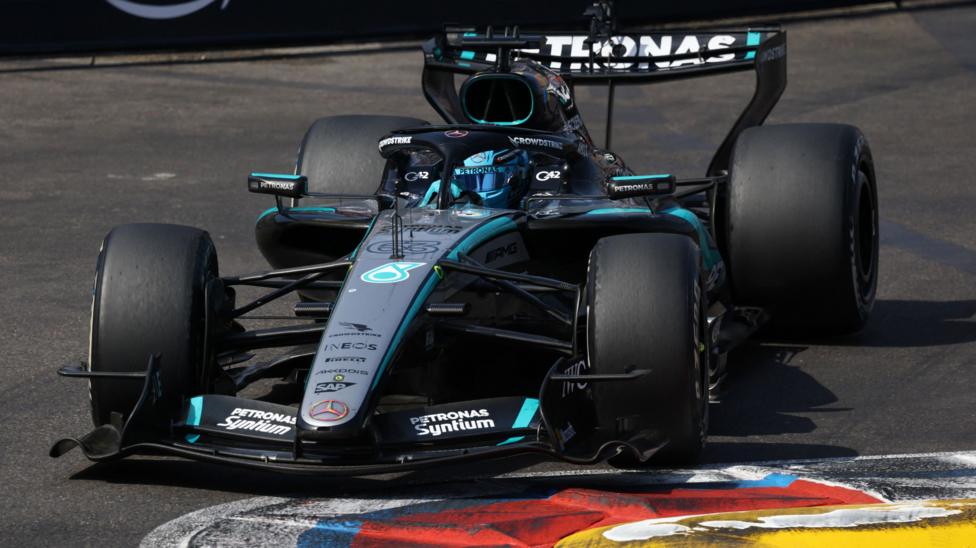
Mercedes Drops Monaco Appeal as Pragmatism Beats Politics
Mercedes abandoned their Monaco Grand Prix appeal, accepting pragmatic reality over procedural battles amid F1's regulatory gray areas.

Russell's Austria Redemption Reasserts Mercedes' Title Credentials
Mercedes answered Ferrari and Hamilton's Barcelona statement with a dominant Austrian Grand Prix victory through George Russell.