Spain vs Argentina: The Final That Rewrites Football's Present
A World Cup final pitting Spain's generation against Messi's Argentina legacy unfolds in New York tonight.
The Biggest Stage in the Big Apple
New York City hums with a different energy tonight.
The World Cup final has descended on the metropolis, and the contrast is jarring in the most beautiful way. Football's grandest spectacle, traditionally reserved for the marble stadiums of Europe or the cathedral arenas of South America, now unfolds against the Manhattan skyline.
3pm EST. 8pm BST. 5am AEST.
Three kick-off times that tell you everything about football's global grip. While New Yorkers file into a stadium buzzing with anticipation, London viewers settle into their sofas and Sydney fans set alarms for a dawn wake-up call that no one wants to miss.
This is Spain versus Argentina. The present against the seemingly eternal.
A Final That Defies the Script
Nobody predicted this specific matchup when the tournament began. That is what makes World Cup finals so intoxicating. They refuse to follow narratives we pre-write for them.
Spain arrive carrying the confidence of a generation that has already conquered Europe. Their youth pipeline, the envy of every football federation on the planet, has produced a squad brimming with technical mastery and tactical maturity far beyond their years.
La Roja's midfield orchestrates matches like a symphony conductor who never loses the beat. They do not merely win games. They impose their will on them.
Argentina, meanwhile, carry the weight of a nation's devotion. Their path to this final has been a study in resilience, the kind forged through qualifying campaigns that test body and soul. They are not here by accident.
"When Argentina plays a final, the entire country stops breathing. It is not pressure. It is purpose."
That quote captures something essential about the Albiceleste. For them, football is never just a game. It is identity distilled into ninety minutes.
Spain: The New Empire
Spain's tournament has been a masterclass in controlled aggression.
Their possession statistics border on the absurd. In the knockout stages, they have regularly eclipsed 65% possession while limiting opponents to a mere handful of attempts on target. This is not just keeping the ball. It is suffocation disguised as football.
The young core that powered Spain through the tournament has matured with remarkable speed. Players who looked raw in the group stages now operate with the composure of veterans who have played in fifty finals.
- 68% average possession across the tournament
- 1.8 goals conceded per match in the knockouts before the final
- 87% pass accuracy in the attacking third against high-press systems
The numbers sketch a team that has evolved beyond the tiki-taka stereotypes. This Spain side can be direct when the moment demands it. They stretch defences with diagonal balls and exploit half-spaces with intelligent third-man runs. The old accusations of sterile possession feel increasingly outdated.
Lamine Yamal has been the breakout revelation. His raw pace terrifies defenders so much that opponents now deploy dedicated shadows to track him across the pitch. It rarely matters. He drifts into pockets where markers cannot legally follow.
Argentina: The Relentless Pursuit
Argentina's road through this tournament demanded grit.
They navigated a group stage that tested their defensive structure and then faced a gauntlet of knockout opponents who each believed they could be the team to finally dethrone the reigning world champions. None of them succeeded.
Lionel Scaloni's tactical flexibility has been Argentina's secret weapon. He has rotated formations like a veteran chess grandmaster switching openings. He adapts in real time depending on the opponent's shape and pressing triggers.
What separates this Argentina team from previous iterations is their defensive steel. They have conceded just three goals in their last four knockout matches. The romantic notion of a purely attacking South American side has been replaced by a pragmatic machine that defends collectively and devastatingly.
For Argentina, the emotional stakes transcend tactics. Lionel Messi, now firmly in the twilight of his international career, has one last chance to add another World Cup to his collection.
Every touch he takes feels weighted with significance. Every pass carries the hopes of a nation that views him as something more than a footballer.
"Messi in a final is not the same player as Messi in a group game. The gravity of the moment reshapes him completely."
Scaloni has built a structure that maximises Messi's diminishing stamina while amplifying his unmatched vision. The team runs so Messi can walk. And when Messi walks, he sees passes no one else in the stadium even imagines.
Behind the Showdown
The commercial dimension of this final cannot be ignored.
New York as a venue represents FIFA's aggressive push into the North American market ahead of the continent's infrastructure transformation. MetLife Stadium, designed primarily for American football, has been retrofitted into a football cathedral capable of hosting the sport's biggest event.
The broadcasting strategy alone reveals the financial scale. ITV's coverage from a New York studio was meant to project novelty and access. But the reality, as more than one viewer has noted, fell short of the ambition.
The studio served mostly to confirm that wind exists in New York. Pundits sat in attractive but sterile environments while the actual drama played out miles away. The disconnect between studio polish and stadium atmosphere became increasingly obvious as the tournament progressed.
- Projected global viewership approaching 1.5 billion
- Advertising slots sold out months before the final
- FIFA's North American commercial revenue has doubled compared to the previous cycle
"The World Cup in America was always going to be a different beast. The money speaks English here."
That comment from an industry insider captures the dual nature of this tournament. The football remains majestic. The commercial scaffolding surrounding it has grown arms and legs.
The Tactical Battleground
When the whistle blows, the tactical chess match begins.
Spain will look to dominate possession and force Argentina to chase shadows. Their midfield trio acts as both creator and destroyer, recycling the ball with monotonous precision while denying opponents any rhythmic foothold in the game.
Argentina will likely cede the ball and invite Spain into their half. Scaloni has built a team that thrives in transition moments. They absorb pressure, then strike with venom.
The first twenty minutes will tell the story.
If Spain establish their passing rhythm early, Argentina will spend the match chasing. If Argentina manages to disrupt Spain's tempo with aggressive pressing, La Roja's young players could feel the final's pressure for the first time.
Set pieces represent another fascinating subplot. Spain's aerial vulnerability has surfaced throughout the tournament. Argentina's delivery from wide areas has been consistently dangerous. Expect Scaloni's men to win the corner count and test Spain's defensive organisation from dead ball situations.
The midfield battle is where this final will be won or lost. Spain's technicians against Argentina's enforcers. Ball retention against ball recovery. The old philosophical tension that defines football at its highest level.
What This Final Means
For Spain, victory would confirm their status as the dominant force of this football generation. Their youth revolution would be validated on the biggest stage.
For Argentina, a win would cement an era of dominance under Scaloni that few thought possible Messi's legacy would gain another golden chapter.
For football, this final pits two opposing philosophies against one another. The proactive possession game against the reactive transition machine. Technical perfection against emotional递 determination.
New York will host it all under lights that burn bright enough to be seen from orbit.
The world will be watching. Different time zones, different languages, same shared breath held at every decisive moment.
This is what the World Cup final does best. It takes a game and makes it a global happening. It takes athletes and makes them legends or footnotes.
By the end of tonight, one nation will celebrate into the Manhattan dawn while the other confronts an alternate reality they cannot unwrite.
The whistle approaches. The city waits. The football world holds its collective breath.
Editorial Integrity
This is an original SportPulse article written by our editorial team. All content is independently researched, written, and reviewed by our writers and editors before publication. We do not publish copied, aggregated, or syndicated content.
SportPulse is committed to original sports journalism. Read our editorial policy or contact us with any questions.
More Like This
All football
Ligue 1's Year of Reckoning: Vitinha's Coronation, Pogba's Collapse
Vitinha became PSG's heartbeat while Pogba and Nice crumbled — a season of stark contrasts in France.
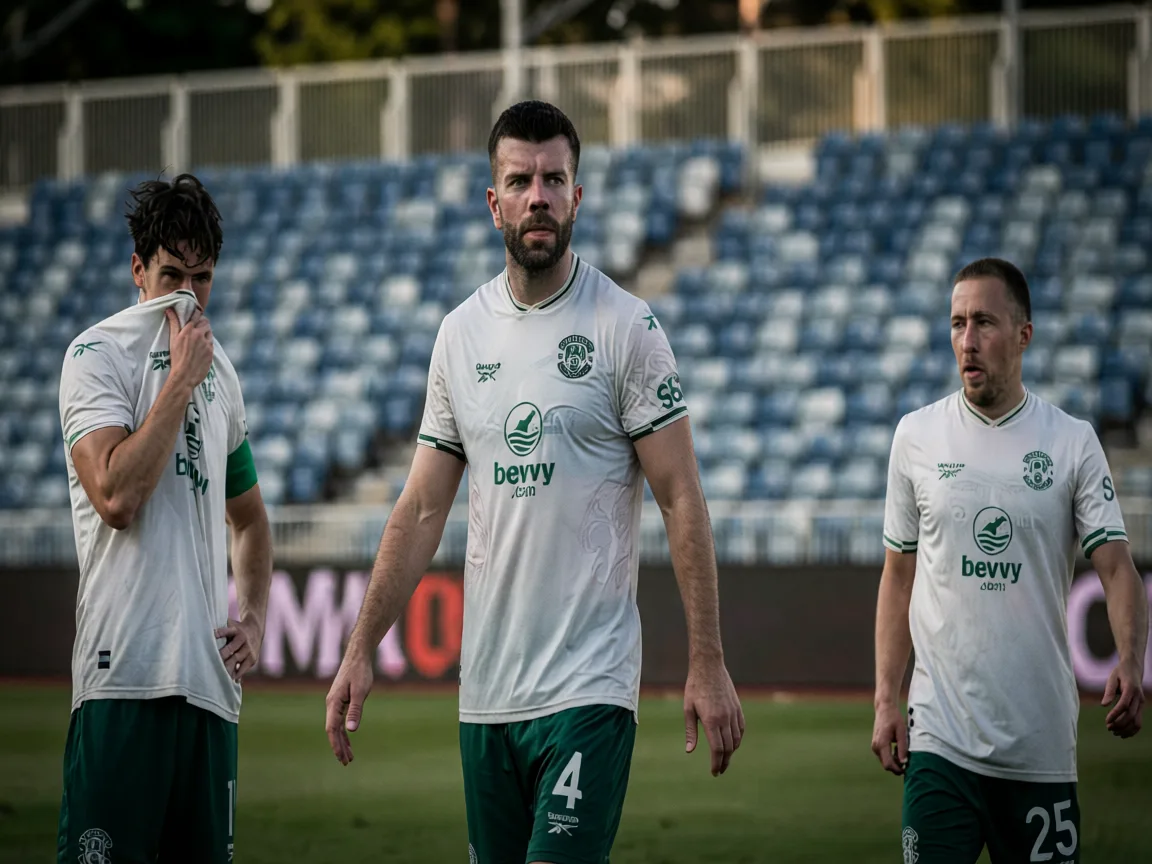
Hibs Left Exposed in Kosovo as Malisheva Inflict Conference League Stun
David Gray's side fell to a humbling 2-0 defeat in Kosovo, leaving their European hopes hanging by a thread.
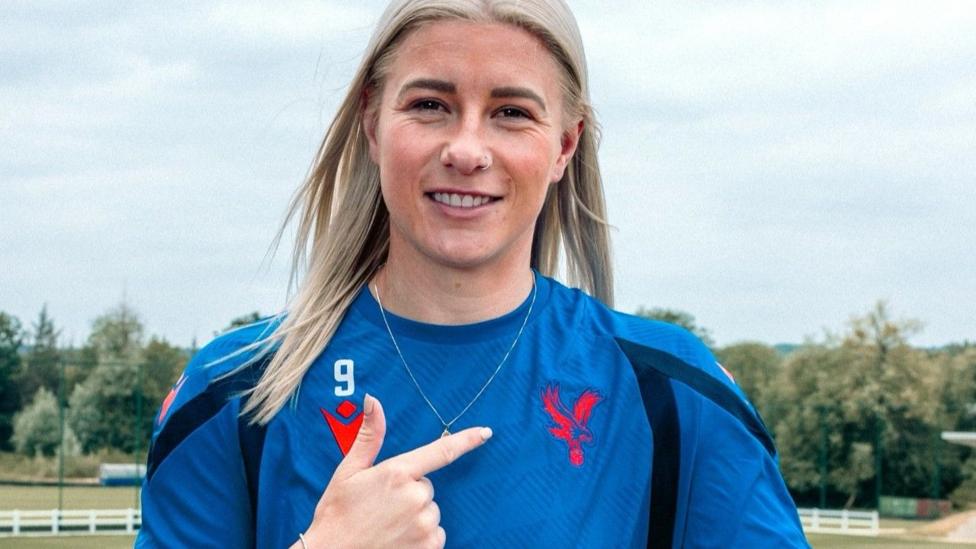
Palace Roll the Dice on England's Bethany
Crystal Palace land Bethany England on a free transfer, sending shockwaves through the WSL with their boldest signing yet.