Spain's Beautiful Machine Is Built to Conquer the World in 2026
Twenty simulations, twenty different roads, one destination: Spain lifting the World Cup in North America.
The Verdict Is In
Play the bracket. Pick the upsets. Choose the dark horses. Run the simulation again and again, twenty times over. It doesn't matter.
Spain wins. Every single time.
That's the conclusion Guardian writer Alexander Abnos reached after stress-testing every possible pathway through the 2026 World Cup bracket in North America. Twenty different routes to the final. Twenty permutations of group-stage chaos, knockout-round drama, and penalty shootout heartbreak. And every single one ended the same way: Spain lifting the trophy, with Portugal standing as their final opponents.
"I've played our Bracketology game 20 times and gotten 20 different paths but Spain always end up winning."
It's a bold call. It's also the most rational one available.
Why Spain Keeps Winning the Simulation
There's a reason Spain survives every bracket you throw at them. They aren't built on one talisman, one system tweak, or one generation of genius. They are built on a self-sustaining football identity that has proven virtually impossible to dismantle across multiple tournament cycles.
The foundations were laid at Euro 2024 in Germany, where Luis de la Fuente's side didn't just win. They annihilated the field with a brand of possession football that felt simultaneously classical and revolutionary. A perfect group stage. A dismantling of host nation Germany in the quarterfinals. A dominant final against England. Spain collected the trophy looking like they had at least two more gears they never needed to reach.
But what makes the 2026 projection so compelling isn't the memory of 2024. It's the age profile of the squad that conquered Europe.
Lamine Yamal was 16 years old when he terrorized defenses at the Euros. He'll be 18 when the World Cup kicks off in North America, entering what should be his physical and technical prime with two full seasons of elite club football already behind him at Barcelona. The ceiling isn't just high. It's theoretical.
Pedri will be 23. Gavi will be 21. Nico Williams will be 24. This isn't a golden generation on the verge of aging out. It's a golden generation just getting started.
The Depth Problem (For Everyone Else)
The most terrifying aspect of Spain's position isn't the starting eleven. It's the players who can't get into it.
Spanish football is producing midfield talent at a rate that borders on the absurd. Players who would start for virtually any other international side are fighting for bench spots in De la Fuente's setup. That kind of internal competition creates a relentless standard. It also means injuries, suspensions, and fatigue barely register as threats to Spain's tournament hopes.
Other nations build squads. Spain builds ecosystems.
The Iberian Final That Makes Perfect Sense
Abnos pairing Spain with Portugal in the final isn't a sentimental pick. It's a structural one.
Portugal have quietly assembled one of the deepest and most versatile squads in world football. Bernardo Silva, Bruno Fernandes, Vitinha, Rafael Leão, Diogo Jota. The talent pipeline flowing from the Premier League, La Liga, and Ligue 1 is staggering. And crucially, Portugal have solved the problem that haunted them for years: how to build a functioning team around generational individual brilliance without becoming dependent on it.
The post-Cristiano Ronaldo era hasn't been a decline. It's been a liberation.
Roberto Martínez has implemented a tactical flexibility that makes Portugal dangerous in any matchup. They can press high and suffocate weaker sides. They can sit deep, absorb pressure, and hit on the counter against elite opponents. That adaptability is exactly what you need to survive seven knockout-round matches across a month-long tournament spread across three countries.
An all-Iberian final would also be a commercial and narrative dream for FIFA. Spain vs. Portugal in a World Cup final on North American soil? That's a global television event that transcends the sport.
The North American Wild Card
The 2026 World Cup presents logistical challenges unlike anything the tournament has ever seen. 48 teams. 16 host cities across the United States, Canada, and Mexico. Potential travel distances that would make a Champions League group stage blush.
Squad depth becomes paramount. Tactical flexibility becomes non-negotiable. The ability to manage minutes, rotate intelligently, and maintain intensity across a potential seven-game knockout run separates the pretenders from the contenders.
Spain checks every one of those boxes.
The heat and humidity of a North American summer will test every squad's conditioning. Mexico City at altitude. Houston in June humidity. Miami's sweltering nights. These aren't just football matches. They're physical endurance tests wrapped in tactical chess.
Nations with narrow squads or rigid systems will be exposed. Spain's ability to control possession, dictate tempo, and conserve energy through their trademark short-passing game becomes an enormous structural advantage in those conditions.
The Bracket Doesn't Lie
Here's what makes Abnos's exercise so revealing. The Bracketology game isn't a prediction market. It's not influenced by bookmaker odds or media narratives. It's a cold, mechanical projection based on matchup probabilities.
And twenty runs produced the same champion.
That kind of consistency doesn't happen by accident. It happens when one team's ceiling is so high, and their floor so stable, that no reasonable upset scenario can knock them out. Spain's tactical system is designed to minimize variance. They don't rely on moments of individual brilliance that might or might not come. They impose a structure that generates chances systematically and denies opponents rhythm.
In knockout football, that's the ultimate cheat code.
The Challengers
This isn't to say Spain's path is a coronation. France possess arguably the most talented individual squad in world football and will be desperate to avenge their Euro 2024 semifinal exit. Brazil, if they can finally solve their identity crisis, have the raw talent to beat anyone on their day. Argentina will arrive as defending champions with an aging but battle-hardened core desperate to deliver one last masterpiece for Lionel Messi's generation.
England, Germany, the Netherlands, Italy. The list of genuine threats is long.
But threats and tournament winners are different categories entirely. And right now, no nation occupies the gap between them more convincingly than Spain.
What Happens Next
The World Cup kicks off on June 11, 2026. The group stage draw will reshape every prediction. Injuries will alter every projection. A single red card, a single penalty miss, a single moment of individual magic can rewrite any script.
That's the beauty of the World Cup. It doesn't care about your bracket.
But if you're sitting down to play the simulation game right now, running the numbers on squad depth, tactical structure, age profiles, and tournament pedigree, there's only one honest answer.
Spain. Every single time.
Editorial Integrity
This is an original SportPulse article written by our editorial team. All content is independently researched, written, and reviewed by our writers and editors before publication. We do not publish copied, aggregated, or syndicated content.
SportPulse is committed to original sports journalism. Read our editorial policy or contact us with any questions.
More Like This
All football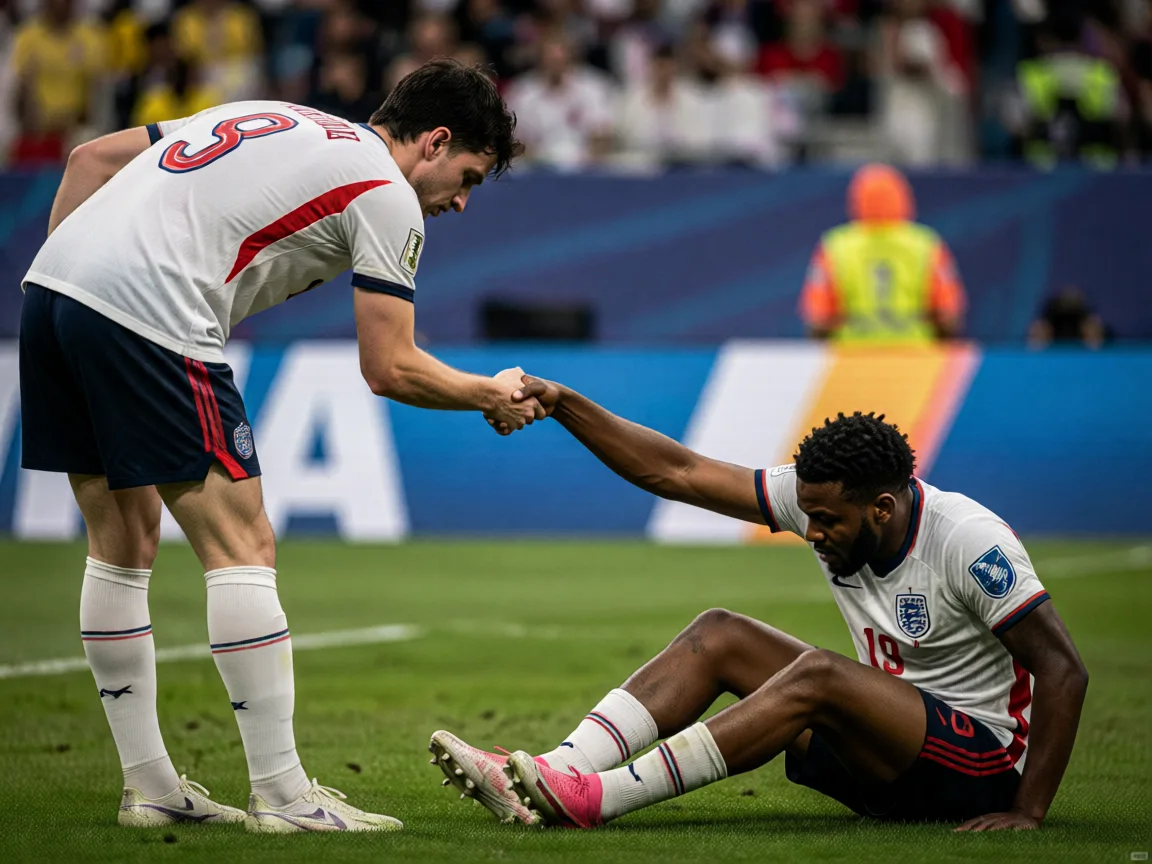
England's Right-Back Crisis Deepens as Reece James Faces Race Against Time
With James sidelined again, Tuchel scrambles to plug a problem position before England's quarter-final showdown with Norway.
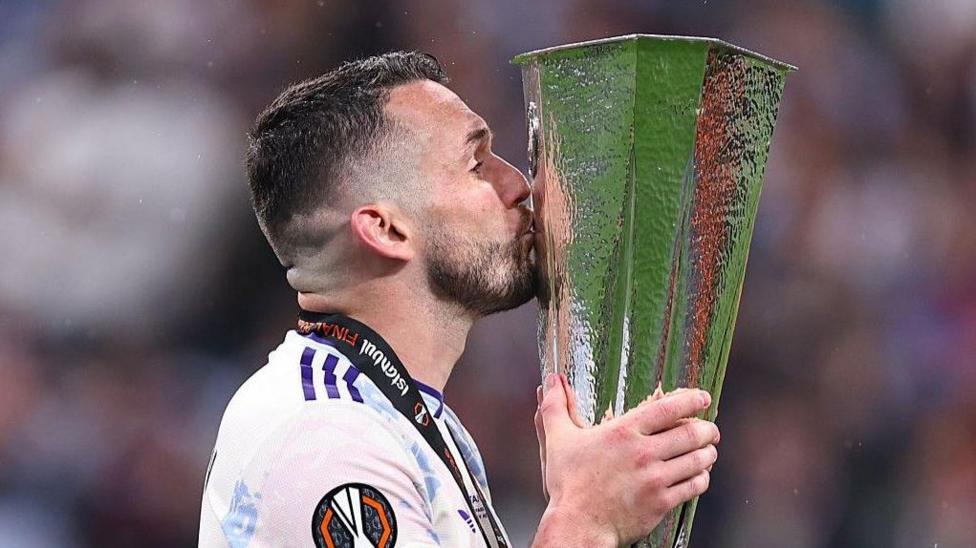
Chasing the European Jackpot: How Much Have PL Clubs Banked in Europe?
Arsenal, Aston Villa and Crystal Palace are cashing UEFA checks, but how do those millions stack up against domestic revenue?
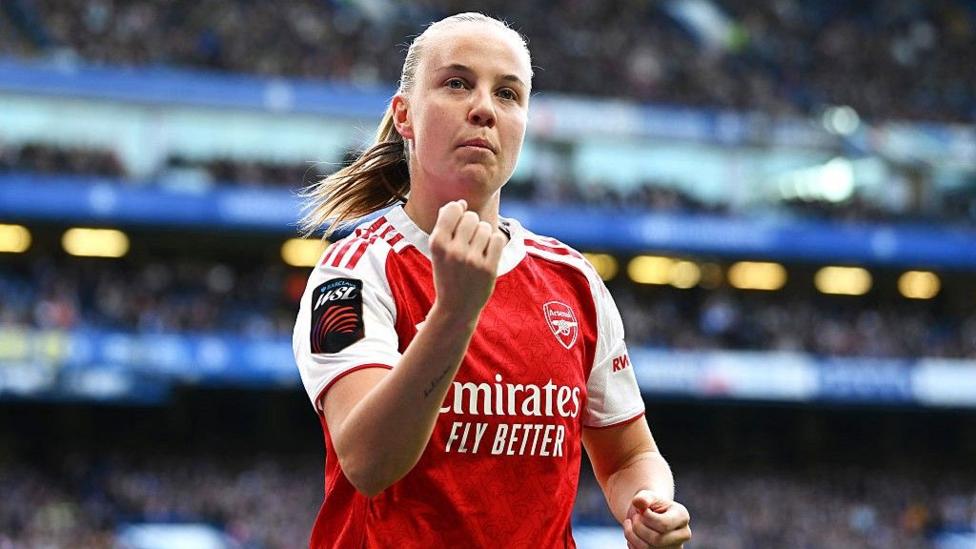
Mead Ditches Arsenal for City in Blockbuster Free Transfer
Beth Mead's shock Arsenal exit delivers Manchester City their deadliest WSL weapon on a free transfer.