Spurs Smash Transfer Record to Land Fernandes as Man United Walk Away
Tottenham's £85m capture of Mateus Fernandes signals a seismic shift in Spurs' transfer ambition and midfield identity.
The Deal That Rewrites Tottenham's Transfer Playbook
Tottenham Hotspur have agreed an £85 million deal to sign Mateus Fernandes from West Ham United, pulling off what may be the most significant midfield acquisition the club has made in a generation. Manchester United, who had been tracking the Portuguese midfielder for months, officially withdrew from negotiations, clearing the path for Spurs to complete a transfer that dwarfs their previous record fee. Fernandes is now due to undergo a medical before the move is formally completed.
Let's not mince words: £85 million for a player who arrived at West Ham from Sporting CP is a staggering number. It is also a statement of intent so loud it practically echoes across north London. Tottenham have not historically operated at this level of the market. This is the kind of fee that clubs with genuine title ambitions pay, and for the first time in years, Spurs appear ready to back that ambition with serious capital.
Why Manchester United Pulled Out
The withdrawal of Manchester United from the Fernandes race is a storyline unto itself. United had been widely reported as frontrunners for the midfielder's signature, with Erik ten Hag's side viewing him as the long-term engine room solution they have desperately lacked. But sources indicate that the combined financial package, including wages and agent fees on top of the £85m base fee, pushed the deal beyond what Old Trafford's hierarchy deemed prudent given their existing financial commitments.
United's retreat tells us two things. First, the club's financial fair play constraints are very real, not just media posturing. Second, Tottenham's willingness to meet West Ham's asking price without flinching suggests the north London club had been planning this move far more aggressively than the outside world realized.
"When a club walks away from a player of this quality, it's rarely about the player. It's about the spreadsheet." — A common refrain among Premier League recruitment analysts.
What Spurs Are Actually Getting
Fernandes arrived at West Ham from Sporting CP and quickly established himself as one of the most dynamic young midfielders in the Premier League. His profile is rare: a box-to-box midfielder who combines elite ball-carrying ability with genuine defensive work rate. He does not simply occupy space in midfield; he transforms it.
His statistical profile at West Ham paints the picture of a midfielder who does everything at a high level rather than one single thing exceptionally:
- Progressive passes and carries consistently ranked among the top 15% of Premier League midfielders
- Tackle and interception numbers that place him in the upper quartile defensively
- A passing accuracy in the final third that reflects composure under pressure, not just safe recycling
- Minutes played across all competitions demonstrating remarkable durability for a player his age
The tactical fit at Tottenham under Roberto De Zerbi is intriguing. De Zerbi, who helped Tottenham to narrowly avoid relegation last season, has been handed significant funds this summer and is building a midfield capable of steering the club in a very different direction. His system demands midfielders who can receive the ball in tight spaces, turn, and drive forward. Fernandes does exactly that. He is not a sideways passer. He is not a placeholder. He is the kind of midfielder who picks the ball up inside his own half and suddenly the opposition is scrambling.
The London Rivalry Dimension
Selling a key player to a direct geographic rival is never comfortable, and West Ham's willingness to sanction this move at £85 million suggests the Hammers felt the fee adequately compensated for the competitive disadvantage — a calculation made all the more stark by West Ham's relegation from the Premier League last season. It is a pragmatic calculation: the money allows West Ham to reinvest across multiple positions, strengthening the squad's overall depth rather than relying on a single talisman.
Still, there is an unavoidable sting here. West Ham fans will watch Fernandes line up in Tottenham white next season, knowing full well that every derby between the two clubs just became personal in a way that transfers between London rivals always do. Remember how Arsenal fans felt watching Sol Campbell walk across north London? The emotions are not identical, but the mechanism of pain is familiar.
For West Ham's recruitment team, the challenge now is reinvestment. History is littered with examples of clubs selling a star player for a massive fee and then frittering the money away on three or four mediocre replacements. West Ham cannot afford that mistake. The £85 million must be deployed with surgical precision.
Financial Context: What £85m Means in 2025
To put this fee in perspective, £85 million places Fernandes among the most expensive midfield transfers in Premier League history. It is a fee that reflects the hyperinflated state of the modern transfer market, where a 21-year-old with fewer than two full Premier League seasons under his belt commands the kind of money that would have bought you a Ballon d'Or contender a decade ago.
But markets do not operate on nostalgia. They operate on projections. And the projection for Fernandes is that he has the ceiling to become one of the best central midfielders in European football. Clubs are not paying for what he is today. They are paying for what he could be in two or three years, when his prime arrives and the investment looks either shrewd or foolish in hindsight.
Tottenham's willingness to spend at this level also reflects the club's broader financial trajectory. The Tottenham Hotspur Stadium generates matchday revenue that rivals any ground in Europe. The commercial deals have grown. The infrastructure is elite. Now, finally, the transfer spending appears to be catching up with the off-pitch investment.
The Verdict
This is the transfer that defines Tottenham's summer and potentially the early chapter of De Zerbi's rebuild. £85 million buys you more than a midfielder; it buys you a declaration. Spurs are no longer content to shop in the mid-market and hope for the best. They have identified a generational talent, beaten Manchester United to his signature, and paid what it took to get the deal done.
The risk, of course, is substantial. Any £85 million signing carries the weight of expectation. Fernandes will need to adapt to a new system, new teammates, and the unique pressure of being the most expensive player in Tottenham's history. If he thrives, this transfer could be the catalyst that pushes Spurs from top-four contenders into genuine title challengers. If he struggles, it becomes a very expensive albatross.
But here is the bottom line: Tottenham have not made a habit of swinging this big in the transfer market. When they do, it is worth paying attention. Fernandes is the kind of signing that alters the trajectory of a club, and £85 million says Spurs believe it too.
What Comes Next
The immediate question is how De Zerbi integrates Fernandes into a midfield that already has established options. The Portuguese international's versatility means he can operate as a number eight, a deep-lying playmaker, or even in a more advanced role depending on the tactical setup. That flexibility is precisely what makes him worth the outlay.
De Zerbi is not stopping at Fernandes either. Tottenham also hope to sign the Newcastle midfielder Sandro Tonali, a move that would give the Spurs midfield an entirely new complexion and suggest the club's summer spending is far from over.
Tottenham's opening fixtures will be scrutinized heavily. Every touch, every progressive carry, every defensive intervention will be analyzed through the lens of that £85 million price tag. Fernandes has shown at West Ham and at Sporting before that he has the temperament for the spotlight. Now he must prove it at a club where the spotlight burns brighter and the patience runs thinner.
One thing is certain: the Premier League's midfield hierarchy just shifted. And Tottenham, for once, are the ones doing the shifting.
Updated: 2026-06-30 — Added confirmation that Fernandes is due for a medical before completing the deal and that Spurs also hold interest in Newcastle's Sandro Tonali.
Editorial Integrity
This is an original SportPulse article written by our editorial team. All content is independently researched, written, and reviewed by our writers and editors before publication. We do not publish copied, aggregated, or syndicated content.
SportPulse is committed to original sports journalism. Read our editorial policy or contact us with any questions.
More Like This
All football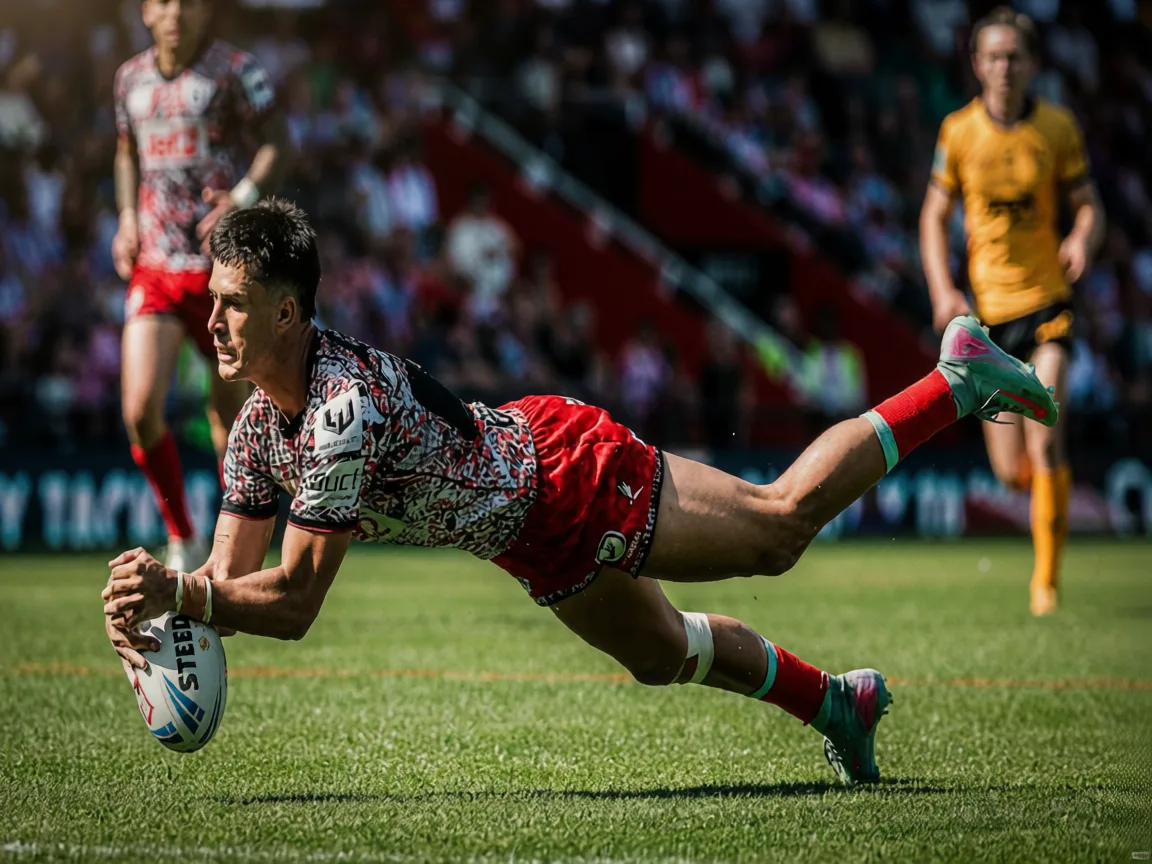
Leigh's Defensive Structure Survives Castleford Siege
Leigh's defensive discipline and structural adaptation proved decisive in a narrow 24-18 Super League victory.
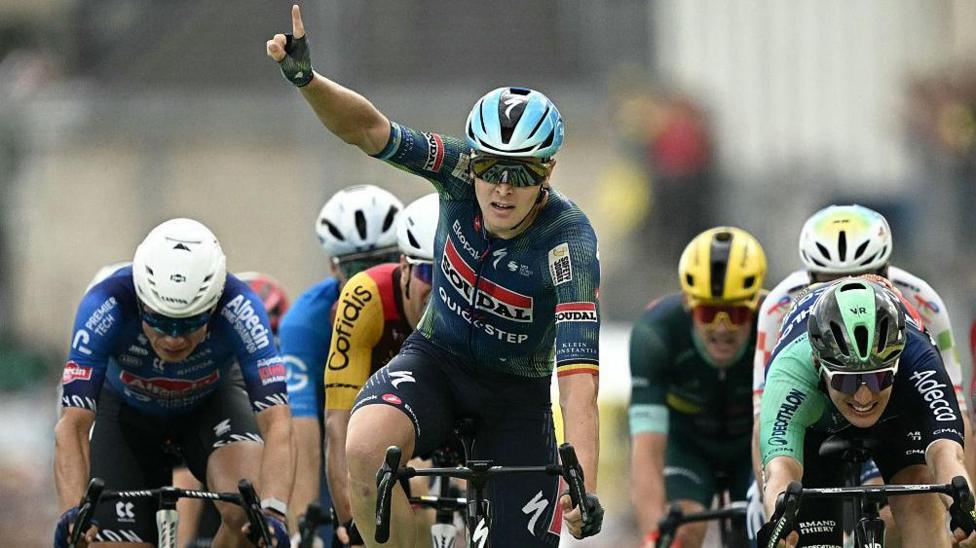
Tim Merlier's Stage 12 Sprint Mastery Reshapes the Tour's Green Jersey Battle
Tim Merlier storms to his third Tour de France stage win in a chaotic sprint, tightening his grip on the green jersey.
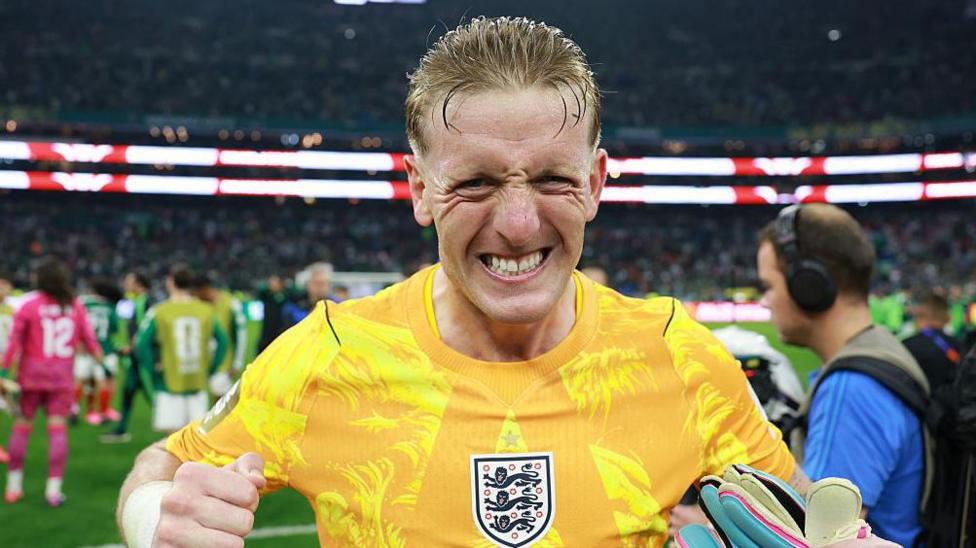
Jordan Pickford's England Record Demands Respect He Rarely Gets
England's most decorated goalkeeper enters World Cup history, yet Pickford still fights for the credit his performances have long earned.