Reborn Clarke Eyes World Cup Breakthrough With New-Look Scotland
Steve Clarke admits he feels transformed heading into Scotland's seismic World Cup opener against Haiti.
A Coach Reborn
There was a time when Steve Clarke carried the weight of Scottish football on his shoulders like a man trudging through the Edinburgh drizzle with no umbrella. Euro 2020 had been a baptism of fire. The 2022 World Cup qualifying campaign ended in heartbreak. The skepticism from sections of the Tartan Army never fully dissipated, even after he guided the nation to back-to-back European Championships.
Now, heading into Scotland's World Cup opener against Haiti, Clarke is telling anyone who will listen that something has shifted. He is, by his own admission, a different Steve Clarke.
"I feel like a new man. There's an energy about this group that I haven't felt before. You feed off that."
It is not the kind of language Scotland's notoriously guarded manager typically deploys. Clarke has built his reputation on caution, pragmatism, and a refusal to offer opponents even a crumb of bulletin-board material. So when he starts talking about transformation and fresh optimism, it is worth paying attention.
The Weight of History
Scotland's relationship with the World Cup is defined by absence. The nation last appeared at the tournament's group stage in 1998, when a Craig Burley red card and a 3-0 mauling by Morocco bookended a campaign that delivered the familiar cocktail of hope and despair.
Twenty-seven years is a long time to wait. Generations of Scottish footballers have retired without ever pulling on a dark blue jersey at the sport's ultimate event. The psychological toll of that drought runs deeper than any tactical schematic or formation tweak.
Clarke knows this better than anyone. He was part of the coaching setup under José Mourinho at Chelsea. He has worked at the highest levels of the English game. But nothing in his career prepared him for the emotional gravity of trying to drag Scotland back to football's biggest stage.
That gravity is precisely what makes his current demeanor so striking. The man walking into this World Cup campaign does not sound weighed down by history. He sounds liberated by it.
Haiti: A Deceptive Opening Test
On paper, Haiti might look like a favorable draw. The Caribbean nation has never been a World Cup regular, and their infrastructure and resources pale in comparison to Scotland's established domestic league.
But dismissing Haiti would be a catastrophic mistake, and Clarke is far too meticulous for that.
Haiti have produced a generation of players competing in top European leagues and across Major League Soccer. Their athleticism, pace on the counter, and ability to absorb pressure before striking in transition make them a genuinely awkward opening opponent. Scotland cannot afford to treat this as a gentle warm-up.
"We respect every opponent. Haiti have qualities that will test us. If we're not at our level, we'll get punished."
The tactical blueprint for Scotland will likely center on their established back-three system, the defensive structure that has been Clarke's calling card throughout his tenure. Wing-backs pushing high, midfielders controlling the tempo, and a compact shape that frustrates opponents into mistakes.
The question is whether Clarke's "new man" energy translates into tactical boldness. Does he unleash his attacking players earlier? Does he push the defensive line higher? Or does the opening match of a World Cup demand the conservative approach that has served him so well?
Behind the Shift
What Changed?
Several factors appear to have contributed to Clarke's transformation.
-
The qualifying campaign itself was a statement of intent. Scotland navigated a grueling European qualifying group with a defensive record that ranked among the continent's best, conceding just 6 goals in 10 matches.
-
The emergence of a new generation of Scottish talent has injected pace, creativity, and attacking dynamism into a squad that was previously built primarily on defensive solidity.
-
Clarke's own evolution as a tactician has been evident. He has moved away from rigid defensive structures toward a more flexible system that can adapt mid-game, a sign of a coach who has gained confidence in his players' ability to execute more ambitious plans.
-
The psychological shift within Scottish football culture cannot be underestimated. Back-to-back European Championship qualifications have normalized tournament football for a nation that spent decades on the outside looking in. The fear of failure has not disappeared, but it no longer paralyzes.
The Bigger Picture
This World Cup represents something Scotland have not had in nearly three decades: a chance to announce themselves on the global stage with a modern squad and a coach who understands both the tactical and emotional demands of tournament football.
Clarke's willingness to publicly acknowledge his own transformation is itself a departure from his usual media approach. The man who once gave press conferences that could generously be described as monosyllabic is now painting a picture of renewal and possibility.
"You grow with every tournament. I've learned from every experience, good and bad. This group has taught me as much as I've taught them."
That mutual growth is the foundation of Scotland's World Cup bid. Clarke is not a coach who imposes his will through charisma or media manipulation. He builds trust through preparation, consistency, and an unwavering belief in collective effort.
The freshness he describes is not manufactured. It comes from a squad that genuinely believes it belongs at this level, and a coaching staff that has refined its methods through years of international trial and error.
What Comes Next
The opener against Haiti will set the tone for Scotland's entire tournament. A convincing performance and result would validate everything Clarke has been building. A stumble would invite the familiar chorus of doubt.
But the Scotland heading into this World Cup does not feel like a team waiting for the other shoe to drop. Clarke's renewed energy has permeated the squad. Training sessions have been described as the sharpest and most intense of his tenure. The atmosphere around the camp is one of genuine anticipation rather than anxious obligation.
For a nation starved of World Cup football for 27 years, that shift in mood might be the most significant development of all. Tactics will matter. Individual quality will matter. But belief, the kind of deep-rooted conviction that Clarke now radiates, is the intangible that separates teams that survive World Cups from those that thrive in them.
Haiti are first. Scotland's reborn coach would not have it any other way.
Editorial Integrity
This is an original SportPulse article written by our editorial team. All content is independently researched, written, and reviewed by our writers and editors before publication. We do not publish copied, aggregated, or syndicated content.
SportPulse is committed to original sports journalism. Read our editorial policy or contact us with any questions.
More Like This
All football
Chelsea Hit With £10m FA Fine Over 13 Years of Agent Payment Breaches
The Football Association fines Chelsea £10m for agent payment violations spanning 2009 to 2022, but imposes no points deduction or sporting sanction.
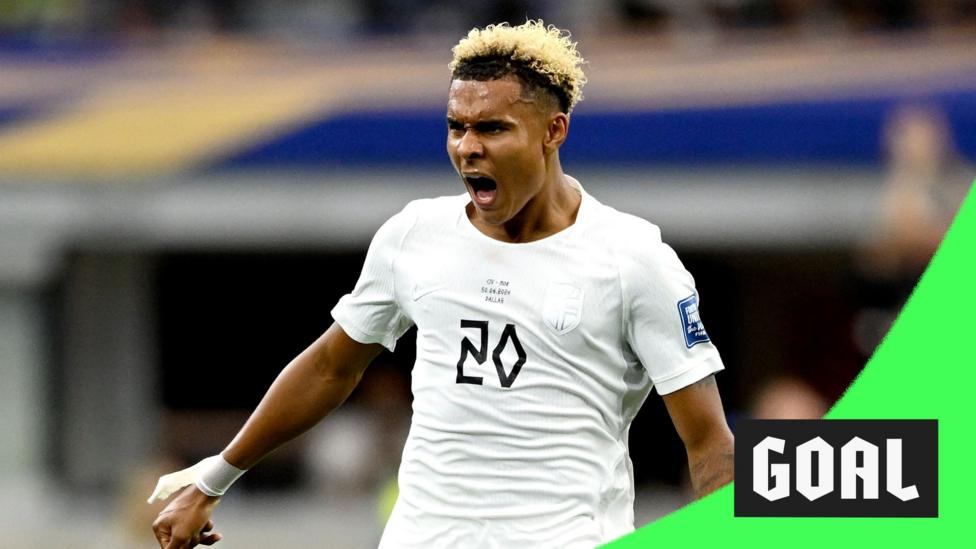
Nusa's Thunderbolt Announces Norway's Arrival on the World Stage
Antonio Nusa's stunning strike against Ivory Coast signals a generational talent ready to carry Norwegian football forward.

The World Cup Guessing Game Phenomenon Taking Football Fans Captive
World Cup star No 21 is the latest puzzle driving fans mad, but this daily ritual reveals deeper truths about how we consume the beautiful game.