Clarke's Selection Chess Match Ahead of Brazil Showdown
Steve Clarke faces defining lineup decisions as Scotland prepare for one of their biggest ever tests against Brazil.
Steve Clarke has a problem. The good kind. Scotland's意外的 rise under his management has created genuine depth, and now a fixture against Brazil demands perfection. Facing the five-time world champions represents one of Scotland's biggest games in recent memory. The tactical margin for error is razor thin. Every selection call carries massive weight.
Clarke must balance loyalty to his established core against the undeniable form of fringe players pushing for starts. The dynamics of the squad have shifted dramatically over the past 18 months. Scotland are no longer gritty underdogs scraping for respect. They are a functional unit with recognizable patterns and genuine talent. Beating Brazil requires more than grit. It requires flawless personnel execution.
The Defensive Foundation
The backline remains the cornerstone of Scotland's identity. Kieran Tierney and Andrew Robertson have anchored this team through its darkest and brightest days. But the left-center-back position alongside Tierney presents a genuine dilemma for the manager. Grant Hanley offers raw physical presence and aerial dominance. Jack Hendry brings composure on the ball and a willingness to step into midfield. Against Brazil's fluid front line, the wrong choice could expose catastrophic gaps.
Hendry's ability to carry the ball out from the back might be essential to bypassing Brazil's aggressive pressing. Yet Hanley's brute strength could be the only antidote to a physical Brazilian striker. Clarke's preference has generally leaned toward organizational solidity over progressive passing. However, a game of this magnitude against elite opposition might force a philosophical shift. The right-back slot presents its own headache. Nathan Patterson's explosive energy offers something different to the disciplined Aaron Hickey. Pace on the counter is non-negotiable against South American opponents.
Midfield Balancing Act
The engine room is where this Scotland team lives and dies. Scott McTominay has transformed himself into a genuine goal threat, scoring 7 goals in his remarkable qualifying campaign. His advanced positioning is no longer a tactical accident. It is a deliberate weapon. Yet against Brazil, pushing McTominay too high leaves the defensive midfield exposed. Clarke must decide if McTominay's goal threat justifies the structural risk.
John McGinn remains the heartbeat of this side. His physicality and late runs into the box are essential. The third midfield spot is the true battleground. Billy Gilmour's exquisite passing range offers control, but his slight frame can be bullied by physical markers. Lewis Ferguson's outstanding season in Italy demands serious consideration. Kenny McLean provides safe, reliable ball retention. Clarke has to pick the profile that best disrupts Brazil's rhythm.
Gilmour's ability to find pockets of space between the lines could unstick a stubborn Brazilian defense. But if he is isolated and pressed high up the pitch, the midfield balance collapses entirely. It is a high-wire act. The choice between Gilmour's creativity and Ferguson's relentless energy might define the entire tactical approach.
The Forward Puzzle
Lyndon Dykes has been the focal point for so long that his absence now feels like a tactical revolution. Che Adams offers superior movement and pace. The Southampton forward stretches defenses in ways Dykes simply cannot replicate. Against a high Brazilian line, Adams' pace on the shoulder is the ultimate threat. Lawrence Shankland's phenomenal scoring record in the Scottish Premiership makes him an irresistible option. His clinical finishing might be the difference between a hard-fought draw and a cruel defeat.
The wide positions offer their own complexities. Lewis Ferguson's versatility means he could easily drift inside from a nominal wide role. Ryan Fraser's direct running and urgency off the bench have historically caused chaos. Anthony Ralston provides a completely different defensive profile if needed. The sheer variety of options allows Clarke to tailor his attack precisely to Brazil's weaknesses. Finding the right blend of pace and physical resilience is the key.
Tactical Discipline vs Natural Instinct
Brazil will dominate possession. That reality is unavoidable. Scotland must be comfortable sitting deep and absorbing pressure for long spells. The transition moments are their only realistic path to goal. Clarke has drilled low-block resilience into this squad. The question is whether he trusts that system enough against the planet's most dangerous attackers. Over-committing to the press against Brazil is a guaranteed death sentence.
In the privacy of the dressing room, the atmosphere is a complex mix of tension and fierce belief. Players are studying the tactical board quietly, processing the magnitude of the occasion. Staff are speaking in clipped tones, finalizing set-piece instructions. The weight of securing a result against the most iconic shirt in football sits heavily in the air, but there is no fear.
"We have to respect the shirt, but we cannot worship it. We go onto the pitch to compete, not to admire." — Steve Clarke
Clarke's tactical instructions will focus on compactness. The distance between the forward line and the back four cannot exceed 25 meters. Any more, and Brazil's interchanging forwards will find the space they crave. Scotland must become a suffocating unit. Discipline is the absolute watchword. The momentary lapse of concentration that might go unpunished against lesser nations will be punished brutally by Brazil.
What It Means
This fixture is a pure benchmark. A competitive result against Brazil confirms Scotland's evolution under Clarke is genuine and sustainable. A heavy defeat raises familiar ghosts about the team's ability to compete at the absolute elite level. The selection decisions made this week will signal Clarke's true strategic intentions for the next competitive cycle. Choosing experience signals a desire to survive. Choosing youth and pace signals a desire to thrive.
Scotland have spent years trying to escape the shadow of historical failure. Games like this are the ultimate measure of progress. The squad has never been deeper or more confident. Walking off the pitch having competed fiercely with Brazil changes the internal psychology of this group forever. It removes the lingering inferiority complex that still haunts Scottish football on the biggest stages. Clarke's big calls will determine whether history is written or merely repeated.
Editorial Integrity
This is an original SportPulse article written by our editorial team. All content is independently researched, written, and reviewed by our writers and editors before publication. We do not publish copied, aggregated, or syndicated content.
SportPulse is committed to original sports journalism. Read our editorial policy or contact us with any questions.
More Like This
All football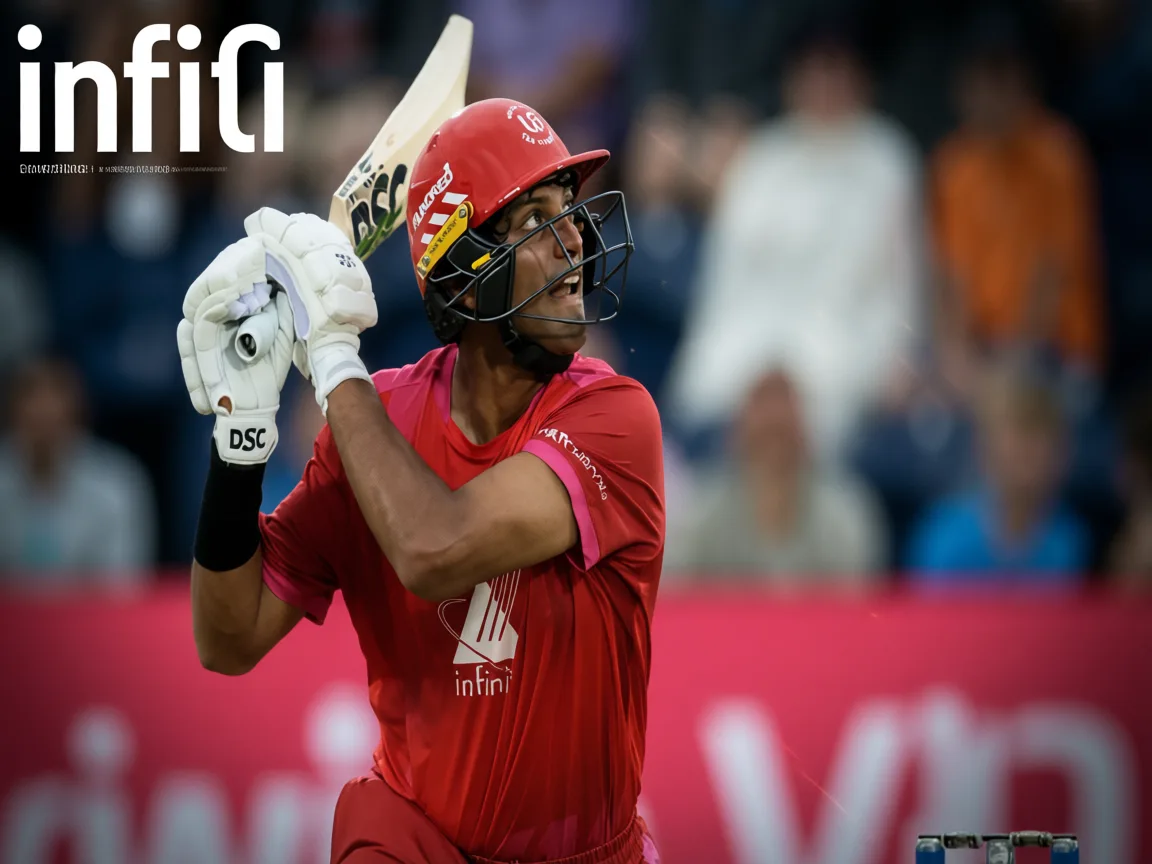
Ravindra's 98 off 44 powers Welsh Fire past MI London
Rachin Ravindra fell two short of a hundred but carried Welsh Fire to a second straight Hundred win, beating MI London by 15 runs.
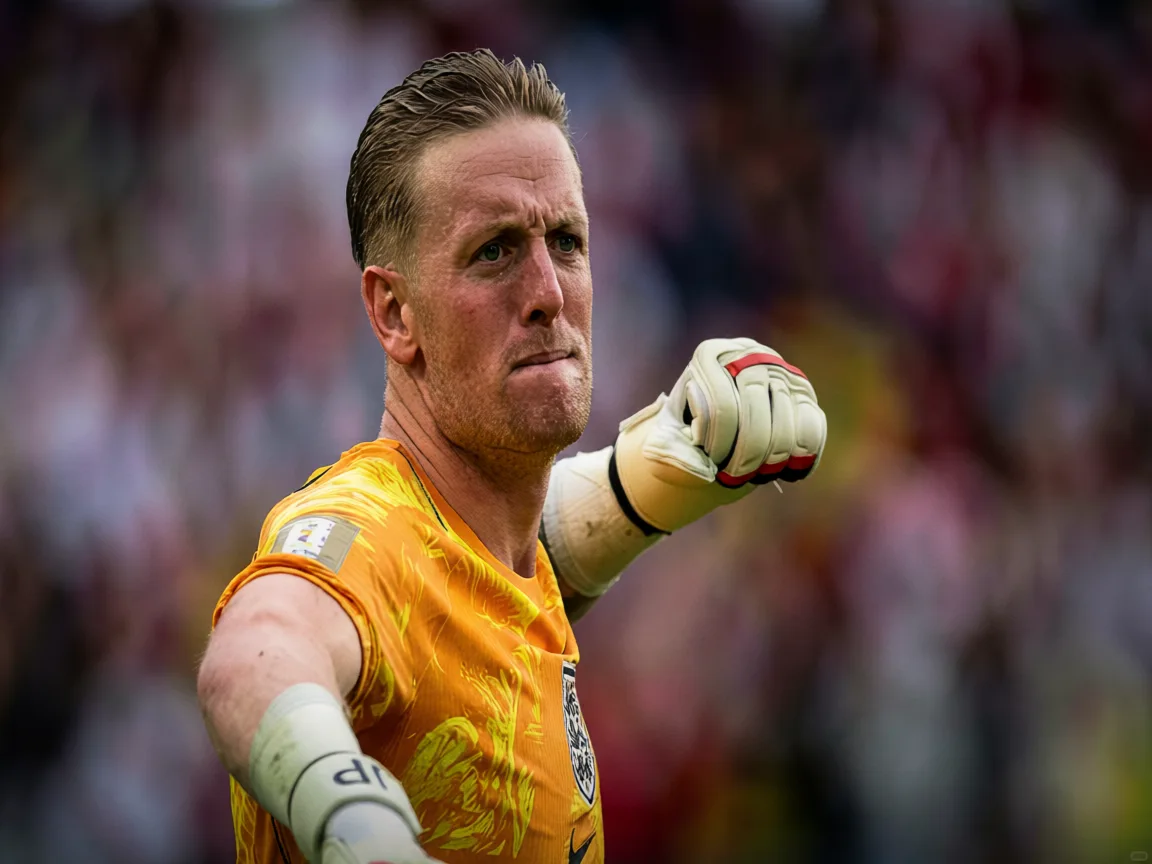
BBC Lands England World Cup Semi-Final: A Broadcast Coup
BBC secures live broadcast rights for England's World Cup semi-final, delivering terrestrial access to millions of fans nationwide.

Jiménez Tears as Mexico's Pressing Structure Dismantles South Africa
Raúl Jiménez wept after his first World Cup goal capped a dominant tactical display by co-hosts Mexico against ten-man South Africa.