Clarke Walks Away: Scotland Boss Calls Departure 'Easy' After World Cup Heartbreak
Steve Clarke departs as Scotland manager after pre-planned exit following another group-stage failure on the world's biggest stage.
The End of an Era
Steve Clarke is done. The man who dragged Scotland back to the biggest stages in international football has walked away from the national team job, confirming his departure after the country's World Cup group-stage elimination.
The 61-year-old described the decision as "easy," revealing it was always his plan to leave if Scotland failed to reach the knock-out rounds. No drama. No boardroom standoff. Just a handshake and an exit on his own terms.
"It was an easy decision because I always planned to depart if we didn't qualify for the knock-out stages." — Steve Clarke
That kind of pre-commitment is rare in modern football. Managers cling. They point to progress. They beg for one more qualifying cycle. Clarke did none of that. He set a bar, Scotland didn't clear it, and he held himself to the same standard he set for his players.
What Clarke Built
To understand what Scotland is losing, you have to remember what Scotland was before Clarke arrived in May 2019. The national team was a punchline. A country that hadn't appeared at a major tournament since the 1998 World Cup in France, drifting through failed qualifying campaigns with diminishing hope and dwindling attendances at Hampden Park.
Clarke changed the emotional temperature of an entire football nation. He led Scotland to Euro 2020 (played in 2021), ending a 23-year drought from major tournament football. The scenes at Hampden during that campaign, the roar when qualification was sealed, the tears in the stands. That was Clarke's doing.
He wasn't a tactical revolutionary. He was something arguably more valuable to Scottish football: a stabilizer. He organized, drilled, and instilled belief into a squad that had been conditioned to expect failure. Under Clarke, Scotland became difficult to beat, disciplined in shape, and dangerous on set pieces.
Euro 2024 in Germany followed. Another tournament. Another group stage. Another exit. But the fact that Scotland were even there, competing on the European stage for a second consecutive major tournament, represented an achievement that would have seemed absurd a decade earlier.
Then came the World Cup. The big one. The tournament Scotland hadn't graced since the last century. Clarke got them there. He just couldn't get them through.
The Weight of Group-Stage Exits
Here's the uncomfortable truth Clarke clearly understood: three major tournaments, three group-stage eliminations. The novelty of simply being there wears thin eventually. Scottish football had graduated from wanting to qualify to wanting to compete, and Clarke recognized the difference.
His tenure produced remarkable highs, but the pattern at tournaments told a consistent story. Scotland could fight, could organize, could make life miserable for opponents in bursts. But over the course of a group campaign, the lack of elite attacking quality and depth always caught up.
The squad Clarke assembled was a blend of heart and hard work. Players like Andy Robertson, John McGinn, Scott McTominay, and Kieran Tierney gave everything for the shirt. But "everything" often wasn't enough against nations with deeper talent pools and more explosive forward lines.
Clarke saw it clearly. He set the knockout stage as his benchmark. When it didn't happen, he didn't renegotiate the terms. He walked.
The Locker Room After the Exit
The mood in the Scotland dressing room after their final group match was one of raw emotion. Players who had given everything across the tournament sat with heads bowed, some wiping away tears. Robertson, the captain, was among the last to leave the pitch, applauding the traveling Tartan Army one final time.
Clarke addressed the group with characteristic directness. No excuses. No blame. Just a thank you and a farewell. Those present described a man at peace with the decision he'd already made, someone who had processed the outcome before it was even confirmed mathematically.
The coaching staff, many of whom had been with Clarke since the beginning of his tenure, were emotional. Years of grinding qualifying campaigns, of late-night tactical sessions, of building something from nothing. It was over.
What It Means for Scottish Football
The SFA now faces its most consequential managerial search in a generation. Clarke didn't just coach Scotland; he defined what modern Scottish international football looks like. Whoever follows inherits expectations he created.
The candidate pool is fascinating. Steve Clarke proved the job is desirable. Scotland have a core of established Premier League players, a passionate fan base that will fill stadiums anywhere in the world, and genuine momentum from consecutive tournament qualifications. This isn't a rebuild. It's a handoff.
Names will be linked immediately. Scottish coaches working in England will be assessed. Foreign candidates with experience managing smaller nations at major tournaments will be considered. The SFA must decide whether to continue Clarke's pragmatic blueprint or pivot toward a more expansive identity.
The next manager's task is clear: get Scotland to the knock-out stage of a major tournament for the first time since 1998 — and technically, they've never done it at a World Cup. The bar Clarke set remains the target. He just won't be the one trying to reach it.
Clarke's Lasting Legacy
Strip away the group-stage exits and what remains is transformative. Clarke took a football nation on its knees and made it stand tall. He qualified for tournaments that previous managers couldn't even dream of reaching. He gave an entire country its footballing pride back.
The six-year tenure produced moments that will live in Scottish football folklore. The penalty shootout win over Serbia to seal Euro 2020 qualification. The Hampden roar. The sea of tartan in Germany at Euro 2024. The World Cup itself, a stage Scotland hadn't stood on in nearly three decades.
Clarke leaves with his reputation not just intact but enhanced. He was honest about his limitations and honest about his timeline. In an industry full of delusion and self-preservation, that integrity stands out.
What It Means
Steve Clarke's departure marks the end of the most successful era of Scottish international football in modern history. His pre-planned exit underscores a professionalism and self-awareness that defined his entire tenure. Scotland now move forward with genuine tournament experience, a talented squad, and expectations that didn't exist before Clarke arrived. The next appointment will shape whether this was a golden generation or the foundation for something even greater. Clarke made Scotland matter again. The question now is whether Scotland can matter without him.
Editorial Integrity
This is an original SportPulse article written by our editorial team. All content is independently researched, written, and reviewed by our writers and editors before publication. We do not publish copied, aggregated, or syndicated content.
SportPulse is committed to original sports journalism. Read our editorial policy or contact us with any questions.
More Like This
All football
Scotsmaxxing on Ocean Drive: How the Tartan Army Conquered Miami
The Tartan Army has transformed Miami into a kilts-and-sunblock carnival, proving Scotland's World Cup party is a tactical masterclass.
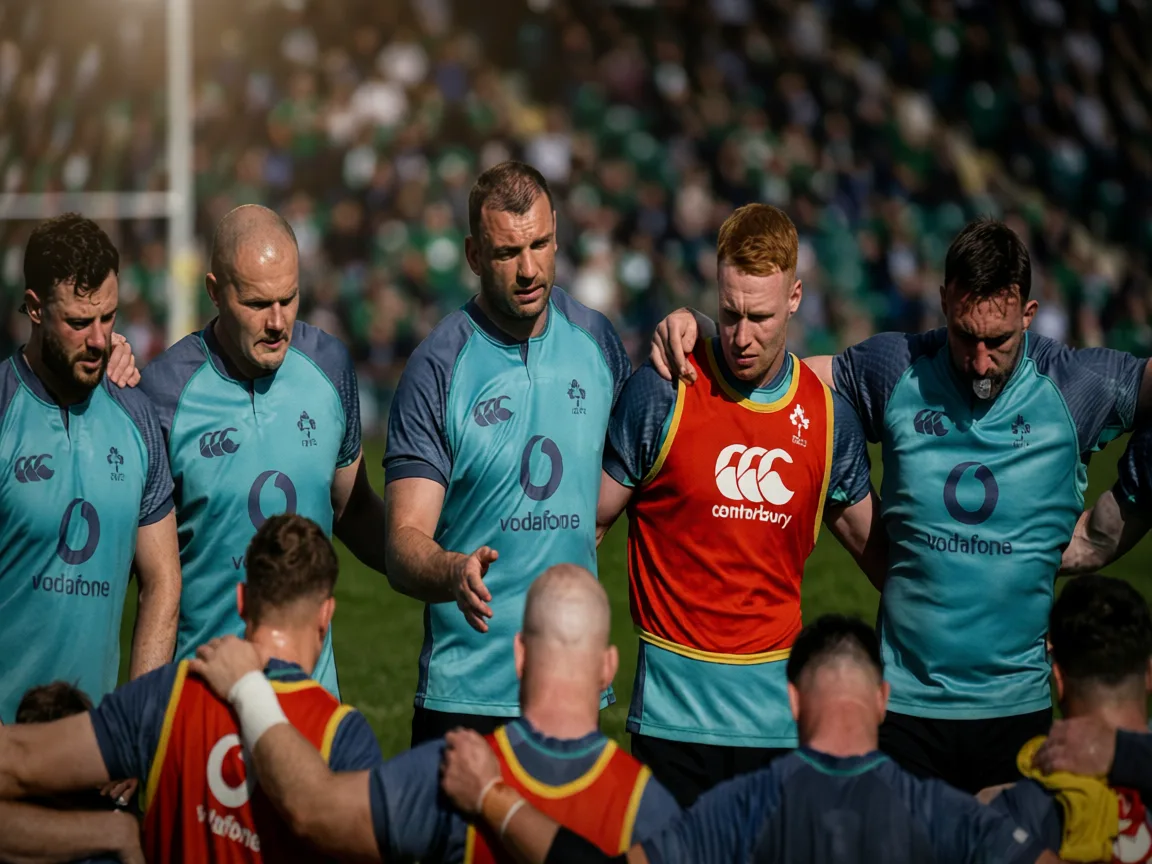
Beirne Channels Ireland Extra-Time Firepower Into Japan Standoff
Tadhg Beirne prepares to captain Ireland against Japan, demanding high-tempo rugby in a first-time leadership role
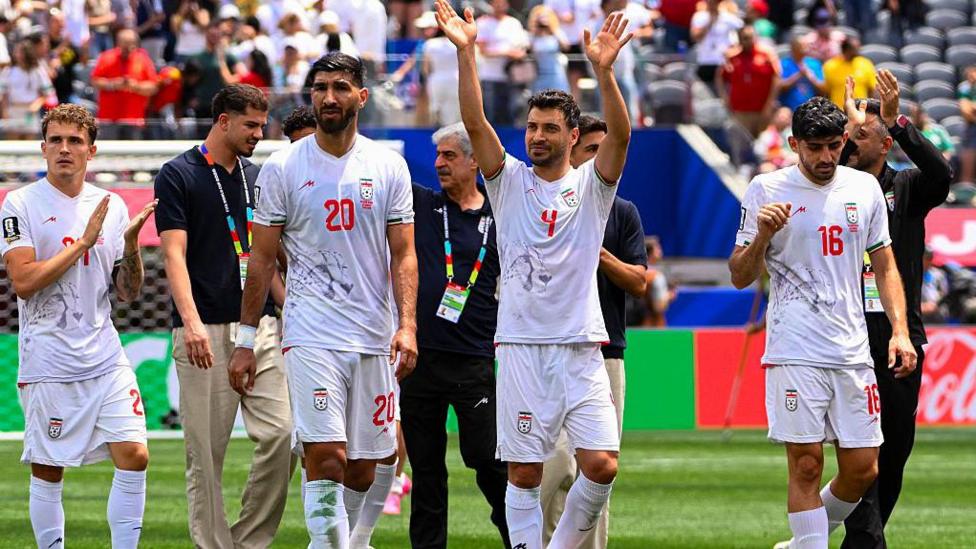
Ghalenoei's Iran: Unbeaten, Unbowed, and Underrated
Iran's unbeaten World Cup run under Ghalenoei is a masterclass in tactical discipline overcoming institutional chaos.