The 48-Team World Cup Forced Football Into Tactical Anarchy
Expanding to 48 teams didn't just reshape the World Cup's structure; it fundamentally rewrote the tactical calculus of international football.
The expansion of the FIFA World Cup to 48 teams was always going to be a logistical and sporting gamble. Yet, beyond the political maneuvering and the commercial windfall, the true impact of this enlarged format was felt on the grass. The tournament did not merely widen the gate; it fundamentally rewrote the tactical calculus of international football, forcing traditional powerhouses to confront a new brand of tactical anarchy.
Historically, the group stage of a 32-team World Cup was a filtering exercise for the elite. The top seeds could navigate the opening three matches on autopilot, securing progression while rotating key personnel and conserving energy for the knockout rounds. The chasm in technical quality meant that favored nations could rely on their superior individual talent to bypass the need for intricate tactical adjustments. That era is over.
The Death of the(smaller Group)
The shift to 12 groups of four meant that only the top two from each group advanced directly, while eight of the best third-placed teams also squeezed through. This created a bizarre mathematical landscape where a single defeat no longer guaranteed elimination, but a single draw against a lower-seeded opponent could prove fatal depending on parallel results. The tactical response from managers was immediate and paranoid. coaches across Europe's elite club circuits, accustomed to high-pressing, high-line systems, suddenly found themselves managing international teams devoid of a consistent pressing structure.
Without the runway of a full preseason to drill relentless ** gegenpressing** triggers, national team coaches defaulted to conservative mid-block structures. The fear of transitional exposure against athletic,Counter-attacking underdogs was paramount. The result was a group phase characterized by extreme tactical caution. We saw a proliferation of 4-2-3-1 and 4-3-3 formations dropping their wingers deep to form flat 4-4-2 defensive blocks out of possession.
Space Utilization and the Underdog Blueprint
For the so-called minnows, the expanded format provided something previously rare at a World Cup: the freedom to fail. Teams arriving with no expectation of lifting the trophyapproached their matches with an aggressive, front-foot tactical plan. We witnessed lower-ranked nations executing highly sophisticated man-to-man pressing schemes, sacrificing their defensive shell to suffocate the build-up phases of superior opponents.
This inverted the traditional hierarchy. Historically, weaker teams defended deep and hoped for a set-piece miracle. In the expanded arena, they pressed high and forced turnovers in the opponent's half. The data reflected this shift. Balls recovered in the final third were up significantly from previous editions, as underdogs realized that the elite nations, lacking the chemistry of a club side, struggled to play through coordinated traps. The center-backs of elite European nations, so comfortable playing progressive passes against domestic pressing, routinely turned the ball over under the chaotic pressure of a group-stage outsider.
The Pivot To Pragmatic Control
As the tournament progressed beyond the expanded group phase,into a round of 32, the tactical narrative fractured. The knockout stage, bloated by the inclusion of third-placed teams, introduced matchups that would historically belong to continental qualifiers rather than global showcases. This forced the remaining elite coaches to pivot from cautious group management to pragmatic control.
The inability to rely on the tournament's traditional rhythm proved decisive. Teams that typically peak in the quarter-finals found themselves in physically draining, emotionally charged encounters a full round earlier than anticipated. The tactical adjustment was to prioritize ball retention not as a creative weapon, but as a defensive shield. Possession statistics spiked, but expected goals (xG) plateaued. Coaches instructed their playmakers to circulate the ball horizontally, starving the underdogs of the transitional moments theycraved.
Tactical Shift: The Kevin De Bruyne Dilemma
The defining tactical quandary of the tournament was how to deploy elite creators within a compromised structure. systems that thrive on verticality and risk became a liability when a single mistake could send an underdog through on goal. The most notable example of this conflict was the midfield axis of teams attempting to integrate their star playmakers within a deep double pivot.
The tension between attack and defense was resolved differently by each coach. Those who maintained a staggered 4-3-3 with a single defensive destroyer and a deep-lying playmaker risked being overloaded in the wide areas. Coaches who transitioned to a 3-4-2-1 formation utilized wingbacks to stretch the pitch, creating space for twin attacking midfielders to operate in the pockets. The teams that advanced furthest were not necessarily the most talented, but the ones that clearly defined their rest-defence structure.
A team's rest-defence became the most critical metric of the tournament. When a side lost possession in the opponent's final third, the positioning of the remaining players had to prevent an immediate counter. Because the underdog pressing schemes were so aggressive, elite teams that committed too many bodies forward without numerical security behind the ball were consistently punished. The sides that succeeded with the 3-4-2-1 used the two advanced midfielders as the first line of defense, delaying the opponent's transition while the back three and wingbacks recovered.
The Third-Placed Survival Lottery
The introduction of the best third-placed teams into the knockout bracket created a tactical anomaly that skewed the latter stages of the competition. Teams knew, based onPoints accumulated elsewhere, whether a draw or even a narrow defeat would suffice to progress. This led to matches where both sides played with zero intention of winning, instead calculating their path based on mathematical probabilities.
"We didn't come here to play chess with the mathematics of the tournament. We came to win matches, but the format forces your hand. You must manage your tournament position, not just the game in front of you." — A national team coach reflecting on the group stage.
The format allowed well-organized,deep-defending teams to squeak through the group stage with three draws, instantly elevating them into the knockout phase where their defensive discipline became an asset. This contrasted sharply with expansive teams that won one game heavily and lost two narrowly, totalling the same three points but missing out on the tiebreaker mathematics. The tactical lesson was clear in a 48-team World Cup, defensive stability over a long duration beats offensive explosiveness in short bursts.
The Legacy of the Expanded Format
Looking back at the biggest men's World Cup ever, the tactical legacy is one of structural pragmatism overriding individual expression. The expanded format did not produce more goals or more attacking flair. Instead, it forced a generation of coaches to rediscover the art of the dark arts of tactical fouling, deep defensive blocks, and rapid, vertical counters. The lesson of this tournament will echo through the next cycle of international football management. The era of nations coming to the World Cup to simply survive and enjoy the occasion is over. They now arrive with a tactical plan designed to exploit the specific vulnerabilities of a disjointed opponent.
This tournament proved that tactical systems rooted in aggressive transitions can bridge the gap in technical quality. The 48-team World Cup did not dilute the quality of the football; it recalibrated how football is played on the global stage. The next competitive cycle will see elite teams arriving with a greater emphasis on rest-defence, pressing triggers, and contingency planning. The arrogance of relying on superior individual talent is dead. In its place stands a more cynical, more calculated, and ultimately more unpredictable international football landscape.
The upcoming European Championship will serve as the immediate testing ground for these lessons. Coaches will have to decide whether to revert to the high-pressing orthodoxy of club football or retain the pragmatic, mid-block approach that defined this World Cup. How they integrate their star creators into a system that protects against transitional chaos will dictate the next era of international success.
What Comes Next
The expanded format proved that athoughtful, organized mid-ranked team can frustrate and dismantle a superior opponent if given the platform to do so. The tournament also exposed the limitations of elite central defenders who, while comfortable against domestic pressing, lack the responsiveness to deal with international unpredictability.
As nations prepare for the next World Cup cycle, the recruitment of national team coaches will shift. The focus will move away from managers who excel at managing superstar egos, toward tacticians proficient in organizing defensive structures and exploiting transitions. The international game is no longer a procession for the elite. It is a tactical battleground where pragmatism is king. The blueprint has been set, and the competitive landscape will never be the same.
Editorial Integrity
This is an original SportPulse article written by our editorial team. All content is independently researched, written, and reviewed by our writers and editors before publication. We do not publish copied, aggregated, or syndicated content.
SportPulse is committed to original sports journalism. Read our editorial policy or contact us with any questions.
More Like This
All football
Spaceship Stadiums, $5 Water and a Nation Falling in Love
America's first World Cup week delivered spectacle, sticker shock, and a sporting culture shift no poll could predict.

England Shatter Lord's Record to Break Indian Hearts
England posted the highest ODI total in Lord's history to beat India by 27 runs and clinch a dramatic 2-1 series win.
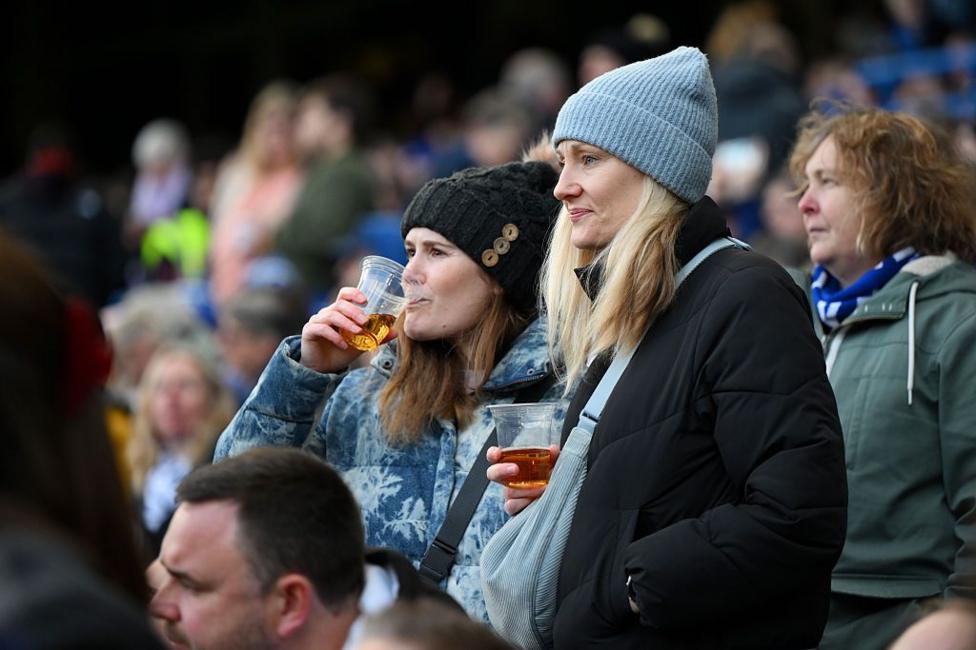
WSL Green-Lights Alcohol in Stands Next Season
The Women's Super League will allow alcohol in stands from next season, breaking decades of English football prohibition.