Tandragee 100 Claims James Walsh: Road Racing Reckons With Itself Again
Another Saturday of petrol andion courage ends in grief as Irish rider James Walsh loses his life at the Tandragee 100.
A Saturday That Started Like Any Other
The village of Tandragee, County Armagh, wakes up early on race day. The smell of two-stroke fuel cuts through the damp Irish air long before the first engineFire. Hedges aretrimmed back, bunting is hung, and locals park their cars along stone walls to catch a glimpse of the extraordinary.
It is a ritual repeated every May. The Tandragee 100 is one of the most revered events on the Irish road racing calendar, a 9.2-mile circuit threading through narrow country roads, blind crests, and unforgiving stone walls. For the riders, it is a test of nerve, precision, and shouted prayers whispered inside helmets at 160mph.
Last Saturday started like every other Tandragee Saturday. It ended with the death of James Walsh, a Republic of Ireland rider whose name is now etched into the sport's long, sorrowful roll call.
The Man Behind the Number
Road racing is not a Factory of superstars with PR handlers and filtered Instagram lives. It is a community of obsessives, people who hold down ordinary jobs during the week and transform into visored gladiators on weekends. James Walsh was one of them.
He was not a household name beyond the paddocks of Irish racing. He did not have multinational sponsorship deals or a fleet of mechanics. What he had was a passion for the sport that defines the Irish racing community, a love for the throttle, and the respect of his peers.
"He was a roads man through and through. There are riders who race for glory, and there are riders who race because it's the only thing that makes sense to them. James was the latter."
In the close-knit world of Irish road racing, everyone knows everyone. Mechanics double as mechanics, rival riders share chips at the same food stalls, and the difference between tragedy and triumph is measured in millimeters of throttle and fractions of a second. Walsh was part of that fabric.
The Reality of the Discipline
To understand road racing, you must first understand what it is not. It is not MotoGP. There are no expansive gravel traps, no asphalt run-off areas painted in sponsor logos, no airfence barriers installed at every braking zone. Road racing is exactly what it sounds like: motorcycles racing on closed public roads.
The Tandragee 100 circuit uses the roads around the village, tight and winding with their everyday hazards—potholes patched for race weekend, telegraph poles wrapped in straw bales, junctions marked with hay..it is a discipline that demands total commitment from riders and total acceptance of risk.
- 9.2 miles of closed public roads
- Average speeds exceeding 120mph
- More than 60 corners per lap, many blind
- Zero run-off area on most of the circuit
Every rider who straps on a helmet at Tandragee knows this. They sign the entry form understanding what the worst-case scenario looks like. That knowledge does not make the moment it arrives any easier.
The Crash and Its Aftermath
Details of the incident remain sparse, as they always do in the immediate aftermath of a fatal racing accident. Race organizers red-flagged the session, medical teams responded, and the heavy machinery of formal investigation began to turn.
Walsh was treated at the scene before being pronounced dead. The race was abandoned. In the paddock, mechanics draped bikes in covers. Families called loved ones. The silence that descended on Tandragee was deafening.
"Road racing is a family. When one of us falls, we all feel it. Today the family lost a brother."
Tandragee 100 Clerk of the Course issued a brief statement expressing condolences to the Walsh family and confirming the suspension of the event. The Racing organization confirmed the fatality late on Saturday evening.
A Sport That Keeps Reckoning With Itself
Every time a rider dies on a road course, the same debate reignites. It is a debate that feels particularly pointed in Ireland, where road racing is not a fringe activity but a cultural pillar. Events like the Tandragee 100, the North West 200, and the sport's.MustCompile, the Isle of the Man TT, draw tens of thousands of spectators and are broadcast to millions more.
Critics argue that no sport can justify mortality as an accepted cost of participation. They point to the increasing speeds of modern machines, the razor-thin margins of contemporary racing, and the impossibility of making closed public roads safe enough to prevent tragedy.
Supporters counter that the riders are adults who make an informed choice. They argue that road racing is a deeply personal expression of freedom and courage, a tradition that cannot be legislated out of existence without destroying something essential about the communities that produce it.
Both sides are right. And that contradiction sits at the heart of every fatality the sport endures.
"You can make road racing safer. You cannever make it safe. Riders know that. It doesn't make the silence in the paddock any less crushing."
The Toll and the Tradition
The number of riders who have died on Irish road courses is not symbolic. It is a genuine ethical question. Since 2000, more than 30 riders have lost their lives at Irish national and international road races. Each name represents a family, a community of friends, a hole in a paddock that never quite fills.
James Walsh's death follows a pattern all too familiar to those who follow the sport. The initial shock. The tributes. The calls for review and safety improvements. The gradual return to normalcy. The next race weekend. And eventually, inevitably, the next name.
It is a cycle that road racing has never broken, perhaps because it is unbreakable. The only way to eliminate the fatalities would be to eliminate the sport itself, and no one in the road racing community is prepared to countenance that.
Transfer Intel: The Business of Road Racing
Unlike top-tier motorsport, road racing operates on razor-thin margins. Most riders fund their own campaigns, cobbling together sponsorship from local businesses and personal savings. The economics are brutal.
- A competitive Superbike campaign at Irish national level can cost £50,000-£80,000 per season
- Prize money often fails to cover fuel and tire costs
- Medical and insurance provisions vary wildly between events
- The Tandragee 100 relies heavily on volunteer marshals and local fundraising
This financial reality means that riders like Walsh race not for money, but for something harder to quantify. It also means that the safety infrastructure improvements that could reduce risk—improved barriers, better medical coverage, circuit modifications—are often limited byBudget. The sport's inherent danger is not just a philosophical issue but an economic one.
What Happens Nextsummer
The immediate future is predictable. An investigation into the crash will be conducted by the relevant authorities. Race organizers will review procedures and safety protocols. There may be changes to the circuit layout, to session scheduling, or to rider briefing requirements.
But the Tandragee 100 will run again. It always does.
The harder question is what the sport's long-term trajectory looks like. As motorcycles get faster, as riders push boundaries that were unimaginable a generation ago, the margins shrink. Road racing's ancestors who raced the first Tandragee 100 in 1957 would scarcely recognize the machines and speeds of today.
The community will mourn James Walsh as it has mourned so many before him. There will be black armbands, moments of silence, and a race win dedicated to his memory somewhere next weekend. Then the engines will start, and the noise will drown out the grief, as it always does.
Road racing survives because it must. The people inside it know no other way to live. James Walsh knew that better than most. He chose the throttle, the risk, the road. He paid the price. The rest of the world can only watch and remember.
"We race because we have to. The road takes what it takes. We grieve and we go again."
That is the unspoken pact between road racing and everyone who touches it. It is the darkest, most honest contract in all of sport.
Editorial Integrity
This is an original SportPulse article written by our editorial team. All content is independently researched, written, and reviewed by our writers and editors before publication. We do not publish copied, aggregated, or syndicated content.
SportPulse is committed to original sports journalism. Read our editorial policy or contact us with any questions.
More Like This
All long-reads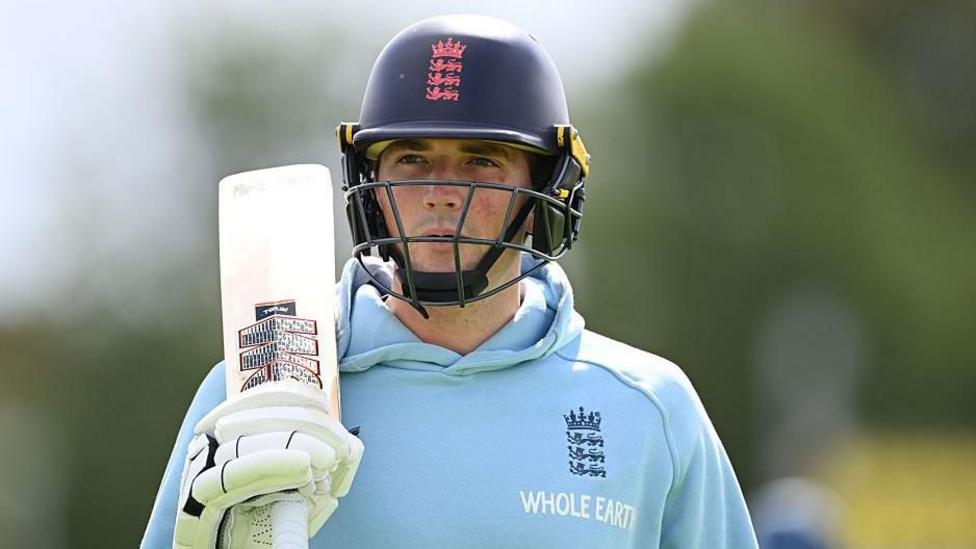
Uncapped Coles Reward as England Reset T20 Vision
Sussex's James Coles gets the shock T20 call-up for England's India series, signaling a bold new white-ball direction.
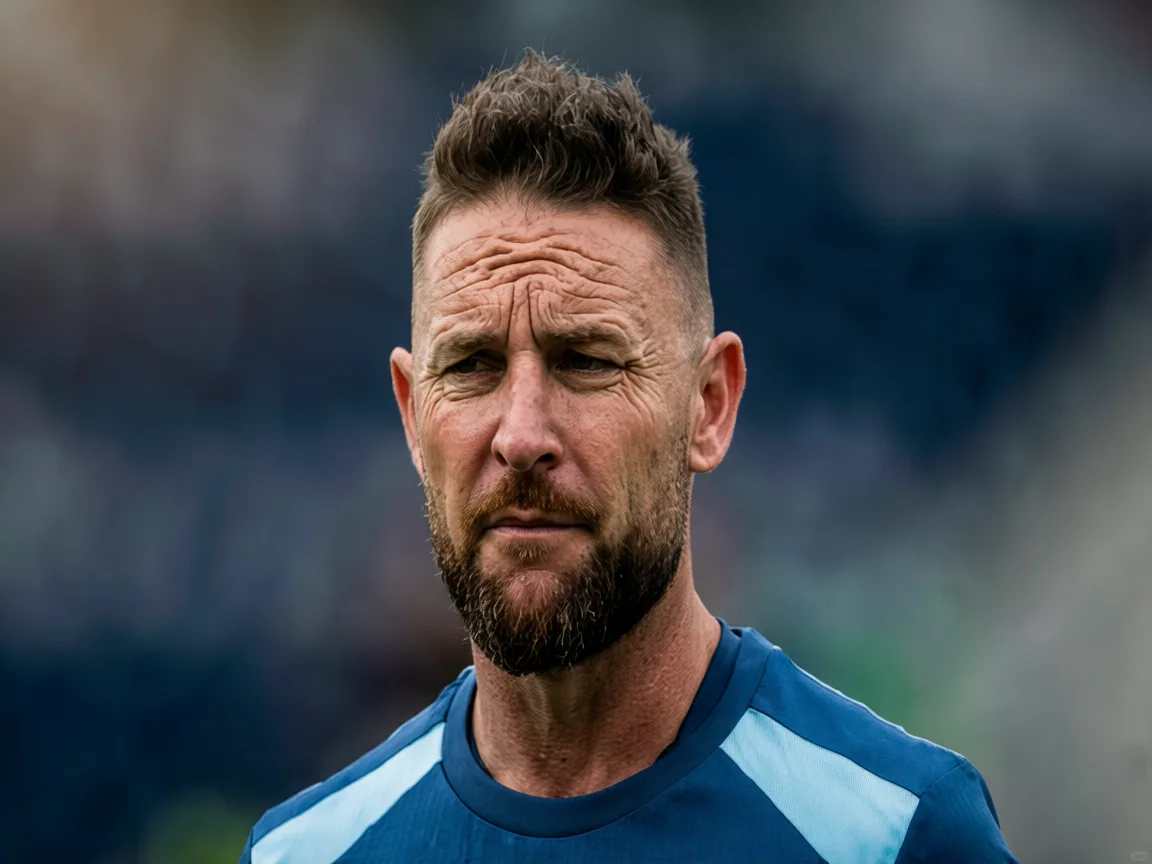
McCullum Sacked: England's Test Cricket Faces Total Leadership Vacuum
Brendon McCullum's departure after four years leaves England without a Test head coach or captain heading into a critical period.
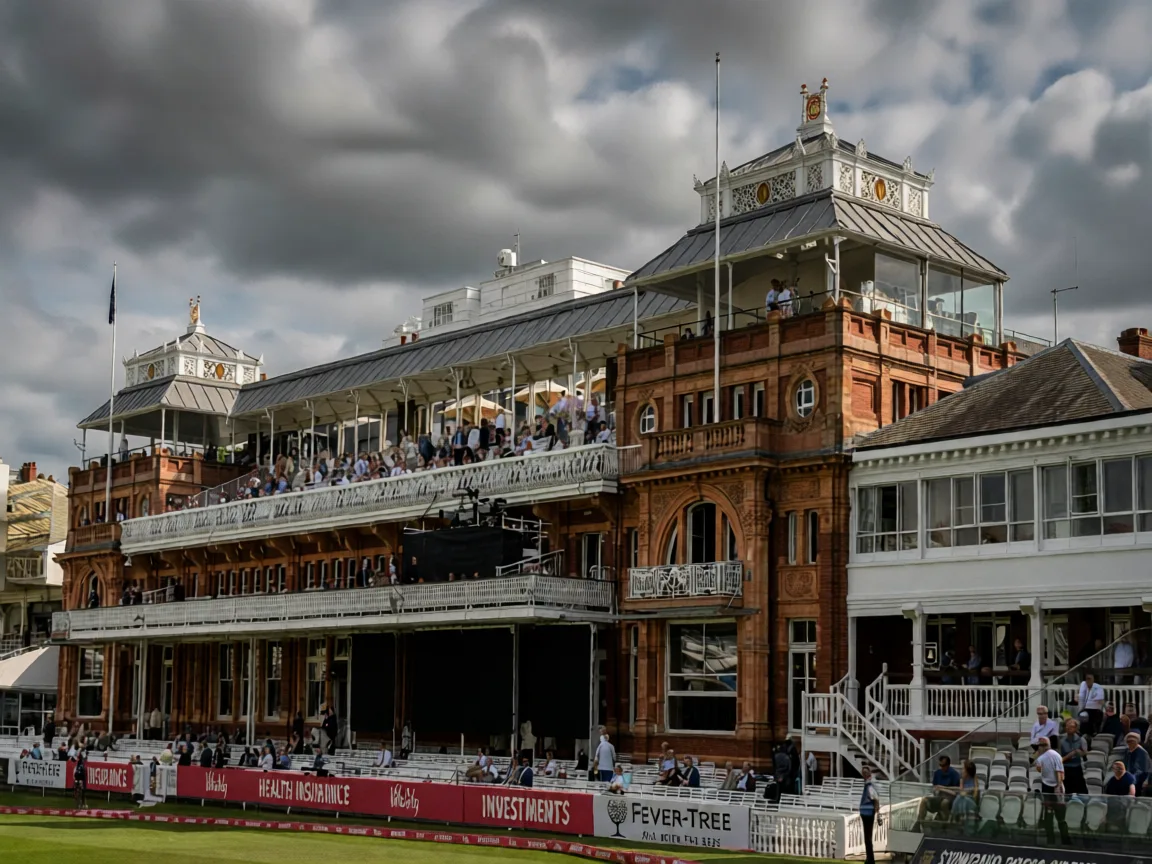
ECB Blocks Lord's European T20 Final: A Shortsighted Power Play
The ECB is blocking Lord's from hosting a European T20 final, prioritizing control over the global growth of cricket.