Tartan Army Takes America: Scotland Fans Winning Hearts at World Cup 2026
The Tartan Army's charm offensive across America has become one of the World Cup's best storylines off the pitch.
The Love Affair No One Saw Coming
Another city. Another ballpark converted into a football cathedral. Another standing ovation for the visiting fans in blue. The Tartan Army has arrived in America for the 2026 FIFA World Cup, and they are stealing the show before a ball is even kicked.
From Miami to New York, the travelling Scottish support has turned streets into impromptu ceilidhs. The warmth locals have shown Scotland's fans during this tournament burns hotter than the Florida sun, and it is becoming the defining off-pitch story of the tournament's early days.
This is not a new phenomenon. The Tartan Army has been charming host cities since Argentina 1978, when a wave of kilted supporters descended on South America armed with optimism and questionable tactical faith. But 2026 feels different. This World Cup, co-hosted across the United States, Mexico, and Canada, is the biggest in history with 48 teams and 104 matches. Scotland's return to football's grandest stage after a 28-year absence has made the reunion sweeter than anyone back home dared imagine.
A Wait That Tested Generations
Scotland last appeared at a World Cup in France 1998. A generation has been born, raised, and graduated university since Craig Burley scored against Norway in Bordeaux. The drought has been a source of genuine heartache for a football nation that once held the record for consecutive World Cup appearances.
Qualification for 2026 came through a gruelling UEFA campaign that tested every ounce of Steve Clarke's tactical discipline. Billy Gilmour, the midfield metronome who became a fan favourite during his time at Brighton and Chelsea, has been central to that revival. His ability to dictate tempo from deep, spraying passes with the calm precision of a man who learned his craft under Thomas Tuchel and Roberto De Zerbi, gives Scotland a spine that previous tournament squads simply lacked.
Gilmour's inclusion in the title of this piece is no accident. He is the talisman, the heartbeat. But the real story of Scotland's World Cup return stretches far beyond the pitch.
Food, Football, and Cultural Diplomacy
Walk through any World Cup fan zone where Scotland are playing and you will find something extraordinary happening. Local food vendors are learning Scottish slang. American kids are wearing Tartan Army scarves. Bars are serving Irn-Bru alongside Budweiser.
The mince and tattie hot dog referenced in coverage of the Miami fan zone captures this cultural fusion perfectly. It is a Scottish staple reimagined for an American palate, a culinary handshake between two nations who share more in common than either typically admits.
Scotland's supporters have a reputation that precedes them. FIFA's own fan engagement surveys consistently rank the Tartan Army among the best-supported and best-behaved travelling fanbases in world football. At Euro 2024 in Germany, Scottish fans were awarded a fair play prize by German police after their group-stage exit, with officers in Munich and Stuttgart publicly thanking supporters for their conduct.
That reputation is currency at a World Cup hosted in America, where the relationship between football supporters and local communities can be tense. The Tartan Army is earning goodwill that transcends sport.
The Clarke Revolution on the Touchline
While the fans conquer hearts off the pitch, Steve Clarke is engineering something equally impressive on it. The former West Brom assistant and Kilmarnock manager has built Scotland into a team that no major nation wants to face.
His system is built on defensive solidity and ruthless transitions. Scotland's back three, typically marshalled by Grant Hanley and Scott McKenna, compresses space aggressively. Wing-backs push high and early. The midfield triangle, with Gilmour anchoring and John McGinn and Ryan Christie providing energy ahead of him, is compact enough to suffocate possession-heavy opponents.
The numbers from qualifying told the story. Scotland conceded just 6 goals in 10 qualifying matches, the fewest of any European qualifier. Their expected goals against per 90 sat at 0.68, a figure that ranked alongside France and Portugal.
"We know what we are. We are not going to pretend to be something we are not. We are organised, we are together, and we are very, very hard to beat." — Steve Clarke during qualifying
That pragmatism is Clarke's greatest asset and his most polarising quality. Critics accuse him of being too conservative. Supporters point to the scoreboard.
Inside the Dressing Room
There is a scene that has been described by multiple journalists embedded with the Scotland camp that captures the atmosphere perfectly. After arriving in Miami for the group stage, the players gathered in the hotel lobby to watch supporters streaming down Ocean Drive in kilts and face paint. McGinn, never one to miss a moment, filmed the procession on his phone and posted it with a single caption: "These lot are mental."
The camaraderie within the squad is genuine, not manufactured. Gilmour and McGinn share a dry, deadpan humour that sets the tone. Clarke, for all his tactical seriousness, encourages a relaxed environment around matchday preparation. Music blares in the dressing room. Card games are played on long coach journeys.
But the moment the team sheet is pinned to the board, the energy shifts. Players have described a palpable intensity that Clarke demands. No shortcuts. No passengers. Every tackle contested. Every second ball won.
What It Means
Scotland's World Cup adventure is bigger than results. It is a 28-year absence corrected. It is a nation reconnecting with a sport that forms its cultural identity. And it is a fanbase proving, once again, that football's soul lives in the stands.
If Clarke's side can escape the group, it would be Scotland's first knockout appearance at a World Cup in their history. That is the prize. That is why tens of thousands of fans crossed an ocean, traded haggis for hot dogs, and brought the party to America.
The Tartan Army does not do quiet. They do not do subtle. And right now, they are doing what they do best: reminding the world that football is nothing without the people who love it.
Editorial Integrity
This is an original SportPulse article written by our editorial team. All content is independently researched, written, and reviewed by our writers and editors before publication. We do not publish copied, aggregated, or syndicated content.
SportPulse is committed to original sports journalism. Read our editorial policy or contact us with any questions.
More Like This
All football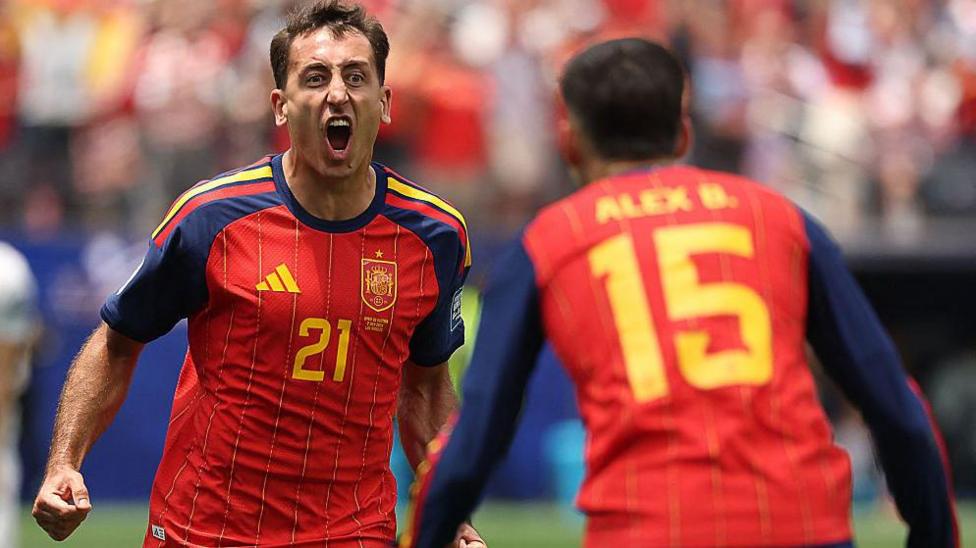
Oyarzabal: The One-Club Man Quietly Becoming Spain's Most Important Player
While bigger names grab the spotlight, Real Sociedad's loyal captain has been Spain's most decisive figure at the World Cup.

Volpato Flips From Italy to Australia — and Heals a 20-Year Wound
Cristian Volpato's Socceroos defection is poetic justice for a nation still haunted by 2006.
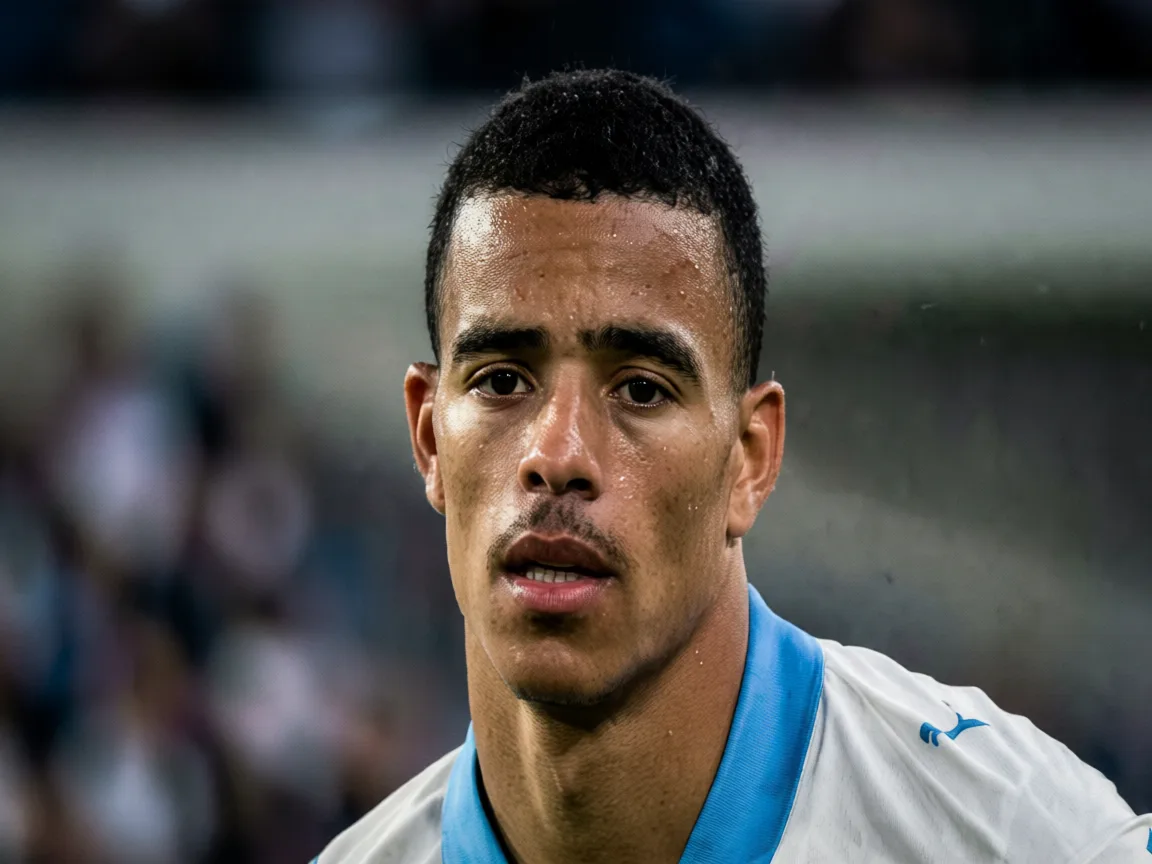
Greenwood to Fenerbahce: Mourinho's Next Tactical Reconfiguration
Mourinho targets Greenwood to rewire Fenerbahce's attacking structure with inverted winger profiles and positional asymmetry.