The Dink Serves Up Tennis Snobbery vs. Pickleball in a Slapstick Comedy
Jake Johnson's new sports comedy mines laughs from the simmering rivalry between tennis purists and pickleball's rise.
Jake Johnson produces, directs, and stars in The Dink as Dusty, a middle-aged tennis lifer delusionally nicknamed "The Hammer." Dusty's early promise curdled long ago into coaching duties at the club his father owns. Johnson's script, built from affection for the sport's snobbiest instincts, frames pickleball not as a fun alternative but as a threat to everything Dusty believes tennis represents.
Dusty once lost to a teenage Andy Roddick and never recovered
The backstory is brutally efficient. Dusty showed real talent, enough to earn a match against a young Andy Roddick, who appears in a cameo playing himself. That encounter ended in humiliation, and Dusty has been processing the trauma ever since by clinging to the title "The Hammer" and treating pickleball players with open contempt.
Ed Harris plays Dusty's father, the club owner, a man whose withering disappointment in his son forms the film's emotional spine. Harris reportedly delivers each scene as if scowling at a second serve that drifted long, a man who expected better and got Dusty. The father-son dynamic gives the comedy something to push against beyond the surface-level sport rivalry.
The club grudgingly allocates one of its courts for pickleball, a concession Dusty treats as a personal affront. The mini-court becomes a physical symbol of tennis's shrinking real estate, both literal and cultural. Johnson's script understands that the comedy lives in the gap between how seriously Dusty takes the situation and how little anyone else cares.
Pickleball threatens tennis by being easier to pick up
The film's central joke, and its sharpest observation, is that pickleball threatens tennis not by outcompeting it but by being easier to learn, easier on the joints, and growing at a pace that has made country clubs across the United States scramble to convert courts. The Dink takes that tension and cranks it up to farce.
Dusty's meet-cute with Candace, played by Mary Steenburgen, arrives through a court dispute: a tennis purist and a pickleball enthusiast forced into proximity. Steenburgen reportedly brings warmth to a role that could easily have been a cartoonish foil, and the film uses their dynamic to explore whether identity built on sport loyalty is worth defending or just exhausting.
The comedy serves up material about gatekeeping in recreational sports, the kind of behaviour familiar to anyone who has witnessed a tennis member tutting at a beginner's grip or a pickleball group commandeering a backcourt. Johnson plays Dusty with enough self-awareness to make the delusion watchable: he knows he peaked as a teenager, but admitting it would mean the nickname means nothing.
Roddick's cameo signals the film knows its audience
Roddick's appearance as himself, the teenage version who crushed Dusty's dreams, grounds the film in real tennis history. It's a clever piece of casting that signals to the tennis audience the film understands the sport's culture, even as it mocks the most extreme expressions of it. The former world No. 1's willingness to play the antagonist in Dusty's origin story suggests a sense of humour about the game's tribal instincts.
Dusty's coaching style, his insistence on proper form, his horror at the sight of a paddle, all of it comes from a place of genuine love for the sport. The comedy works because the audience recognises the type: someone who cannot accept that the game they devoted their life to is no longer the centre of the recreational universe.
36 million U.S. players give the film its stakes
Pickleball now claims over 36 million participants in the United States alone, a number that has forced tennis federations and private clubs to reckon with changing demographics and court availability. The Dink fictionalises a tension playing out in boardrooms and community centres across the country.
Johnson's comedy captures how people talk about the games they love and the games they refuse to take seriously. For tennis fans, the film reflects back the snobbery that the sport's culture has always tolerated and occasionally celebrated.
The film leans into silliness over sophistication, and that's the right call for a movie about a man called The Hammer who coaches tennis at his dad's club while raging against wiffle balls.
Editorial Integrity
This is an original SportPulse article written by our editorial team. All content is independently researched, written, and reviewed by our writers and editors before publication. We do not publish copied, aggregated, or syndicated content.
SportPulse is committed to original sports journalism. Read our editorial policy or contact us with any questions.
More Like This
All tennis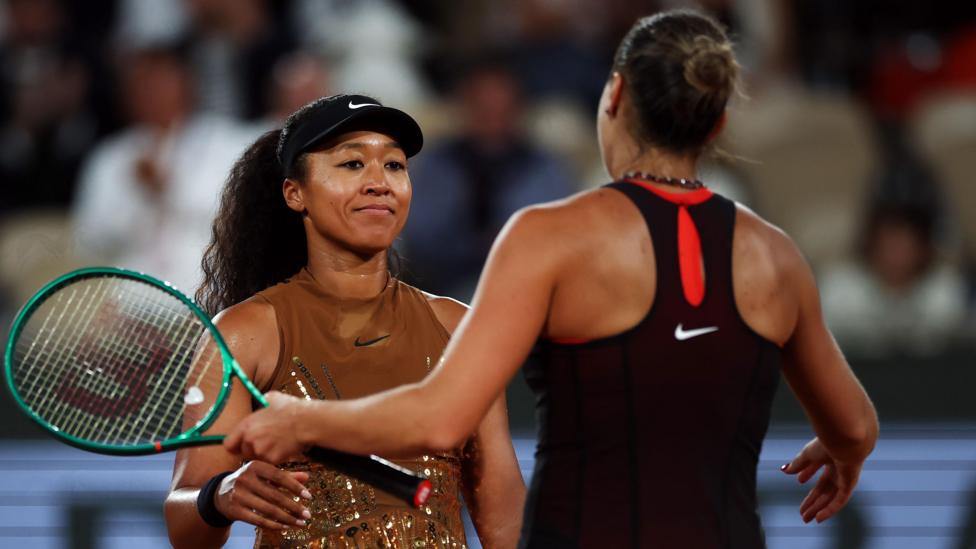
Sabalenka vs Osaka Shatters the French Open Night Session Glass Ceiling
An 87-minute thriller between Aryna Sabalenka and Naomi Osaka finally gave Roland Garros the X-factor its controversial night sessions have been missing.

When the Net Gets Personal: How Tennis Love Triangles Reshape Careers
Off-court entanglements between players carry real consequences for rankings, form, and the locker room dynamic.
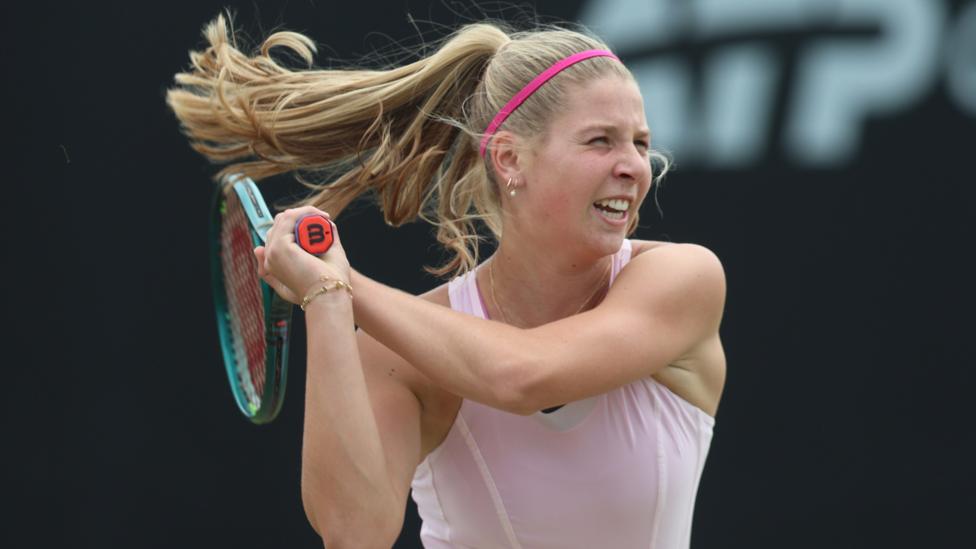
Hannah Klugman's Nottingham Exit Masks a Brighter Reality
A second-round exit in Nottingham undersells the transformation Hannah Klugman felt after sharing courts with the world's elite.