Tobi Lawal's Vow: Live in the Gym, Earn a Place in the NBA
Britain's Tobi Lawal was drafted into the NBA. Now the real work begins to stay there.
A Phone Call Across the Atlantic
There is a moment every young basketball player dreams about but few ever experience. The phone rings. A voice on the other end tells you that your name is on a card, that a franchise in the most elite basketball league on the planet believes you belong. For Tobi Lawal, that moment arrived when he was selected in the NBA Draft, making him one of the rarest commodities in British sport: a homegrown talent chosen by the NBA.
His response was not champagne popping or social media theatrics. It was something far more revealing of the player he intends to become.
"I'm going to live in the gym."
Five words. No bravado. Just a promise to himself, spoken with the quiet intensity of someone who understands exactly how narrow the window is and how much ground remains to cover.
The Road Few British Players Have Walked
Britain has produced basketball players before. Luol Deng carved out a decorated 15-year NBA career, making two All-Star teams and earning over $150 million in career earnings. Ben Gordon, born in London, became a Sixth Man of the Year with the Chicago Bulls. Joel Freeland spent three seasons with the Portland Trail Blazers. OG Anunoby, born in London to Nigerian parents, won an NBA championship with the Toronto Raptors in 2019 and has since become one of the league's premier two-way forwards.
But these names remain exceptions, not a pipeline. British basketball has long struggled for visibility, funding, and institutional support. The domestic league, the British Basketball League, operates on a fraction of the budget of its European counterparts. Youth development infrastructure lags behind nations like Spain, France, and Serbia, where basketball academies feed directly into top-tier professional leagues and, eventually, the NBA.
For a British player to hear their name called on draft night is not just a personal triumph. It is a statement about what is possible when talent meets relentless individual determination in a system that does not always nurture it.
What "Living in the Gym" Really Means
Lawal's declaration is not casual athlete-speak. In the NBA ecosystem, getting drafted is a beginning, not an arrival. The margins between a roster spot and a two-way contract, between a two-way contract and a G League assignment, between a G League assignment and being out of the league entirely, are razor-thin.
Consider the mathematics of survival. Each NBA draft produces 60 selections across two rounds. Historically, a significant percentage of second-round picks never play a meaningful NBA game. Even first-round selections are not guaranteed long careers. The league churns through talent with a mercilessness that respects only production.
For an international player, particularly one coming from a basketball culture as nascent as Britain's, the adjustment is seismic. The physicality is different. The pace is different. The scouting reports are thicker, the game plans more sophisticated, the opponents more athletic than anything encountered at the collegiate or European level.
Living in the gym means understanding all of this and choosing to attack the gap rather than hope it closes on its own. It means arriving before the veterans, staying after the coaching staff leaves, studying film until the patterns blur, refining a jump shot until the release point is muscle memory rather than conscious thought.
The British Basketball Moment
Lawal's selection arrives at an interesting inflection point for British basketball. The sport has been growing steadily at the grassroots level. Participation numbers have climbed. The NBA itself has leaned into the UK market, staging regular-season games in London and investing in community programmes.
Yet the elite pathway remains underdeveloped. There is no British equivalent to the French INSEP academy or the Spanish cantera system that has produced generations of NBA-calibre talent. British players who harbour NBA ambitions typically must leave the country as teenagers, relocating to American high schools or prep schools, navigating a foreign education system while trying to attract the attention of college recruiters.
It is an expensive, disorienting, and lonely path. The fact that Lawal walked it and emerged with his name on an NBA draft card speaks to a resilience that no stat line can capture.
The Intangibles That Matter
What scouts and front offices look for in late picks and developmental prospects often goes beyond raw athleticism or shooting percentages. They look for coachability. They look for work ethic. They look for players who will not wilt when the initial euphoria of being drafted fades and the grinding reality of professional basketball sets in.
Lawal's words signal that he understands this calculus. The NBA is full of gifted athletes who washed out because they believed talent alone would sustain them. The players who last, who build careers that span a decade or more, are the ones who treat improvement as a daily discipline rather than an occasional ambition.
There is a lineage of players, from Manu Ginobili to Pascal Siakam to Jimmy Butler, who arrived in the NBA with questions about their ceiling and answered them through sheer, stubborn, methodical work. Lawal is not yet in their company. But the mentality he is describing is the same one they carried.
The Weight of a Flag
There is something quietly powerful about what Lawal represents beyond his own career. British basketball fans have waited a long time for a new torchbearer, someone who might inspire the next generation to pick up a basketball instead of a football.
Deng did this for an earlier generation. His story, arriving in the United States as a refugee from South Sudan via Egypt and Britain, then becoming an NBA star, was extraordinary. But that was 2004. The pipeline since then has been sporadic at best.
Lawal's draft selection, and his stated commitment to the grind, carries a weight that extends beyond personal ambition. Every young player in London, Manchester, Birmingham, and Bristol who watches basketball on a screen and wonders could that be me now has a fresh, tangible answer.
Maybe.
If you live in the gym.
What Comes Next
The immediate future for Lawal is not glamorous. It will be defined by Summer League performances, training camp battles, and the unglamorous work of proving he belongs on an NBA floor. He will likely face players with more experience, more polished skill sets, and more familiarity with the American game's speed and physicality.
His path to a roster spot will depend on identifying a role. Versatility is currency in the modern NBA. Players who can defend multiple positions, make open shots, and play within a system without demanding touches tend to find opportunities. Players who try to do too much, too quickly, tend to find themselves on the outside.
The coaches and front office personnel who drafted him saw something specific. A physical profile. A skill set. A competitive fire. Lawal's job now is to prove them right, day after day, rep after rep, in the quiet hours when nobody is watching and the only audience is the rim.
A Gym Somewhere in America
Picture it. Early morning. The lights flicker on in an empty practice facility. A basketball bounces against hardwood. The sound echoes off bare walls.
A young man from Britain, thousands of miles from home, is already there. Already working. Already living the promise he made to himself on the day his life changed.
The NBA does not owe Tobi Lawal anything. It never does. But if the work ethic matches the ambition, if the gym time translates to game time, if the hunger does not fade when the novelty does, then Britain may have found something it has not had in a long time.
A player worth believing in.
Not because of what he has done. Because of what he is willing to do.
Editorial Integrity
This is an original SportPulse article written by our editorial team. All content is independently researched, written, and reviewed by our writers and editors before publication. We do not publish copied, aggregated, or syndicated content.
SportPulse is committed to original sports journalism. Read our editorial policy or contact us with any questions.
More Like This
All basketball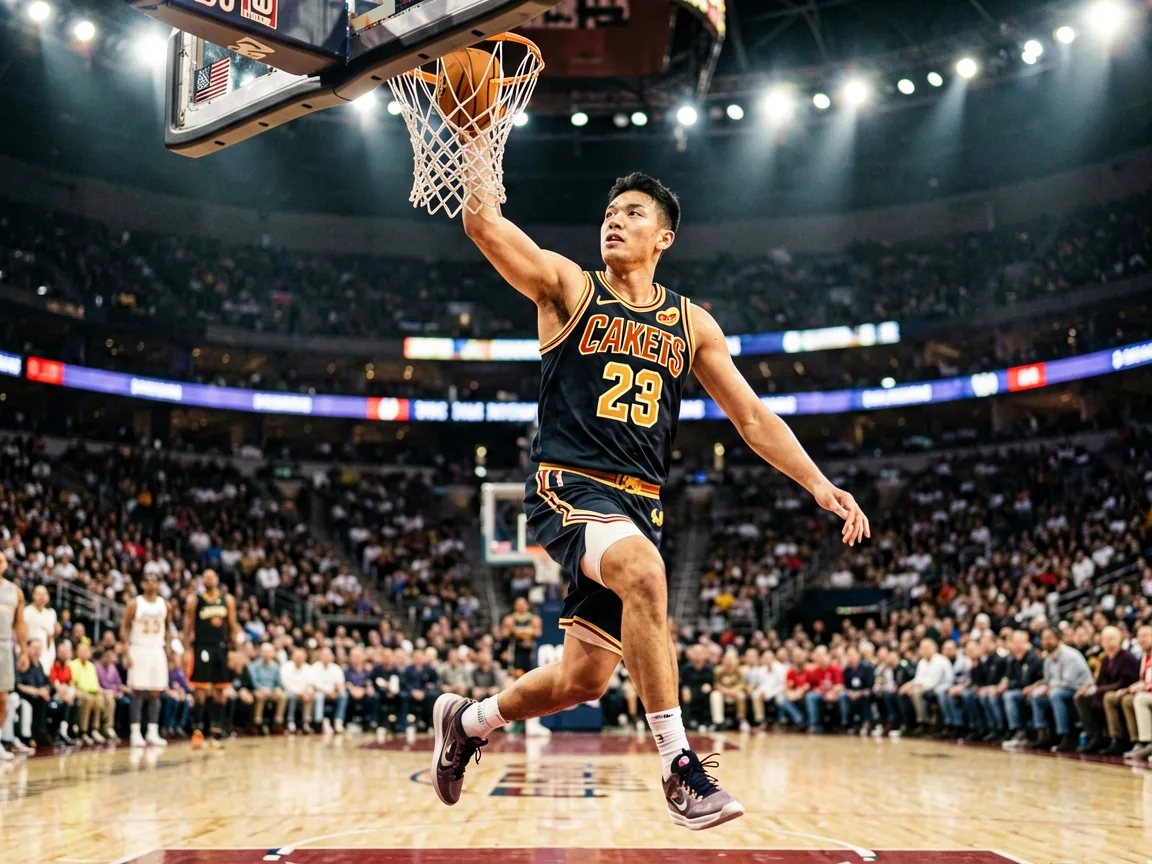
Mitchell's $273M Gamble: Cavs Go All-In on a Fragile Dynasty
Cleveland handed Donovan Mitchell $273M and a full trade kicker, betting a championship window survives the salary-cap crush coming in 2027.
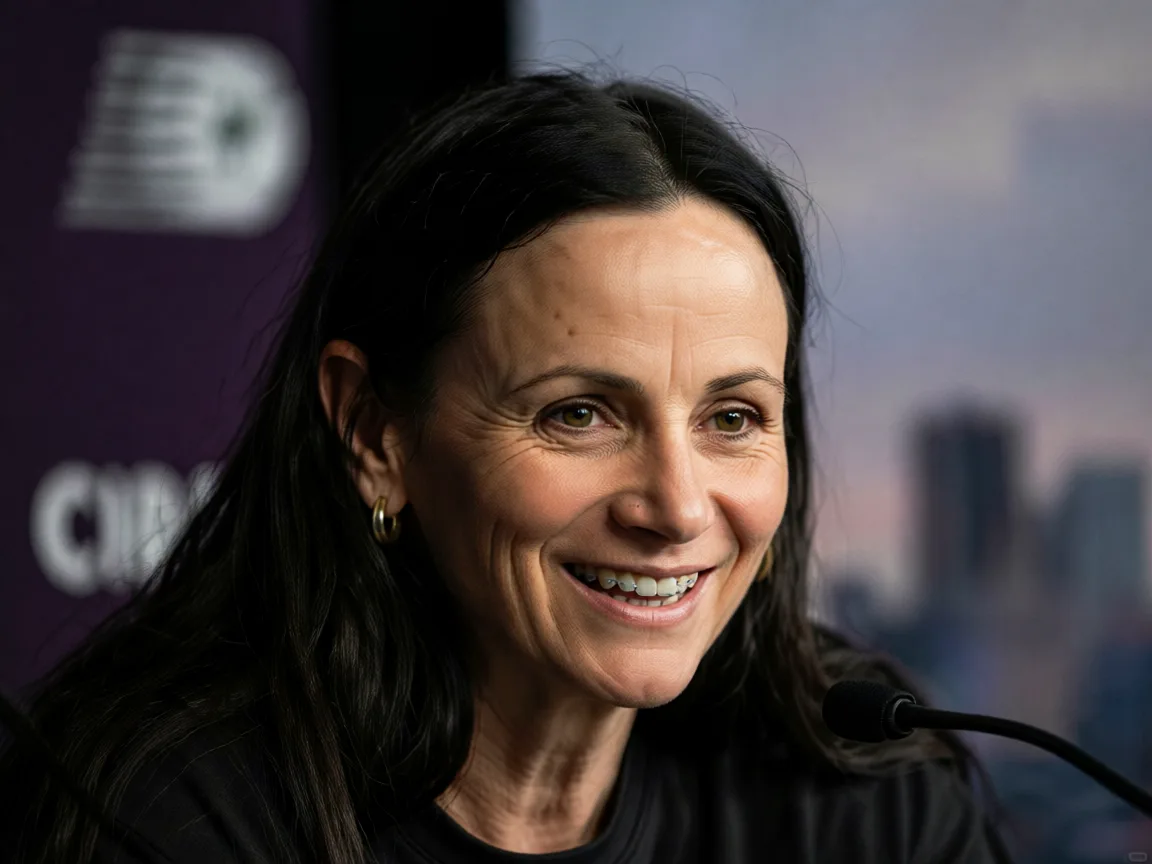
Brondello's 'Protected Species' Remark Earns One-Game Ban
Tempo coach Sandy Brondello's comment about Angel Reese exposes the fragile dynamic between veteran authority and rookie stardom.
The Reckoning: Ja Morant's Memphis Chapter Closes as Portland Rolls the Dice
Memphis parts with its franchise star for Jerami Grant and Kris Murray, betting on culture over chaos.