Tour de France Night Testing Raises Questions About Anti-Doping Protocol
Night-time anti-doping controls on the Tour de France's biggest names have sparked debate about testing methods and timing.
Night-time anti-doping controls have targeted high-profile riders at the Tour de France this year, prompting pushback from teams who argue the testing schedule cuts into recovery during the sport's most physically demanding race.
WADA and CADF protocols allow testers to arrive at any hour. Riders must keep their Whereabouts filings accurate and be available for unannounced visits around the clock. The rationale is well established: certain substances clear the body within narrow windows, and sleeping-hour checks reduce the opportunity for manipulation.
Sleep disruption across a three-week Grand Tour
The Tour's structure makes night testing a different proposition than an off-season visit. Riders face mountain stages, time trials, and flat sprints over three consecutive weeks. Deep sleep drives muscle repair and hormonal regulation in endurance athletes. A 2 a.m. hotel room visit, however justified, can break sleep cycles that teams spend significant resources optimizing.
Team managers and soigneurs have described cases where individual riders were woken multiple times during a single Grand Tour, building a cumulative deficit over the race. No specific incidents from this year's Tour have been made public, but the pattern of late-night calls to hotels and team buses has drawn complaints within the peloton.
Anti-doping credibility vs. competitive fairness
Cycling's doping history, from the 1998 Festina affair through the Lance Armstrong scandal that overhauled the sport's governance, means agencies operate under constant pressure to prove thoroughness. The Tour is the most visible stage in the sport. Testing top names during the race serves as both deterrent and public signal.
That pressure creates a contradiction the UCI and its anti-doping partners have not resolved. Controls must be unpredictable and frequent to hold credibility, but the same controls can affect competitive outcomes if riders start key stages on compromised sleep.
Riders have no meaningful way to push back in the moment. Compliance is mandatory; refusal counts as an anti-doping rule violation and can end a career. Rider unions have historically avoided public criticism of testing practices, wary of appearing to oppose clean sport.
No positives, but the debate continues
This year's night-testing wave has produced no public adverse analytical findings so far. That tracks with the broader trend in professional cycling, where biological passport monitoring and intelligence-led testing have largely replaced the era of mass positives.
The CADF and UCI have not commented publicly on the specific testing schedule at this year's Tour. Whether the complaints lead to any formal review of timing protocols is unknown.
Editorial Integrity
This is an original SportPulse article written by our editorial team. All content is independently researched, written, and reviewed by our writers and editors before publication. We do not publish copied, aggregated, or syndicated content.
SportPulse is committed to original sports journalism. Read our editorial policy or contact us with any questions.
More Like This
All long-reads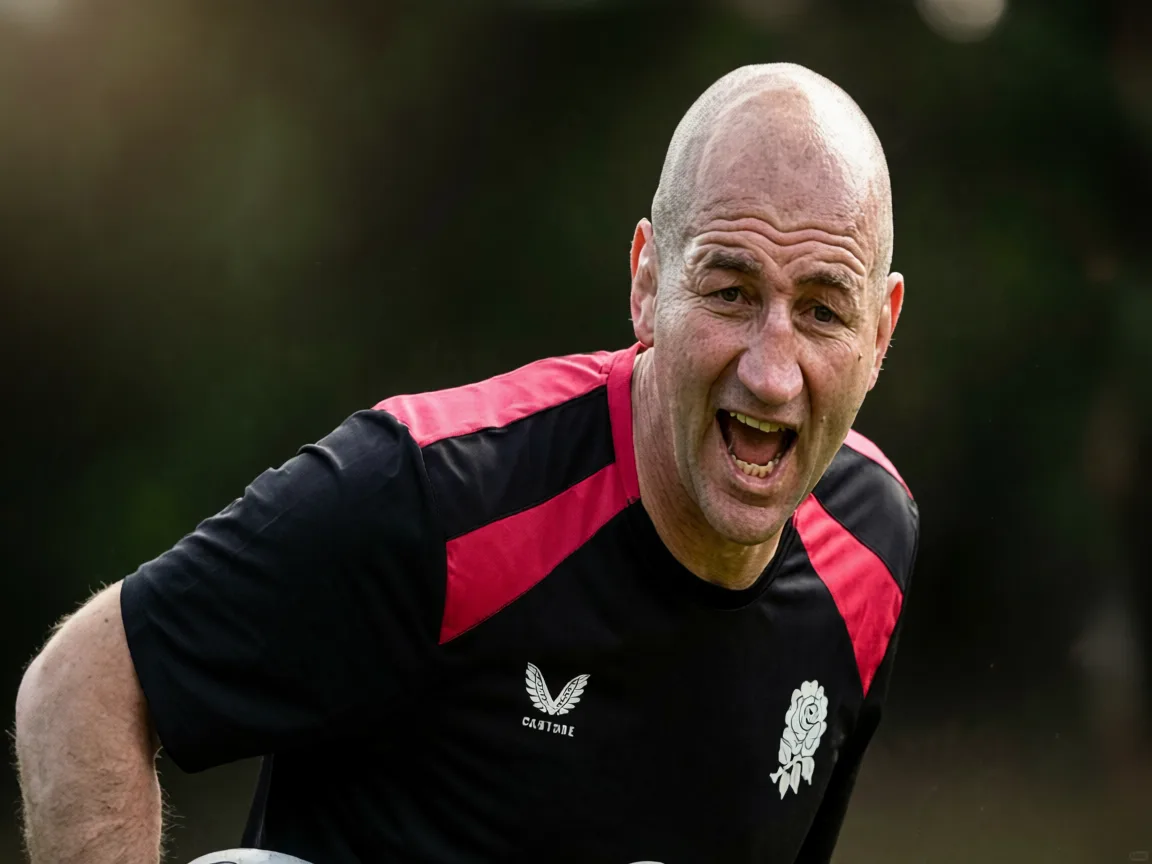
Borthwick's England Stuck Between Reset and Reckoning
Two years out from Australia 2027, Steve Borthwick's Nations Championship returns expose a side still searching for a definitive identity.
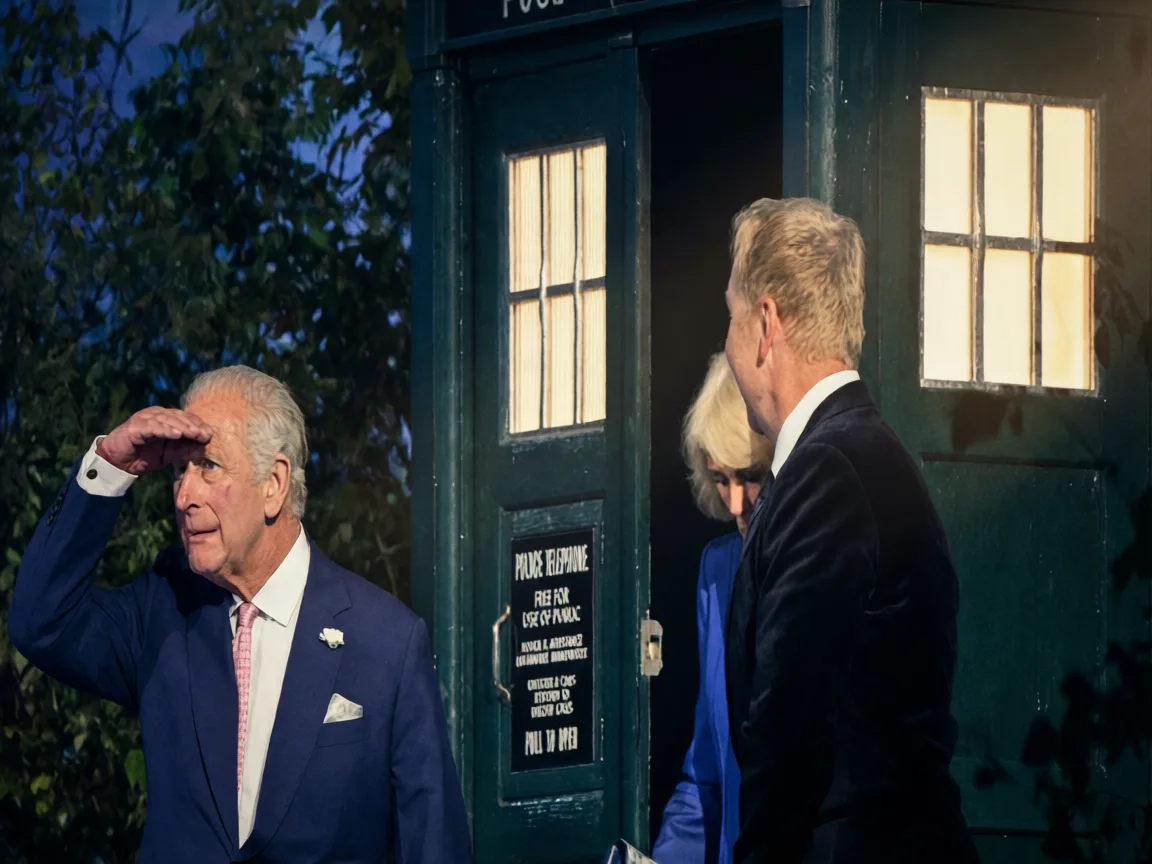
A monarch, a phone box, and a monster: Glasgow's opening ceremony flex
Glasgow's Commonwealth Games opener leaned into Scotland's strangest cultural exports rather than playing it straight.

US Soccer Abandoned Its Search for One Identity and Found Something Better
Decades of chasing a single playing style failed. Now, a chaotic patchwork of cultures has become American soccer's true strength.