Trafford's Leeds switch is a bid to unsettle Pickford's England grip
A big-money move to Elland Road gives James Trafford a new platform to challenge Jordan Pickford for England's number one shirt.
A goalkeeper's development never happens in isolation
The modern goalkeeper is not merely a shot-stopper who waits behind a defensive block and reacts. He is the first outfield player, the launchpad for build-up, the sweeper who compresses space behind a high line. James Trafford has understood this since his formative years in Manchester City's academy, where Ederson's boots cast a long shadow but also a clear blueprint. The question has never been whether Trafford possesses the technical and athletic tools to operate at the highest level. It has been whether the environment around him would sharpen those tools into something that genuinely threatens the established order.
His move to Leeds, described as a significant financial commitment by the club, is the clearest answer yet. Trafford is not settling for a comfortable role at a side content to sit deep and absorb. He is stepping into a project that demands exactly the profile he offers: comfort under pressure, progressive distribution, and the bravery to sweep behind an aggressive defensive line.
What Trafford brings that Leeds have lacked
Leeds' recent history has been defined by tactical upheaval. From Marcelo Bielsa's maniacal high press to the more measured approaches that followed, the club has cycled through identities. What has remained constant is the demand for a goalkeeper who can participate in the first phase of play rather than simply relieving pressure with a long clearance.
Trafford's data profile at Burnley, where he was first choice, showed a keeper willing to play short under duress and capable of switching play with accurate long distribution when the opposition committed numbers to the press. At 22, he is still refining the decision-making that separates a bold goalkeeper from a reckless one, but the foundation is unmistakably modern.
His shot-stopping has drawn particular attention. Trafford's frame, at 6ft 5in, gives him a commanding reach, but it is his footwork and low-diving mechanics that distinguish him from many tall keepers who struggle with shots at their near post. Leeds are investing in a keeper who can anchor their defensive structure for years, not just a short-term upgrade.
Pickford's position is entrenched, not unassailable
Jordan Pickford has held the England number one shirt with a grip that no rival has come close to loosening. His tournament pedigree is formidable: outstanding at the 2018 World Cup, decisive in penalty shootouts at Euro 2020 and Euro 2024, and consistently trusted by successive England managers when the stakes are highest.
Pickford's advantage is not merely experience. He thrives in the specific demands of international football: quick distribution to launch counters, sharp reflexes in one-on-one situations, and a temperament that tends to grow calmer rather than more erratic as pressure mounts. For any challenger, the bar is not set at club level. It is set at the penalty spot against Colombia, against Switzerland, against the moments where Pickford has already delivered.
That said, Pickford's club situation at Everton has not always provided the most stable platform. Everton's struggles, their defensive fragility, and the chaotic environment around Goodison Park have sometimes forced Pickford into a reactive posture that does not fully reflect his capabilities. Trafford, by contrast, now has the chance to build rhythm and confidence within a Leeds side that will likely dominate possession against most opponents.
The tactical calculus behind the move
Leeds' recruitment of Trafford signals a clear philosophical direction. Clubs do not commit significant resources to a young goalkeeper unless they are building a system that depends on what that goalkeeper uniquely provides. The investment suggests Leeds are planning for a back line that pushes high, compresses the pitch, and relies on the keeper to cover the space behind.
This is where Trafford's development becomes most interesting from a tactical standpoint. At Burnley, he operated behind a defence that was often deep and compact, particularly in the Premier League season where Vincent Kompany's side struggled to impose their style. Trafford's sweeper-keeping instincts were rarely tested in the way they will be at a club that expects to play on the front foot.
The transition is not without risk. A high defensive line exposes a goalkeeper to a different kind of pressure: isolated one-on-one situations, the need to read through balls early, and the composure to play out from the back when opponents press with two or three forwards. Trafford has shown he can handle these moments, but consistency at this level is earned over seasons, not matches.
What this means for England's goalkeeping picture
The broader question is whether regular, high-level club football in a system that suits his profile can accelerate Trafford into genuine contention for England's starting spot. The national team setup has historically rewarded form and familiarity in equal measure. Pickford's accumulated trust is a formidable barrier, but it is not permanent.
If Trafford establishes himself at Leeds as a commanding, progressive presence and delivers consistent performances, the pressure on the England coaching staff to integrate him more prominently will grow. International friendlies and Nations League group stages offer windows for assessment, but the real test comes in competitive qualifiers and tournament squads where every selection decision carries weight.
The next chapter depends on how quickly Trafford adapts to his new environment. Leeds open their campaign with fixtures that will immediately test whether the goalkeeper's integration into a more possession-heavy system is seamless or requires adjustment. For Pickford, the challenge is a familiar one: maintain the standard that has made him indispensable, even as a younger rival gains the platform to mount a credible threat.
Leeds' opening fixtures will set the tone
Early-season matches often reveal more about a new signing's integration than pre-season friendlies ever can. Trafford will face opponents who have studied his tendencies, who will press him deliberately, who will test whether the composure he showed at Burnley holds under the heightened expectations that accompany a big-money move.
The tactical relationship between Trafford and Leeds' centre-backs will be worth monitoring closely. How quickly they develop an understanding of when to play short, when to go long, and when the keeper should sweep behind the line will shape Leeds' defensive solidity in the opening weeks.
For England watchers, the subplot is straightforward. Trafford has the tools. He now has the platform. The question is whether he can turn potential into the kind of sustained, pressure-tested performance that forces a genuine selection dilemma rather than a theoretical one.
Editorial Integrity
This is an original SportPulse article written by our editorial team. All content is independently researched, written, and reviewed by our writers and editors before publication. We do not publish copied, aggregated, or syndicated content.
SportPulse is committed to original sports journalism. Read our editorial policy or contact us with any questions.
More Like This
All football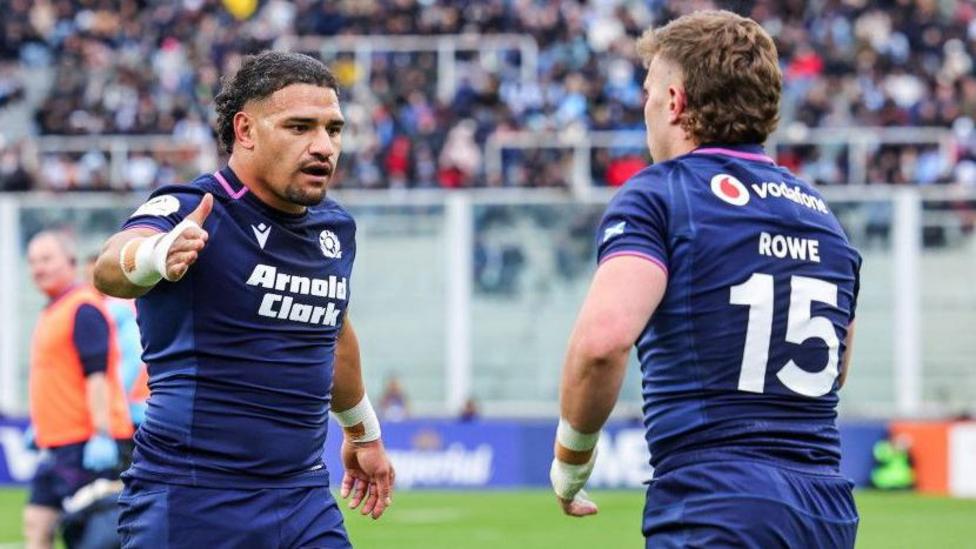
Scotland Outlast Pumas in 12-Try Cordoba Epic
Gregor Hiddleston's debut try headlines Scotland's 47-38 Nations Championship opener against Argentina in a points-frenzied contest.
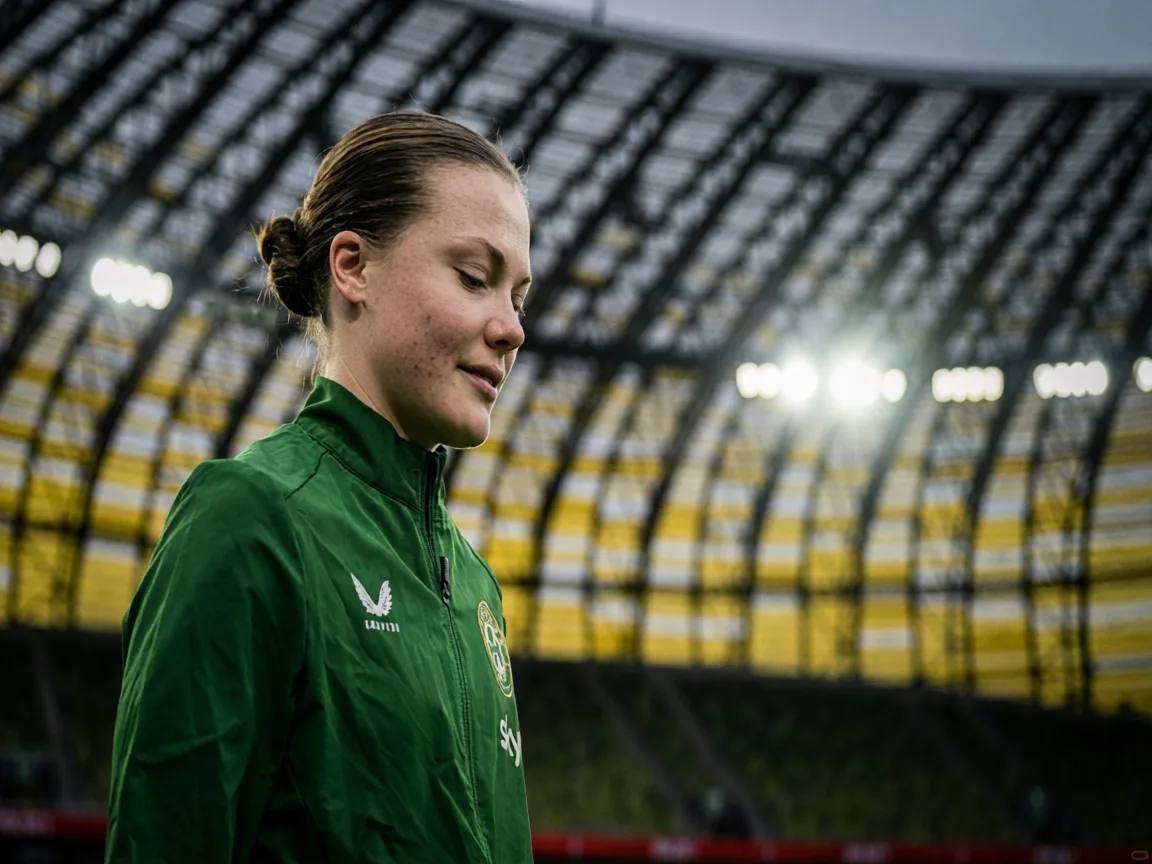
Murphy to Brighton: Quietly Smart Business in a Chaotic WSL
Emily Murphy's impending Brighton move from Newcastle is a low-budget, high-upside WSL signing that reveals both clubs' trajectories.

Ream's Calm Before the Knockout Storm: USMNT Enter Uncharted Waters
Tim Ream projects calm as the USMNT braces for a Round of 32 showdown with Bosnia and Herzegovina in the expanded World Cup.